



















Coby White trade chatter rises as Bulls guard closes in on franchise three-point record

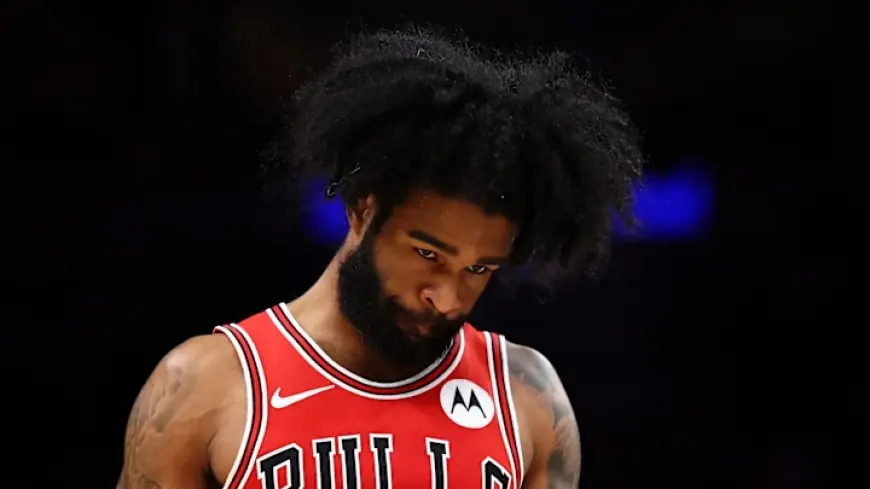
Coby White is turning the Chicago Bulls’ late-January surge into a referendum on their direction, with his scoring run, health management, and expiring contract converging just days before the NBA trade deadline. The 25-year-old guard has been a key driver of Chicago’s recent wins, but his name is increasingly linked to deadline conversations as front offices around the league look for shooting and secondary creation.
Chicago enters the final week before the deadline hovering around the middle of the Eastern Conference picture at 23-23, with the team trying to balance short-term momentum against long-term roster math.
A hot stretch and a historic climb from deep
White has been stacking efficient outings at the exact moment the Bulls need stability. Over the past week, he has repeatedly landed in the low-to-mid 20s in points while helping Chicago close tight games, including a pair of wins in which he scored 22 points and hit multiple threes. He followed that up with another strong scoring night against the Lakers, keeping his offensive rhythm intact even as defenses key on him more aggressively.
His three-point volume is now historic by Bulls standards. White recently moved into second place in franchise history in made three-pointers with 1,052, trailing only Zach LaVine’s 1,130. The milestone is less about the leaderboard and more about what it signals: White has become one of the organization’s most reliable long-range engines, and his spacing changes what Chicago can run late in games.
Key terms have not been disclosed publicly about whether Chicago views White’s record chase as part of its long-term identity-building, or as value it might capitalize on in a trade.
The contract clock and why his market is heating up
White is in the final year of his deal, making roughly $12.8 million, and that expiring number matters as much as his points per game. For buyers, an expiring contract can be attractive because it can be used to match salary in a trade and can create future cap flexibility. For sellers, it creates urgency: if you believe the player might leave in free agency, the deadline becomes the most practical moment to avoid losing the asset for nothing.
That tension is especially sharp for a team living near the play-in line. Keeping White can help win games now and preserve continuity for the locker room. Moving him could bring back draft capital or younger pieces that better match a different timeline, particularly if the front office is unsure it can retain him at the price he may command this summer.
Further specifics were not immediately available about Chicago’s internal decision points, including how the team is weighing a push for postseason positioning against the risk of an offseason departure.
How a deadline deal actually gets done in the NBA
An NBA trade is rarely as simple as “player for player.” Teams must satisfy salary-matching rules, manage roster spots, and stay within cap and tax constraints. That often turns a two-team conversation into a multi-team construction where one club supplies a contract for matching purposes, another supplies draft picks, and a third supplies a prospect.
Expiring contracts add a layer of complexity because the acquiring team must decide whether it’s renting a player for a few months or willing to pay market rate in the offseason. That calculus can shift quickly based on injuries, standings, and how aggressively contenders want to load up for April. It also explains why negotiations can go quiet for days and then move fast once a team decides it needs a specific skill set.
Health management and what it means for availability
White’s recent workload has been shaped by injury management, particularly around a calf issue that has led Chicago to be cautious with back-to-backs. That approach is common for guards who rely heavily on burst, stop-start movement, and repeated changes of direction. The Bulls want his shooting and tempo, but they also need him fresh enough to sustain it beyond one good week.
The immediate question for Chicago isn’t just whether White can keep scoring, but whether his minutes and availability can be stabilized as the schedule compresses. That matters in the standings and in trade talks: contenders and fringe contenders alike want confidence that a potential acquisition will be ready to play.
Who feels the pressure most as February nears
The stakeholder impact is immediate for Bulls fans and season-ticket holders, who are watching a team finally string wins together while hearing growing noise about a core piece potentially moving. It also hits the locker room and coaching staff, who must keep players focused on game plans while rumors swirl. And it matters to rival front offices and scouting departments, who are tracking White not only as a shooter, but as a guard who can handle secondary playmaking duties in a playoff rotation.
For White himself, the timing is unavoidable. He’s chasing team history from three, trying to keep his body right, and playing into the most scrutinized week of the season for players on expiring deals.
The next verifiable milestone is the NBA trade deadline on Thursday, February 5, 2026, when Chicago must either commit to a playoff chase with Coby White in place or decide that his value is best realized in a deal before the window closes.