

























Economists Respond: BoC Holds Rates Amid Inflation Concerns, Potential Cuts

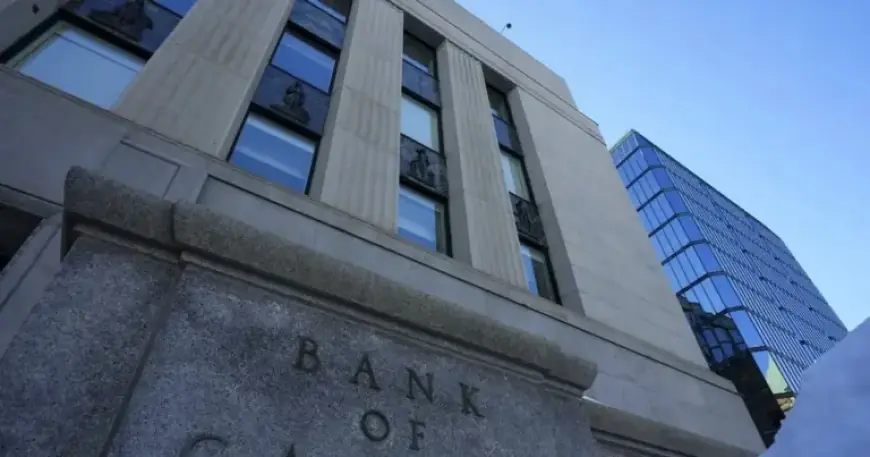
Amid ongoing inflation concerns, the Bank of Canada (BoC) recently decided to hold its key interest rate at 2.25%. This decision comes with uncertainty regarding the future of the economy, particularly in light of U.S. trade policies and geopolitical risks, according to economists.
Current Economic Outlook
Governor Tiff Macklem expressed expectations for modest economic growth in 2023. While the decision to maintain rates was anticipated, a notable shift in communication signals increased caution from the bank. Royce Mendes, managing director at Desjardins Group, highlighted this shift, indicating a more dovish tone regarding economic forecasts.
Potential Rate Cuts
Economists suggest that in the event of an economic shock, the BoC might have to consider cutting rates. Earl Davis from BMO Global Asset Management commented on this possibility, noting that while Canada’s economy is primarily export-driven, the thriving U.S. economy could provide some support.
- Canada’s economic growth is heavily reliant on exports.
- The U.S. economy is currently outperforming Canada.
- Rate cuts could stimulate exports but may also exacerbate inflationary pressures.
Inflation and Interest Rates
Concerns over inflation persist, with Davis warning that further rate cuts could lead to increased costs for goods and imports. He noted that Canada is above the target inflation rate, making further diminutions in rates a delicate balancing act. “We’re not in a recession, yet inflation remains a concern,” said Davis.
Understanding Structural Adjustments
Tiff Macklem emphasized the need to keep inflation near the two percent target while navigating what he referred to as a period of “structural adjustment.” According to Davis, despite lowering interest rates, job impacts remain minimal due to a lack of significant infrastructure projects currently underway.
Business Confidence and Growth Prospects
Despite recent challenges, such as rising unemployment rates at 6.8% and stalled GDP growth in Q4 2022, Davis maintains a cautiously optimistic outlook for Canada’s economic future. He highlighted the importance of investment in the nation’s commodity-driven sectors for long-term growth.
- Businesses are grappling with the complexities of the CUSMA deal.
- Investment in infrastructure and mining is crucial for enhancing GDP.
- Long-term recovery strategies will take time to materialize.
In summary, the Bank of Canada remains vigilant regarding inflation while grappling with potential rate adjustments. Understanding the balance between fostering economic growth and managing inflation will be vital for Canada’s financial future.