






















Jacob Frey Faces Federal Showdown as Minneapolis Pushes Back on Immigration Crackdown

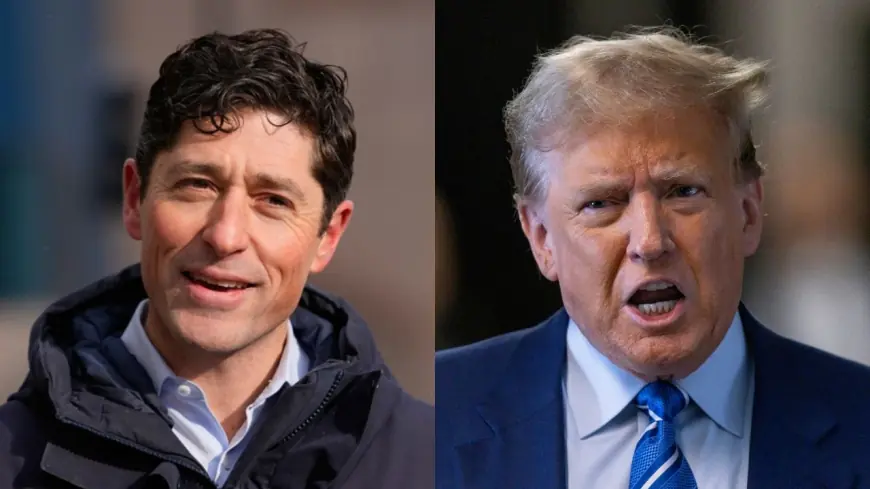
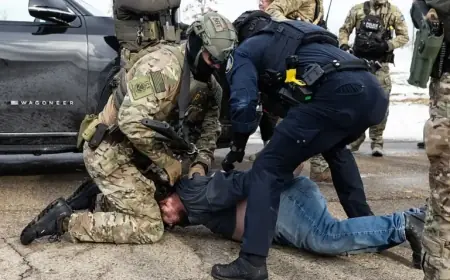
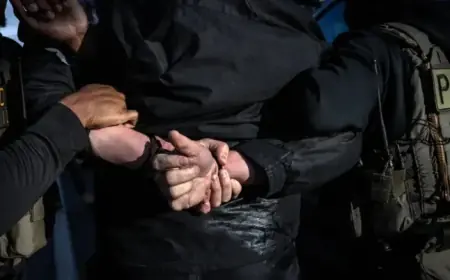
Jacob Frey is confronting one of the defining tests of his third term as Minneapolis becomes a flashpoint in the national fight over immigration enforcement. Over the past three weeks, the mayor has demanded that federal immigration agents leave the city, warned that their presence is destabilizing public safety, and pressed for an end to Operation Metro Surge after a series of street confrontations and fatal shootings involving federal agents.
The clash is now playing out on multiple fronts at once: in public messaging between city leaders and Washington, in day-to-day policing decisions about how Minneapolis handles protests and crowd control, and in legal and political pressure building around federal tactics.
A third term opens with Operation Metro Surge and rising tensions
Frey began his new term in early January just as Minneapolis entered an unusually volatile stretch. On Jan. 7, after a shooting near 34th Street and Portland Avenue involving a federal agent, the city issued a statement saying the presence of federal immigration enforcement was “causing chaos” and making the community less safe, with Frey calling for ICE to leave immediately.
That demand set the tone for the weeks that followed. Minneapolis has since seen repeated demonstrations and confrontations as federal operations continued, with public attention intensifying after two U.S. citizens were killed this month during incidents involving federal agents. City leaders have urged people to protest peacefully while also making clear that unlawful activity, including violence and property damage, will be met with enforcement.
Further specifics were not immediately available about the full sequence of events in every confrontation across the city as federal activity and protest response have shifted day to day.
Frey draws a line on enforcement and makes his case to Washington
At the core of Frey’s position is a bright line between local public safety and federal immigration work. He has argued that Minneapolis police are responsible for keeping residents safe and responding to crime, not enforcing federal immigration laws. In the mayor’s telling, that division is not just a policy preference, but a public safety necessity, especially in neighborhoods where community trust can collapse if residents fear that contacting local authorities could bring immigration consequences.
That stance has brought sharp criticism from the White House, including public warnings aimed directly at the mayor. Frey has responded by reiterating the same principle: the city will prioritize local policing responsibilities and resist being pulled into federal immigration enforcement.
This is how the system typically works in practice. Federal agencies are responsible for immigration enforcement, while cities and states decide how much they will cooperate with federal requests, such as providing information or holding people longer in custody. Some jurisdictions limit cooperation to preserve community trust and focus resources on local priorities. The friction often escalates when federal authorities seek broader assistance and local leaders refuse, because the disagreement is as much about control and accountability as it is about enforcement outcomes.
Some specifics have not been publicly clarified about how federal leaders will adjust operational tactics in Minneapolis in response to the city’s demands.
National Guard request highlights strain on staffing and street-level safety
As tensions grew, Minneapolis also took an unusual step: requesting state support to reinforce staffing around public safety needs. On Jan. 24, Frey formally asked Governor Tim Walz to deploy Minnesota National Guard personnel to help support local law enforcement resources, citing stretched capacity amid disruption tied to the presence of thousands of federal agents.
The city said Guard members would wear neon reflective vests to distinguish them from other agencies with similar uniforms and would remain close to Minneapolis police officers they were supporting. The request included help around the area near 26th Street and Nicollet Avenue, where a Minneapolis resident was fatally shot that morning by federal agents, and additional posts as needed. Police also implemented a temporary vehicle perimeter around the area between Franklin Avenue and 28th Street, from Pillsbury Avenue to Interstate 35W, allowing residential traffic but restricting other vehicles.
The move underscored a difficult reality of high-tension operations: even when federal actions are the spark, city governments still bear the immediate burden of crowd control, traffic planning, emergency response, and keeping daily life functioning.
Who is affected and what comes next
Two groups are feeling the consequences most directly: immigrant and refugee communities and the broader Minneapolis public navigating unrest and uncertainty. For immigrant families, the practical impact includes heightened fear of day-to-day movement and a reluctance to engage with institutions if they believe any contact could draw federal attention. For residents citywide, the impact shows up in street closures, disrupted transit corridors, heavier law enforcement presence, and the risk that protests turn unsafe.
A second set of stakeholders includes Minneapolis police, emergency responders, and neighborhood businesses. Officers and medics face operational strain and a higher chance of flashpoint incidents. Businesses near protest corridors can lose foot traffic, struggle with access restrictions, and face higher security costs during peaks of unrest.
The next verifiable milestone will come through formal government actions rather than social media exchanges: updated operational decisions from federal officials about the scope of Operation Metro Surge, any court hearings or filings tied to challenges to the operation, and the mayor’s next public safety briefing on how Minneapolis will manage demonstrations and staffing as conditions evolve.