




















Senate Democrats Issue Demands Amid Looming Government Shutdown Deadline

As the deadline for a government shutdown approaches, Senate Democrats have set forth a series of demands aimed at reforming immigration enforcement. This comes just days before funding is set to expire, intensifying urgency among legislators.
Senate Democrats Demand Immigration Reforms
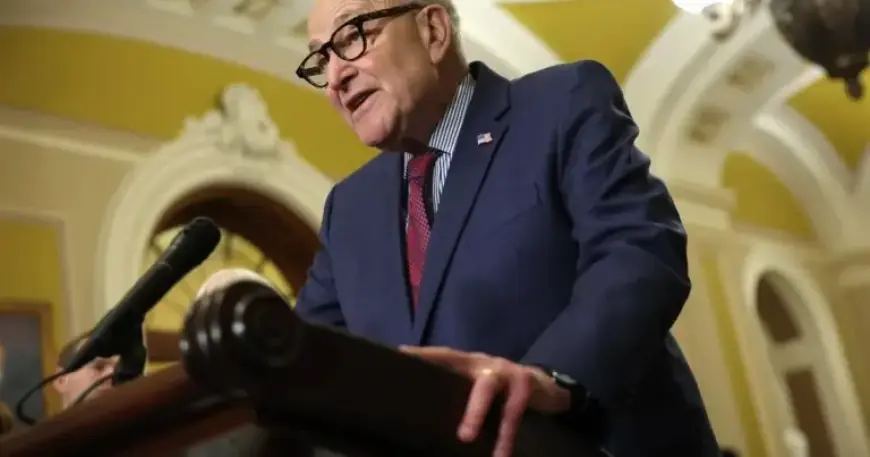
On Wednesday, Senator Chuck Schumer, the Senate Minority Leader, held a press conference where he emphasized the need for accountability in immigration enforcement. The Democrat caucus is proposing reforms as a condition for voting on government funding, particularly regarding the Department of Homeland Security (DHS).
Key Demands Outlined
- End roving patrols by Immigration and Customs Enforcement (ICE).
- Implement stricter rules governing warrant usage.
- Require collaboration between ICE and local law enforcement.
- Establish a uniform code of conduct for federal agents.
- Adopt a “masks off, body cameras on” policy.
These measures are in response to heightened scrutiny following the recent shooting of Alex Pretti in Minneapolis, which raised concerns about the ongoing immigration crackdown in Minnesota.
Implications for Government Funding
Currently, Congress has approved six out of twelve necessary funding measures. The remaining bills, which include funding for DHS, were sent from the House as a complete package. However, Democrats are pushing to separate the DHS funding from the broader funding initiative to allow for renegotiation.
Should amendments be made to the funding package, they will require approval from the House. With their return not scheduled until Monday, any modifications could be too late to prevent a government shutdown.
Negotiation Atmosphere
Senator Schumer expressed a willingness to engage in negotiations with Republican leaders over the proposed reforms. He stated that these reforms are in line with what Americans expect from law enforcement. In contrast, Republican leaders, such as Senate Majority Leader John Thune, suggest that reforms should be addressed through executive orders rather than legislative changes.
Both parties recognize the risks associated with a government shutdown, emphasizing the need for dialogue to resolve these critical issues before the funding deadline.