

















Kid Rock Tells Congress: Live Nation-Ticketmaster Experiment Fails Fans and Artists


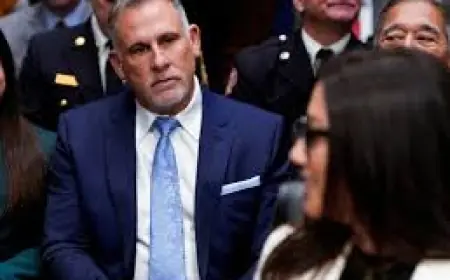
Kid Rock, born Robert Ritchie, recently testified before Congress regarding the issues surrounding concert ticketing. His testimony highlighted the escalating costs of tickets and the negative impact of corporate practices on fans and artists alike. The session, convened by U.S. Senator Marsha Blackburn of Tennessee, aimed to address the ticket sale practices of corporations like Live Nation and Ticketmaster.
Concerns About Ticket Prices and Corporate Influence
Ritchie has spent 25 years touring and believes he has a unique perspective. He stated, “I’m in a unique position to testify, because unlike most of my peers, I am beholden to no one.” He drew attention to the historical context of ticketing issues, recalling how the band Pearl Jam faced similar challenges 30 years ago. He warned that a merger between Live Nation and Ticketmaster, touted as beneficial, has failed to deliver on its promises.
- Ritchie asserted that the merger was supposed to enhance competition.
- He claimed it has instead harmed independent venues and diminished artist leverage.
- Fans are facing record-high ticket prices with no corresponding benefits to artists.
Proposed Solutions to Combat Ticketing Issues
Ritchie urged Congress to investigate the contracts between various stakeholders in the ticketing ecosystem. He suggested several reforms:
- Empowering artists with control over ticket sales.
- Implementing price caps on resale tickets to protect fans.
- Enforcing the Bots Act to penalize ticket-buying bots and bad actors.
He criticized lobbyists who obstruct meaningful reforms while maintaining profits in an open market. Ritchie emphasized that the ticketing industry’s economic foundation is eroding, with piracy and secondary ticketing practices exacerbating the crisis for artists and fans.
Legislative Measures on the Table
The Senate Commerce Committee recently approved the TICKET Act. This bipartisan legislation aims to improve transparency in ticket pricing. Key provisions include:
- Mandatory upfront display of total ticket prices, inclusive of all fees.
- A ban on speculative ticket sales.
- Clear disclosures on ticket ownership.
- Refund mandates for canceled events, enforced by the FTC.
Speculative ticketing allows resellers to list tickets they do not yet own, betting on future availability. The recent hearing included testimonies from industry professionals, such as Brian Berry from Ticket Policy Forum and David Weingarden from the Colorado Independent Venue Association.
Ongoing Legal Challenges for Live Nation and Ticketmaster
The discussions come amid significant legal scrutiny for Live Nation Entertainment, which has faced an antitrust lawsuit from the Department of Justice. This lawsuit contends that the company maintains an illegal monopoly in the ticketing market. Furthermore, in September, the FTC and seven states filed a lawsuit against the company, alleging deceptive pricing practices and illegal resale tactics.
Allegations include adding excessive fees and allowing brokers to circumvent purchase limits. It is estimated that these practices led to nearly $1 billion in fees over five years.
As this dialogue continues, the impact of these issues remains a focal point for both fans and artists in the live performance industry.