























Who is singing the national anthem at the Super Bowl? Super Bowl LVI’s choice signaled a bigger cultural moment

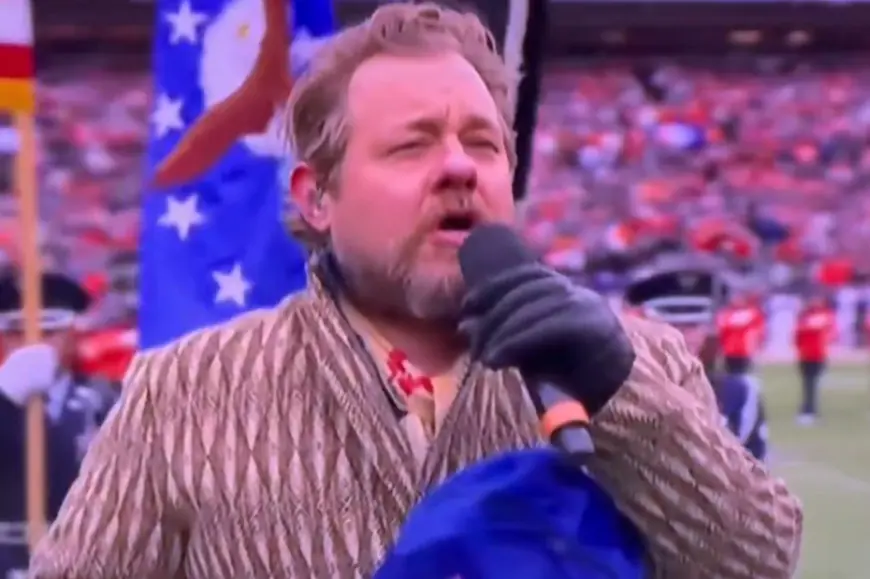
The question “who is singing the national anthem at the Super Bowl” tends to surge every year because the performance has become its own headline—part ceremony, part national stage, part instant social-media referendum. For Super Bowl LVI, the answer was clear and consequential: Mickey Guyton performed “The Star-Spangled Banner,” bringing a country powerhouse voice to the NFL’s biggest night and turning a pregame tradition into a moment with meaning beyond football.
Super Bowl anthem slots aren’t just bookings; they’re statements. They reflect what the league believes will resonate with a massive, diverse audience—and what it’s willing to spotlight at a time when every frame is scrutinized. In that context, Super Bowl LVI’s anthem performer carried symbolism as well as star power.
Why the Super Bowl LVI anthem choice mattered
By the time Super Bowl LVI arrived, the national anthem had evolved into a cultural barometer. The singer is expected to be technically flawless, emotionally controlled, and camera-ready under pressure that few live performers ever experience. But the selection also operates as a signal about genre, identity, and mainstream visibility.
Mickey Guyton’s appearance on that stage landed at the intersection of those expectations. She brought a modern country sound to a slot often dominated by pop and R&B voices, and she did it at a moment when country music discussions—about inclusion, gatekeeping, and who gets the biggest platforms—were especially loud. The NFL didn’t pick a “safe” background name; it picked a performer whose presence would be talked about before she sang a note.
That’s the hidden role of the Super Bowl anthem: it sets the tone for the entire broadcast. The performance is meant to unify, but it also inevitably reflects the culture it’s performed within.
The Super Bowl LVI details fans still search for
Super Bowl LVI took place at SoFi Stadium in Inglewood, California, on February 13, 2022, with the anthem positioned as the final pregame centerpiece before kickoff. In the build-up, the same questions showed up across search bars and living rooms: How long will it run? Will there be vocal flourishes? Will it lean classic or contemporary?
That fixation happens because anthem performances at the Super Bowl are judged differently than ordinary live appearances. The standard isn’t just “good”—it’s “iconic without being polarizing.” Hit the notes but don’t overshow. Add personality but don’t hijack the moment. Keep it moving but don’t rush. Few performances thread that needle without becoming a debate.
Guyton’s role at Super Bowl LVI also underscored another reality: the anthem is one of the few moments during the event that draws near-universal attention. Even casual viewers who tune out pregame analysis tend to tune in for the anthem, because it feels like the official “start.”
Micro Q&A: the fastest answers about Super Bowl LVI’s anthem
Who sang the national anthem at Super Bowl LVI?
Mickey Guyton.
Why do people ask “who is singing the national anthem at the Super Bowl” so often?
Because the slot is one of the most visible live music stages on TV—often remembered as vividly as the halftime show for certain viewers.
Is the Super Bowl anthem a bigger deal now than it used to be?
Yes. The performance now lives in replay clips, timing bets, reaction videos, and cultural commentary within minutes—raising both the stakes and the reach.
Super Bowl LVI’s anthem choice wasn’t only about vocal ability. It was about the NFL placing a spotlight where millions would inevitably look—then letting one voice carry a ceremony that’s supposed to feel larger than any single performer.