Could January 25, 2026, Mark the Worst US Flight Day?

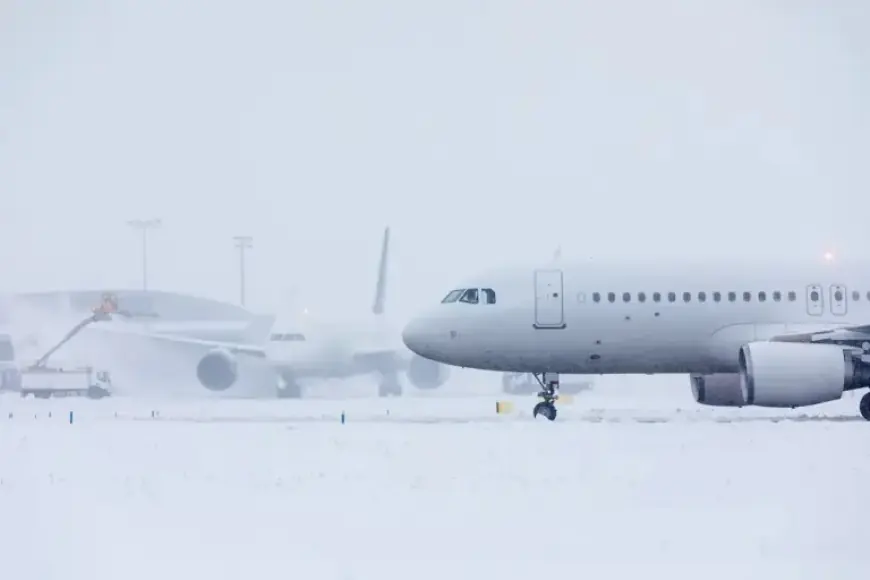
The impending date of January 25, 2026, has raised concerns about its potential to be one of the worst days for air travel in the United States. This prediction is fueled by expected severe weather conditions, air traffic control (ATC) challenges, and operational issues across major airlines. As cancellations and delays mount, many wonder if this date is in fact the worst day ever for U.S. flights.
Understanding the Impact of January 25, 2026
The term “worst” in the context of air travel can be subjective. Travelers may assess their experience based on personal disruptions like missed events, lost luggage, and hotel costs. Conversely, airlines and regulators utilize specific metrics to define operational failures, primarily focusing on:
- Cancellations: These are clear indicators of airline disruptions.
- Delay Intensity: This considers both the number and duration of delays.
- System Disruption: This occurs when issues spread across multiple hubs, affecting national operations.
January 25 is projected to face significant challenges in each of these categories, with estimates indicating that up to 38% of all flights could be canceled.
Projected Cancellations
Data for January 25 shows alarming predictions for several airlines, including:
| Airline | Cancellations (%) |
|---|---|
| American Airlines (AA) | 49% |
| Delta Airlines (DL) | 36% |
| United Airlines (UA) | 33% |
| Southwest Airlines (WN) | 26% |
Similarly, certain airports are expected to experience even higher cancellation rates, including:
- Washington D.C. (DCA): 96%
- LaGuardia, New York (LGA): 93%
- Dallas/Fort Worth (DFW): 84%
- Philadelphia (PHL): 84%
- Newark (EWR): 82%
Factors Contributing to Disruptions
Several winter-related challenges are expected, including de-icing delays, altered runway configurations, and congestion at gates. These compounding factors can severely disrupt flight operations and create a ripple effect that hampers recovery efforts.
Even a single hub’s issues can propagate problems throughout the national airline network, making January 25 particularly problematic. Once airlines fall behind schedule, recovery can take multiple days due to limited seating availability for rebooked passengers.
Comparative Analysis of “Worst Days” in Aviation
To assess the severity of January 25, 2026, it’s essential to compare it against historical benchmarks of disruption. The December 2022 Southwest Airlines operational meltdown remains a significant point of reference. It caused a multi-day operational collapse driven by logistical failures, rather than merely weather-related disruptions.
Another infamous example in aviation history is the shutdown following the September 11, 2001 attacks, which grounded flights nationwide for three days, resulting in tens of thousands of cancellations. This unprecedented event remains unparalleled in terms of disruption.
Conclusion: Will January 25, 2026, be the Worst Day Ever?
Though January 25, 2026, stands to be among the most challenging days for travel this winter, it may not meet the stringent definition of the “worst day ever.” Significant weather events and nationwide systemic breakdowns are often necessary to claim such a title. Nevertheless, this date will certainly demonstrate how quickly the U.S. airline network can become overwhelmed, leaving travelers stranded and facing ongoing challenges.
As we approach this potential travel chaos, both travelers and airlines must remain vigilant and prepared for the impacts on the aviation landscape.