Springsteen: Deliver Me from Nowhere Surges Again as Streaming Viewers Discover the “Nebraska” Story

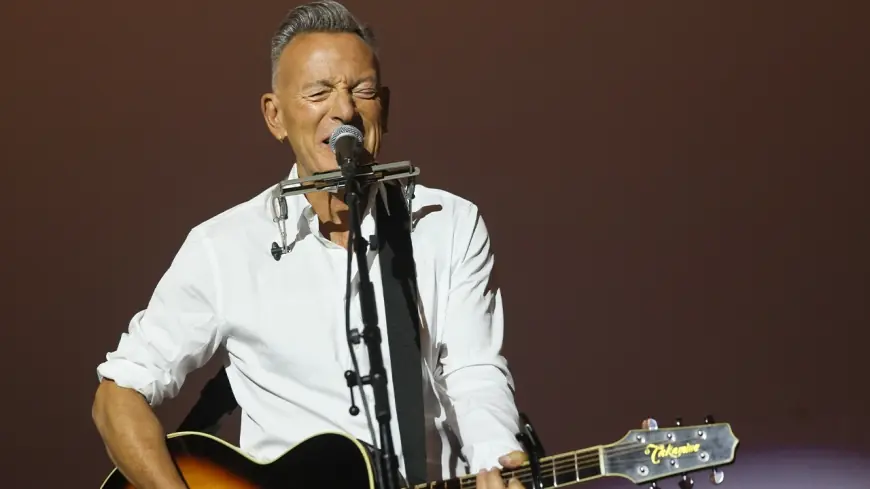
In the past day, “Springsteen: Deliver Me from Nowhere” has jumped back into the spotlight, not because of a new theatrical push, but because its streaming debut is giving the Bruce Springsteen biopic a second life. The film, led by Jeremy Allen White as Springsteen and directed by Scott Cooper, dramatizes the tense, inward period around the creation of Springsteen’s 1982 album “Nebraska”—a project built on stark songwriting, a stripped-down recording setup, and a mood that runs against the “stadium legend” image many casual fans expect.
The renewed attention matters for one reason: it shows how music biopics are increasingly being “released twice”—first in theaters, then again in living rooms, where the audience is larger and the pace of discovery is slower but deeper.
What happened with Springsteen: Deliver Me from Nowhere—and what’s new now
The film’s core narrative is intimate: an artist at a crossroads, pressure building, fame expanding, and the decision to make something quieter and darker at the exact moment the industry expects something louder and bigger.
What’s new this week is the shift in how people are encountering it. Streaming placement has turned the movie into a “try it tonight” pick rather than a “buy a ticket” commitment. That difference is everything:
-
At home, viewers are more open to a reflective drama that doesn’t chase constant spectacle.
-
Music fans who missed it in theaters are treating it like a must-watch companion piece to the “Nebraska” era.
-
The film is being discussed less as a box-office performer and more as a character study with awards-season energy.
Why “Nebraska” is the hook—and why the film bets on mood over myth
Most Springsteen screen portrayals audiences imagine would be built around arena triumph and crowd-pleasing hits. Deliver Me from Nowhere takes the opposite route: it leans into the unease behind the public persona—family tensions, creative doubt, and the fear of becoming the version of yourself everyone else is selling.
That creative choice is risky in theaters, where audiences often reward momentum and recognizable set pieces. On streaming, it becomes a strength. Viewers who press play already want a deeper cut; they’re prepared for a film that’s more “late-night album” than “greatest hits tour.”
Behind the headline, this is the real wager: the Springsteen brand is iconic, but the movie isn’t trying to replicate iconography. It’s trying to explain why an artist with every incentive to go bigger sometimes chooses to go smaller.
Behind the headline: incentives, stakeholders, and what’s really being tested
This streaming surge is not just a nice rebound—it’s a signal.
Incentives
-
Platform incentives: A recognizable name like Springsteen is a powerful discovery engine. Even viewers who don’t usually watch biopics will click out of curiosity.
-
Studio incentives: Streaming success can reframe the narrative around a film that didn’t dominate theaters, extending its commercial life and cultural footprint.
-
Awards incentives: A strong second wave of attention can keep performances and craft work in the conversation, especially as the industry calendar moves toward major ceremonies.
Stakeholders
-
Springsteen fans: Many are judging authenticity—voice, posture, emotional tone—more than plot mechanics.
-
General audiences: They’re judging accessibility—does the film work even if you don’t know “Nebraska” track by track?
-
The actor-director team: A streaming breakout can become career-defining, particularly for a performance-heavy role.
-
Music biopic market: Every hit or miss reshapes how future musician stories get financed, cast, and distributed.
Second-order effects
If streaming attention stays strong, expect a broader ripple: increased interest in the “Nebraska” catalog, renewed discussion of lo-fi recording aesthetics, and more appetite for music films that focus on process and psychology rather than headline scandals.
What we still don’t know
Even with the new momentum, key questions remain open:
-
How sustainable the streaming surge is: A weekend spike is common; staying power is rarer.
-
Whether the film’s reputation stabilizes: Some viewers respond to the introspective pacing; others want more “rise to fame” beats.
-
How the film performs internationally: Springsteen’s cultural footprint varies by region, and streaming algorithms can amplify—or bury—movies quickly.
-
Whether this reshapes the “success” label: The industry is still negotiating how to measure wins when theaters and streaming tell different stories.
What happens next: realistic scenarios to watch
-
The film holds in the streaming top tier for multiple weeks
Trigger: strong completion rates and repeat viewing. -
Awards talk intensifies around the lead performance
Trigger: nominations, critic-group momentum, and late-campaign visibility. -
A “Nebraska-era” listening wave becomes noticeable
Trigger: playlist trends, catalog sales/streams, renewed cultural references. -
The creative team leans into more character-driven music stories
Trigger: new development announcements built around “small but intense” music narratives. -
The film becomes a long-term comfort watch for music fans
Trigger: it enters the rotation as a go-to “creative process” movie rather than an event release.
Why it matters
“Springsteen: Deliver Me from Nowhere” landing big on streaming isn’t just a second chance—it’s a reminder that some stories thrive when audiences can meet them on their own time. The “Nebraska” era isn’t about a triumphant stage moment; it’s about what happens when an artist steps away from the crowd and listens to the darker rooms in his own head.
And in 2026’s entertainment economy, that kind of quiet intensity can be exactly what breaks through—once the movie reaches the place where most viewers actually watch.