























Mark Kerr and Dwayne Johnson’s The Smashing Machine Movie: Why “Smashing Machine” Is Trending Again in 2026

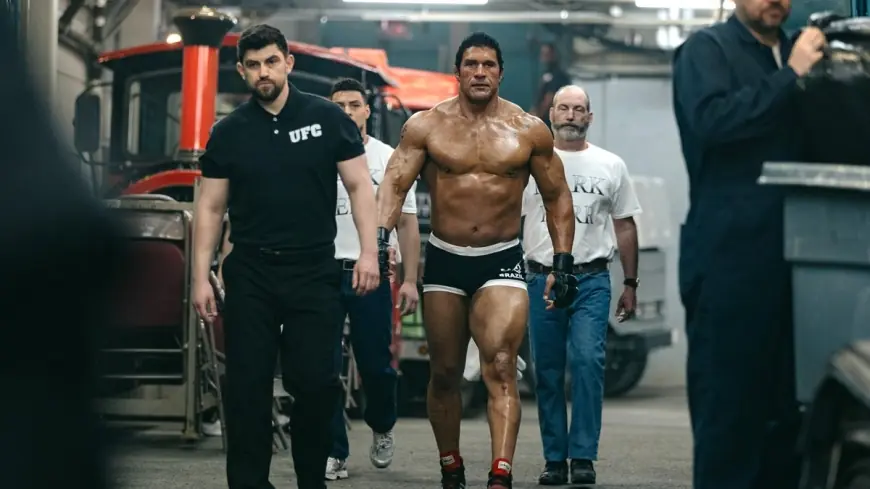
The Smashing Machine movie has surged back into the conversation in recent days, driven by two forces at once: a high-profile awards-season moment focused on its transformative makeup work, and a fresh wave of viewing as the film rolls onto major home platforms. For longtime fight fans, it’s a new lens on Mark Kerr’s turbulent rise in late-1990s mixed martial arts. For general audiences, it’s also a rare dramatic left turn for Dwayne Johnson—less about winning belts, more about what winning costs.
Below is what’s new around Smashing Machine in 2026, who’s involved, and what viewers should actually expect from the film’s tone and storytelling.
The Smashing Machine movie in 2026: what’s new right now
In the past few days, The Smashing Machine has re-entered the spotlight after landing a notable awards-season recognition tied to its hair-and-makeup transformation work—specifically the heavy prosthetic and daily chair-time needed to turn Dwayne Johnson into Mark Kerr on screen. That recognition has become the headline hook because it points to the film’s central ambition: to make Johnson disappear into Kerr, physically and emotionally, rather than play a familiar “Rock” persona.
At the same time, the film’s move into at-home viewing has created a second-life effect. When a sports biopic hits living rooms, the conversation changes: people pause, replay, compare to real footage, and debate what felt accurate versus what felt dramatized.
Who is Mark Kerr, and why his story still hits
Mark Kerr isn’t framed here as a simple underdog or a spotless champion. The Smashing Machine treats him as a contradiction: a terrifyingly effective competitor paired with a private life shaped by dependence, volatility, and shame. The film draws from the era when MMA was still rough around the edges—part spectacle, part emerging sport—and uses that environment as a pressure cooker rather than a victory lap.
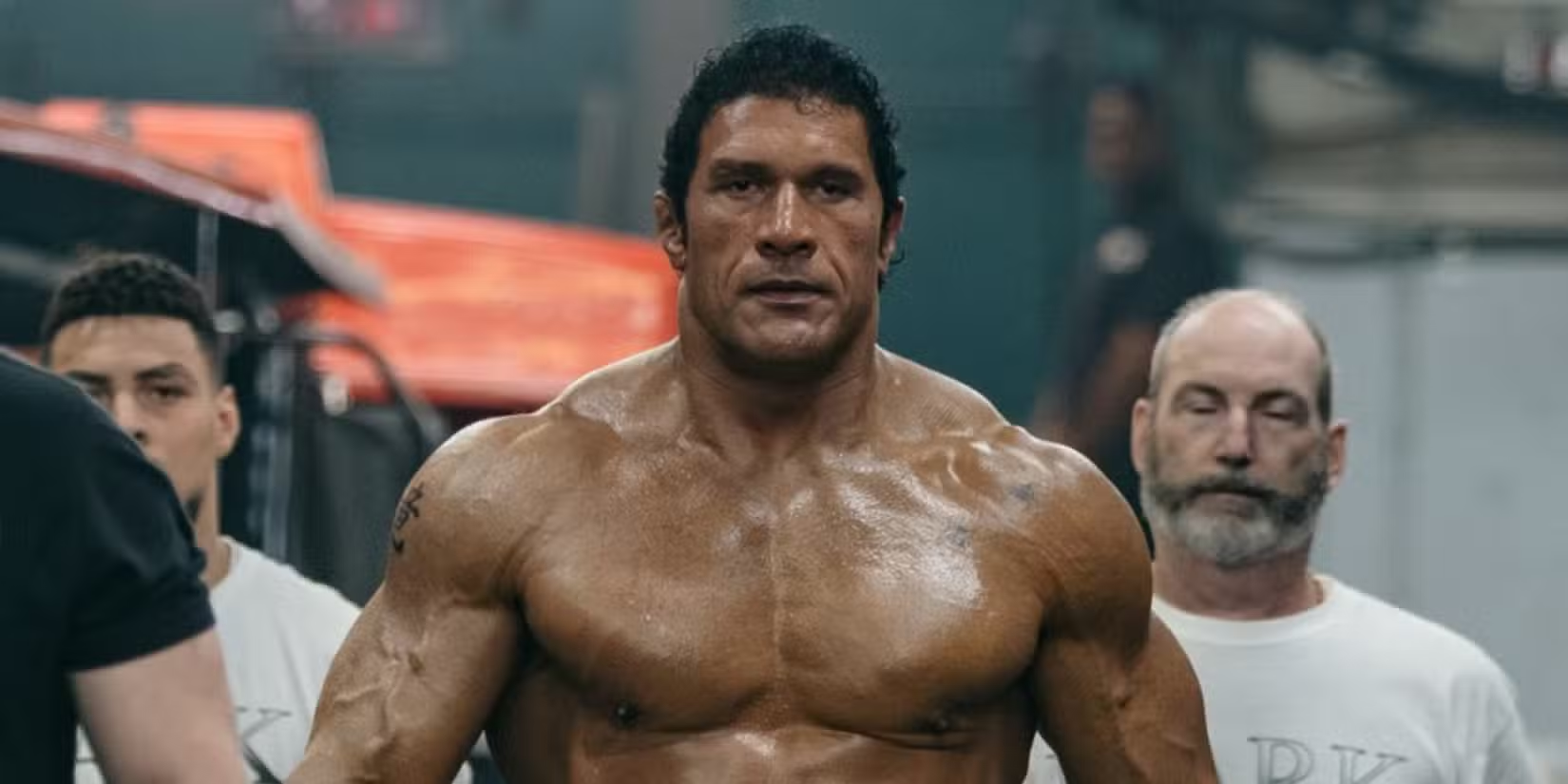
Kerr’s story remains sticky for audiences because it doesn’t offer neat moral math. Athletic dominance and personal collapse can coexist. Triumph can be real and still feel empty. And recovery—when it appears—isn’t a credits-roll reward, it’s a messy, ongoing fight.
Dwayne Johnson as Mark Kerr: the performance gamble
Dwayne Johnson has played heroes, antiheroes, and larger-than-life icons, but The Smashing Machine movie asks something different: sustained interiority. The physical transformation is the attention-grabber, yet the performance hinges on quieter choices—awkward stillness, abrupt mood turns, and the sense of a man trying to outmuscle emotions the way he outmuscles opponents.
That’s also why the awards conversation has centered on the transformation craft. When you’re asking a global star to be seen as someone else, the “believability bridge” is built with face work, posture, voice choices, and how the camera observes rather than celebrates.
What “Smashing Machine” is really about: addiction, intimacy, and damage
If you go in expecting a traditional sports arc—training montage, big match, inspirational speech—Smashing Machine will likely surprise you. The film’s core conflict isn’t “Can he win?” It’s “Can he live with himself when he does?”
Key themes the film pushes to the front:
-
Opioid dependence as a daily gravity, not a single plot twist
-
A relationship under strain, where love and damage feed each other
-
Violence as a job, and the psychological cost of making it routine
-
Identity collapse, when the public myth doesn’t match the private man
That approach is polarizing by design. Some viewers find it bracingly honest; others feel it withholds the catharsis typical of fight films.
The Smashing Machine cast, director, and the real-fight texture
The Smashing Machine is directed by Benny Safdie, and the film leans into a gritty, observational style. Rather than turning every bout into a triumphal set piece, it often treats fights as work—loud, repetitive, and physically punishing. The supporting cast includes Emily Blunt as Dawn Staples, whose role is crucial because the movie doesn’t treat her as scenery; the relationship is part of the battlefield.
A notable texture detail: the film uses real combat-sport presence in the background and supporting roles, which adds to the feeling that you’re watching an era rather than a glossy reenactment.
What happens next for The Smashing Machine movie in 2026
With awards attention now attached to its transformation craft, The Smashing Machine could keep circulating through the season even if it isn’t dominating in every category. More importantly, its at-home availability means it’s entering the “argument phase” of its life cycle—when audiences debate not just whether it’s good, but what it’s trying to say about masculinity, pain management, and the entertainment machine around combat sports.
If you’re deciding whether to watch, the simplest expectation-setter is this: The Smashing Machine is less a celebration of Mark Kerr’s greatness and more a close-up of what greatness can hide.
If you want, tell me whether you care more about (1) the real Mark Kerr timeline and accuracy, or (2) the movie’s ending and themes—then I’ll tailor a tighter explainer without spoilers or with full spoilers.