A Knight of the Seven Kingdoms Episode 2: Dunk and Egg’s “Hard Salt Beef” Raises the Stakes for HBO’s Next Game of Thrones Era

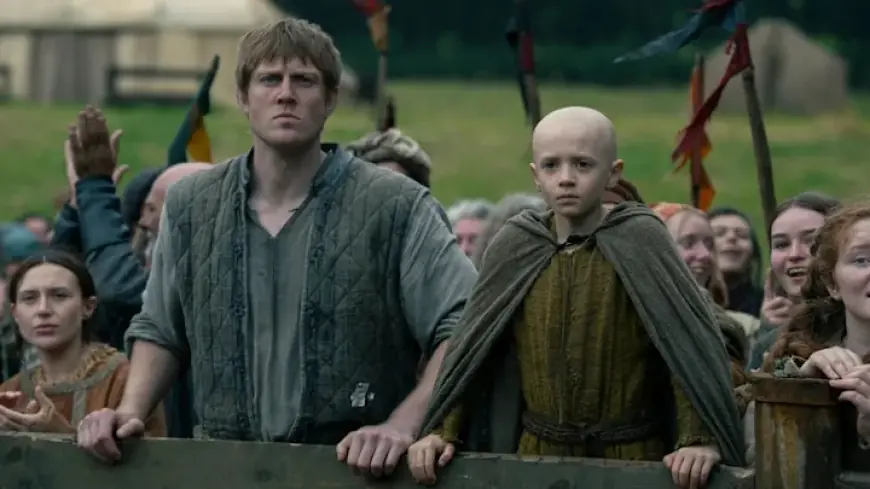
A Knight of the Seven Kingdoms episode 2 arrives as the new prequel tries to do something the franchise hasn’t leaned on in a while: small-scale storytelling with big consequences. “Hard Salt Beef” keeps Ser Duncan the Tall (Dunk) and Egg at the center, but it also widens the lens just enough to remind viewers that even a “hedge knight” tale can collide with royal power, reputation politics, and the machinery of Westeros.
What time does A Knight of the Seven Kingdoms come out, and when is episode 2?
Episode 2 premieres Sunday, January 25, 2026 at 10:00 p.m. ET on HBO and HBO Max.
Season 1 is structured as six weekly episodes, keeping the rollout tight and conversation-heavy: one hour-long watercooler cycle per week, without a sprawling episode count that dilutes momentum.
The Hedge Knight story, Dunk and Egg, and where this series sits in the timeline
The hedge knight setup matters because it shifts the franchise’s default viewpoint. Instead of dragon-riding rulers or realm-wide wars, the story follows:
-
Dunk: a former squire trying to “be” a knight in the eyes of a system built on lineage and sponsorship.
-
Egg: a sharp, secretive boy who pushes Dunk toward choices that ripple outward.
When does a knight of the seven kingdoms take place? The series is set in 209 AC, about 89–90 years before the opening events of Game of Thrones, and roughly eight decades after the Targaryen civil war era portrayed in House of the Dragon. That places it in a rare pocket of relative calm: fewer existential threats, more human ones—status, honor, patronage, and the quiet violence of class.
A Knight of the Seven Kingdoms cast: Peter Claffey, Dexter Sol Ansell, and why “height” became part of the discourse
HBO’s casting of Peter Claffey as Ser Duncan the Tall has been one of the early talking points for a reason: the character’s physicality is part of his legend. Claffey stands around 6'5" (about 1.96m), while Dunk in the source material is often described as nearly seven feet. The gap hasn’t hurt the on-screen effect; costuming, framing, and Dunk’s gentle-giant presence do a lot of the work. The bigger point is what his size symbolizes: Dunk doesn’t fit neatly into noble society, and his body becomes a walking challenge to courtly norms.
Dexter Sol Ansell plays Egg (Aegon “Egg” Targaryen). For viewers asking “who is Egg in Game of Thrones?”—Egg isn’t a character from the original series’ main timeline, but he is a key figure in the deeper Targaryen lineage. The show is effectively giving casual viewers a backdoor into that history through a child’s-eye view.
What’s new in episode 2, and why now?
“Hard Salt Beef” leans into tournament politics and the slow-burn tension of reputation. That may sound modest compared to dragons and armies, but it’s the point: tournaments in Westeros are public markets for power. Knights posture for glory, nobles trade alliances, and a single humiliating moment can shadow a house for years.
This is also where “Trial of Seven” chatter starts to feel relevant. The title “A Knight of the Seven Kingdoms” isn’t just poetic; it gestures at how faith, vows, and spectacle can become weapons. Episode 2’s job is to position Dunk and Egg close enough to the aristocracy that one wrong decision can trigger consequences they can’t outrun.
Behind the headline: what HBO is really testing with this Game of Thrones spinoff
This series is a strategy shift.
HBO is stress-testing whether the Game of Thrones brand can thrive without the franchise’s most expensive hooks (dragons, continent-spanning wars, constant location-hopping). A tighter story means:
-
Lower production risk per episode
-
Faster audience onboarding (new viewers don’t need a family tree spreadsheet)
-
More flexibility to renew and produce quickly
It’s also a tone experiment. Dunk and Egg stories are more intimate, often warmer, and built around decency colliding with a cynical world. If it works, HBO gains a repeatable template: “Westeros, but character-first.”
What we still don’t know
Even with the schedule set, key uncertainties remain:
-
How far the season will push into the political consequences of Ashford’s events versus keeping things personal
-
Whether the show will lean into “lore rewards” for longtime fans or keep lore as background texture
-
How boldly it will portray Targaryen power at a time when dragons are gone, but dynastic privilege still rules the board
Family suitability and content questions are also circulating in fan spaces; early episodes suggest the franchise remains adult-oriented, even when the tone is lighter.
What happens next: realistic scenarios fans should watch for
-
Dunk’s identity stress test
Trigger: a public challenge to his legitimacy.
Effect: forces him to choose between survival (lying) and honor (risking everything). -
Egg’s secrecy pressure cooker
Trigger: someone connects the dots around his background.
Effect: shifts the duo from underdogs to political liabilities. -
The tournament as a proxy war
Trigger: a feud between highborn factions spills into the lists.
Effect: personal rivalries become house-level conflict. -
The “Seven” framing becomes literal
Trigger: faith or ritual enters a dispute-resolution moment.
Effect: raises the moral cost of violence—who “deserves” justice in a rigged system? -
HBO’s pacing bet pays off—or backfires
Trigger: viewers either embrace the smaller scope or demand bigger spectacle.
Effect: determines how future seasons scale, and how closely adaptations follow the novellas.
Why it matters for “latest Game of Thrones” and the search for the “best Game of Thrones”
A Knight of the Seven Kingdoms isn’t trying to out-muscle the original series’ peak chaos. It’s trying to reclaim what made early Game of Thrones addictive: social rules, fragile alliances, and characters whose mistakes feel painfully human. Episode 2 is where that promise either locks in—or starts to feel like a side quest.
For fans chasing “latest game of thrones news,” this is the clearest signal yet: HBO’s future Westeros may be less about bigger and more about sharper.