






















Blake Lively and Jameela Jamil texts turn a private “group chat” moment into a public test of feminism, fandom, and court spillover

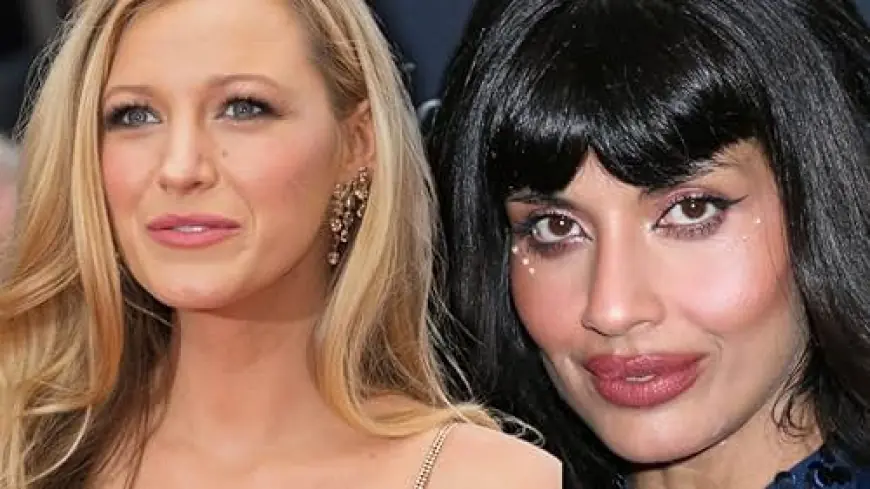
The Blake Lively–Jameela Jamil flare-up isn’t really about two celebrities liking each other. It’s about what happens when private messages become public evidence, and the internet treats them like a moral verdict. After newly unsealed court filings surfaced in the ongoing legal fight tied to It Ends With Us, Jamil’s past texts criticizing Lively detonated online—pulling a messy, human dynamic into a high-stakes conversation about credibility, “women supporting women,” and whether outrage can ever coexist with nuance.
This is the kind of controversy that spreads faster than facts: one line from a private chat gets clipped, a headline is born, and the context collapses into a binary—hero or villain—before anyone has room to breathe.
The real risk is reputational: litigation leaks, pile-ons, and the cost of taking sides
When courtroom exhibits spill into public view, the story doesn’t stay confined to the people suing each other. It drags in friends, acquaintances, and peripheral names—often without their consent or control. That’s the uncomfortable center of this week’s clash: Jamil’s messages weren’t released as a standalone statement; they appeared inside a larger legal ecosystem. Once out, they became a public referendum not only on her language, but on her politics and identity.
Jamil responded by arguing that feminism doesn’t require women to be friends—or even to like one another—while still supporting women’s rights in principle. Her pushback landed as a defense of complexity: that private venting, even ugly venting, isn’t the same thing as publicly mobilizing a pile-on. Critics countered that the tone of the texts undercuts the spirit of solidarity, especially when the broader case involves allegations of harassment and retaliation.
For Lively, the timing is brutal. The dispute arrives while her larger legal claims are still being litigated, meaning every secondary storyline risks becoming a proxy argument about her credibility, motives, or public image—topics that courtroom proceedings can’t fully protect from cultural crossfire.
What’s in the unsealed material, and why the “villain” label exploded
The texts at the center of the storm date back to 2024, during backlash around Lively’s promotional appearances for It Ends With Us, a film connected to sensitive subject matter. In the private exchange, Jamil used harsh language about Lively, including calling her a “villain” and employing other extreme phrasing that many readers found shocking once it reached the public timeline.
This week, Jamil addressed the resurfacing messages via a short social-media video, insisting that her feminism isn’t contingent on personal affection for every woman in the public eye. She also framed the release as an example of how private communication can be weaponized—especially when tied to a larger legal and PR conflict.
Meanwhile, the underlying lawsuit continues moving through federal court, with key dates on the calendar later this year. That legal backbone matters because it explains why so many side characters keep getting pulled into the conversation: evidence is sprawling, and celebrity networks overlap.
Mini timeline of how this reignited
-
August 2024: The private texts are sent amid online backlash tied to the film’s promotional cycle.
-
January 2026: Court exhibits are unsealed, making the messages widely visible.
-
Within days: Jamil responds publicly; online reaction splits into “accountability” versus “context” camps.
Micro Q&A: what people are actually arguing about (in three questions)
Is this “just drama,” or does it affect the case?
Mostly reputational, but reputation can influence how the public interprets every new filing—especially in a dispute already framed as power, control, and retaliation.
Does criticizing a woman make someone “not a feminist”?
That’s the debate. One side says feminism is about rights and equity, not friendship. The other says the language used matters, especially when it echoes broader patterns of public shaming.
Why is this hitting so hard right now?
Because private texts feel “more real” than polished statements. When they surface in court material, people treat them like unfiltered truth—even when they reflect a moment, not a full worldview.
The Blake Lively–Jameela Jamil blow-up is a reminder that modern celebrity disputes don’t stay on the surface. They spill out of courtrooms, out of phones, out of private chats—and into a public arena that rewards certainty over patience. Whether this fades quickly or hardens into lasting damage will depend less on the loudest reactions and more on what additional documents emerge, and how the people involved choose to speak when the next wave hits.