Druski’s Viral “Mega Church” Skit Ignites a Real-Time Debate Over Faith, Money, and Performance

Druski is used to breaking the internet, but his latest viral “mega church” parody has done something rarer: it jumped from comedy feeds into sanctuaries, sermons, and serious conversations about what modern church culture looks like in the age of spectacle. Posted in mid-January 2026, the skit surged through social platforms within days, pulling in massive engagement and sparking an ongoing argument over whether the punchline is the preacher—or the audience.
What happened in the Druski mega church skit
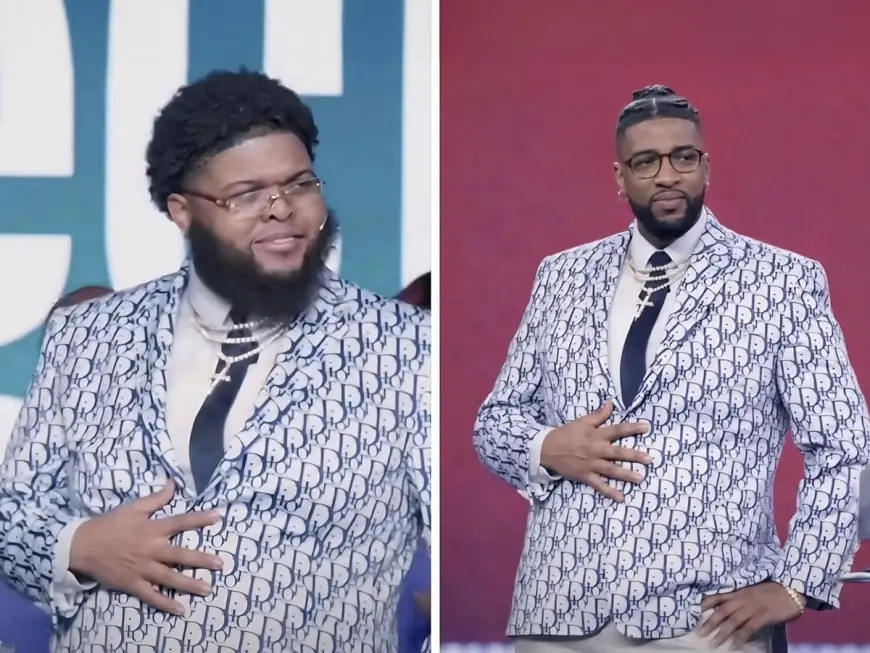
In the video, Druski plays an over-the-top pastor in a high-production church setting—dramatic staging, luxury-coded styling, and a fundraising pitch that’s intentionally outrageous. The humor leans on a familiar criticism: when sermons start to feel like performances and generosity turns into pressure, the line between ministry and monetization can blur.
The skit’s reach has been part of the story. As clips and reposts multiplied, reactions spread well beyond comedy fans, turning the parody into a cultural Rorschach test: some viewers saw it as harmless satire, others saw it as disrespect, and many saw it as a blunt mirror held up to real frustrations people already had.
Why Druski’s skit hit a nerve so fast
The timing mattered. The skit landed during a moment when conversations about church branding, celebrity pastors, social media optics, and money in ministry were already loud online. Druski didn’t create the debate—he condensed it into a shareable format that people could laugh at, argue about, and reference in one sentence.
That’s also why reactions have been so polarized. For supporters, satire works because it exaggerates what feels true. For critics, the same exaggeration can feel like it paints an entire faith community with the same brush. The result: a comedy sketch functioning like a pressure valve for years of unresolved tension.
Pastor reactions and the “was this about me?” swirl
As the video spread, some online commentary tried to attach it to specific real-world pastors and megachurch aesthetics. One prominent pastor publicly addressed the moment, pushing back on the idea that the skit was a personal attack and framing the wider online frenzy as a distraction from faith and mission. He also challenged a circulating image tied to the discussion, saying it was artificially generated.
That response shifted the conversation again: now the debate wasn’t only about the skit, but also about how quickly the internet assigns targets, how easily edited content travels, and how public figures navigate viral moments without accidentally amplifying them.
Druski’s bigger play: comedy as cultural critique
Druski’s rise has always been built on character work that feels uncomfortably familiar—workplace archetypes, music-industry power dynamics, awkward social situations. The “mega church” skit fits that pattern: it doesn’t require viewers to know theology to understand the joke. It’s about power, presentation, and persuasion—three themes that exist in every institution, religious or not.
And that’s why the skit keeps traveling. People who’ve never stepped into a megachurch recognize the pitch, the spectacle, the emotional crescendo, the subtle status signals. The comedy isn’t only “church humor.” It’s “human systems” humor.
Key moments in the Druski skit backlash-and-praise cycle
-
Mid-January 2026: Druski posts the megachurch parody; engagement spikes rapidly.
-
Following days: The clip crosses into broader culture—music, sports, and entertainment personalities reference it and react.
-
Later in the week: Religious commentators split into two camps: “this is a needed mirror” vs. “this is disrespectful and reductive.”
-
Recent days: A prominent pastor addresses the chatter publicly, denies it’s a direct personal shot, and warns against internet distraction and manipulated content.
What happens next for Druski and the conversation
The most likely outcome is that the skit becomes a shorthand reference point—something people cite whenever a church moment goes viral for the “wrong” reasons, or whenever fundraising and branding controversies flare up again. More importantly, the reaction shows how comedy now functions as a public forum: a two-minute sketch can do what long essays and panel talks often can’t—force a mass audience to engage, instantly.
For Druski, the attention reinforces a pattern: his biggest wins come when he takes a sensitive topic and makes it digestible without making it gentle. For churches and faith leaders, the episode is a reminder that audiences are watching the production as closely as the message—and that the internet will critique both in the same breath.
Whether people laughed, got offended, or felt seen, the skit’s real impact is that it made a private discomfort public. And once that happens, the conversation doesn’t disappear when the trend cycle moves on—it just waits for the next spark.