





















Yves Lévesque Faces Criticism During Robert Trudel Tribute

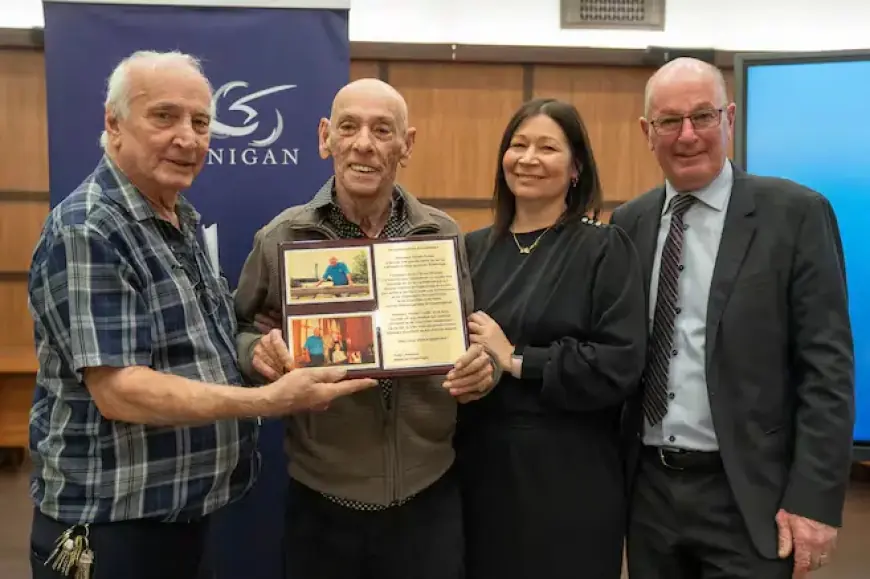
Yves Lévesque, the mayor of Shawinigan, has sparked controversy during a tribute to Robert Trudel, a man facing allegations of sexual misconduct. During the ceremony, Lévesque defended Trudel, referencing societal changes regarding what can be said in public discourse. His remarks drew sharp criticism from various community members.
Controversial Tribute to Robert Trudel
Robert Trudel, aged 74, has been under scrutiny since 2018 due to allegations of inappropriate behavior. While honoring him, Mayor Lévesque made comments that many found insensitive. He stated that phrases once deemed acceptable, such as compliments about physical appearances, are now viewed as inappropriate.
Responses from the local community were immediate and vocal. A public figure from Mauricie challenged Lévesque’s remarks on Facebook, highlighting that multiple women allege they suffered inappropriate actions from Trudel throughout the years. The commenter recounted personal experiences, emphasizing her dismay at honoring someone with such accusations.
Public Outcry and Reactions
- Numerous comments appeared on social media supporting the initial critic of Lévesque.
- Some individuals shared their own experiences of misconduct, questioning the appropriateness of honoring Trudel.
When questioned by journalists about the backlash, Lévesque did not apologize. He insisted he based his views on available facts and referenced that the police had previously investigated the allegations without proceeding with charges. Lévesque maintained that the matter is closed, although he acknowledged differing opinions.
Community Concerns and Implications
The incident sparked broader discussions within the community, particularly among local organizations such as La Séjournelle, the Centre des femmes de Shawinigan, and the CALACS. These groups expressed discomfort with the tribute and announced intentions to take collective action.
Stéphanie Bédard from the Centre des femmes highlighted a lack of sensitivity in Lévesque’s defense of Trudel. She noted that the decision-making process around the tribute did not consider the concerns of all community members, suggesting that input from the public might have been beneficial.
Marie-Ève Lajoie from CALACS raised awareness about the influence of public figures on societal perceptions of sexual violence. She emphasized the need for careful communication regarding such serious matters to avoid trivializing the experiences of survivors.
Concluding Thoughts
The debate surrounding Lévesque’s remarks and the tribute to Trudel reveals deeper societal issues. Joëlle Massé from Allaitement Soleil argued that the issue is not merely about reputation, but rather about acknowledging the inappropriate behaviors that persist. She stated that dismissing these actions as generational misunderstandings ignores the real experiences faced by many women.
As the community grapples with this controversy, it highlights the ongoing necessity for dialogue regarding accountability and respect in public discourse.