
























Australia’s Homeownership Dream Ages with Shifting Trends

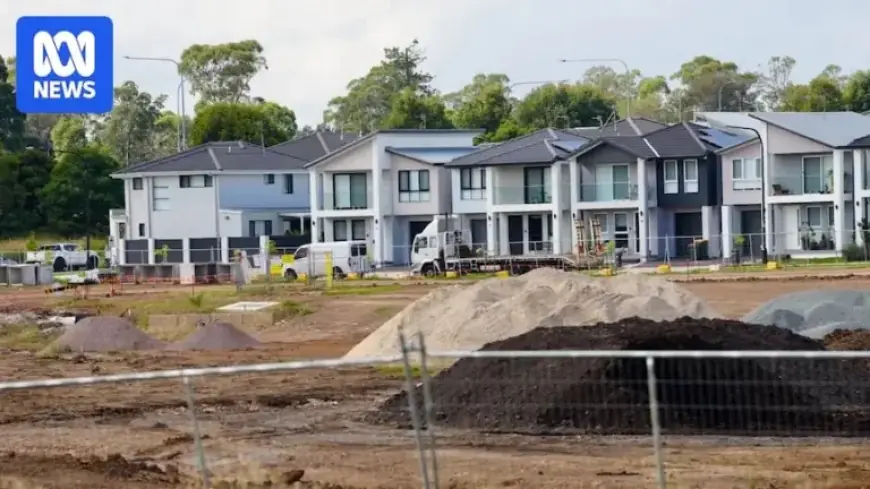
In recent years, the path to homeownership in Australia has become increasingly difficult. Many aspiring homeowners face daunting challenges as property prices soar, leading many to reconsider their dreams of owning a home. One case is that of Maddy, a healthcare worker from Melbourne, who devoted seven years to saving for a home. After attending 70 inspections and submitting three offers, all fell short as properties sold for over $100,000 above their asking prices.
Shifting Trends in Homeownership
The average age of first home buyers has risen significantly, reflecting broader economic challenges. According to the Australian Institute of Health and Welfare, the percentage of young people owning homes has declined sharply. For example, the homeownership rate among those aged 25-29 fell from 50% in 1971 to just 36% in 2021. Similarly, ownership among 30-34-year-olds decreased from 64% to 50% during the same period, signaling a worrying trend.
Statistics from Westpac reveal that the average first home buyer’s age has now reached 34. Notably, one in five loans issued last year was for buyers over 40. ANZ economist Madeline Dunk emphasized that modern first home buyers are typically older, better paid, and more financially capable than their predecessors.
Challenges of Affordability
Recent reports from the Commonwealth Bank indicate it now takes almost six years for households to save a 20% deposit for a median-priced home. This period has nearly doubled over the last three decades. As of September 2025, the average loan across Australia stands at $694,000, surging from previous averages. New South Wales leads with an average loan amount of $828,000, while the Northern Territory offers the lowest at $481,000.
Political Implications
The ongoing housing crisis has turned homes into commodities rather than basic necessities. Independent economist Saul Eslake argues that rising home prices benefit politicians seeking votes, despite the difficulties faced by prospective buyers. The first home buyer guarantee scheme, introduced to assist buyers, has paradoxically led to increased prices in cheaper housing markets. In the last quarter, homes under the scheme’s price cap rose by 3.6%, while those above the cap increased by 2.4%.
- Average age of first home buyers: 34 years
- Time to save for a 20% deposit: nearly 6 years
- Average home loan: $694,000
- New South Wales average: $828,000
- Northern Territory average: $481,000
Economists predict a slow down in house price increases for 2026, amid discussions of potential interest rate hikes. The Reserve Bank has acknowledged the current inflation levels are too high, which adds further uncertainty to the housing market. Eslake humorously suggested that young buyers may need to partner with wealthier families to secure homes, indicating the extreme measures many are contemplating.
Future Outlook
To address the housing crisis, three potential solutions have been proposed:
- Encouraging current homeowners to support policies that stabilize house prices.
- Reducing reliance on family support for young homebuyers.
- Addressing the need for younger generations to become independent.
As the cycle of homeownership becomes murkier, the future of many aspiring buyers hangs in the balance. Maddy’s experience reflects a broader reality in Australia; homeownership, once a symbol of stability, is now fraught with uncertainty.