
























Mike McCarthy to lead the Steelers, shifting the franchise’s identity from stability to urgency

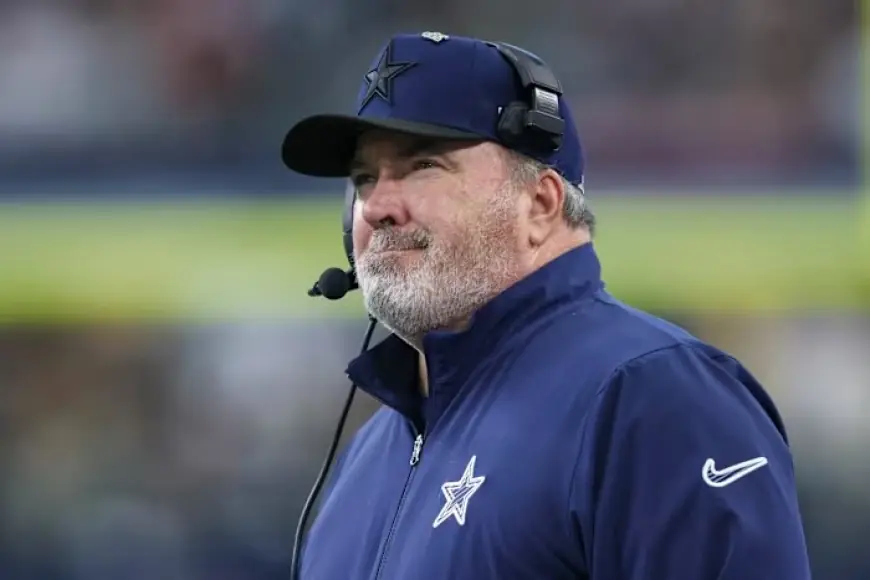
The Steelers are betting that experience—and a more modern offensive résumé—can end a playoff rut that has started to define a proud era. On Saturday, January 24, 2026, Pittsburgh reached a verbal agreement with Mike McCarthy to become the team’s next head coach, a rare coaching pivot for a franchise that has treated continuity like a competitive advantage. The move immediately sharpens the focus on quarterback answers, offensive direction, and whether “good enough” seasons can finally turn into January wins again.
A different kind of Steelers hire: proven, local, and built for offense
McCarthy arrives with the kind of history the Steelers typically avoided when they hired head coaches: he’s not a first-timer. He’s a Pittsburgh native, he’s coached in Super Bowls, and he has a long track record of building productive passing games. That combination matters because the team’s problem hasn’t been simply talent—it’s been turning regular-season competence into postseason threat.
McCarthy’s career head-coaching record sits at 185–123–2 (regular season and playoffs combined). He won Super Bowl XLV as Green Bay’s head coach. He’s also 62 years old (born November 10, 1963), bringing a veteran staff-builder’s profile to a locker room that has cycled through offensive plans without a lasting identity.
In practical terms, the hiring signals three immediate shifts:
-
Offense becomes the headline. McCarthy’s reputation is tied to quarterback development and structured passing games, and that’s the area Pittsburgh has lacked a consistent long-term answer.
-
Short-term patience shrinks. A coach with a Super Bowl ring doesn’t get multi-year “figuring it out” runway in a market that expects contention.
-
The organization is choosing certainty over novelty. Pittsburgh rarely changes leadership; when it does, it usually has a clear reason. This one is blunt: end the postseason drought.
The decision, the context, and the quarterback question
McCarthy replaces Mike Tomlin, who stepped down after 19 seasons—an era defined by competitiveness, consistency, and a remarkable run without a losing season. But the headline beneath the headline is Pittsburgh’s playoff frustration: the Steelers haven’t won a postseason game in several years, and recent exits have added pressure to fix the offense first, not last.
That’s where the Aaron Rodgers element enters—not as a guaranteed reunion, but as a variable that just got louder. Rodgers is 42, he played in Pittsburgh on a one-year deal, and his future remains unresolved. McCarthy and Rodgers famously won a Super Bowl together in Green Bay, which means Pittsburgh’s new coach is walking into the building with instant credibility for any veteran quarterback weighing one more season.
Still, McCarthy’s hiring doesn’t solve the core issue on its own: the Steelers need a quarterback plan that works beyond a single year. Whether that becomes a veteran return, a draft investment, or a hybrid approach, the team is now operating with a coach whose best years came when the quarterback position was an advantage—not a weekly survival exercise.
A quick timeline to keep the week straight
-
Jan. 13, 2026: Tomlin steps down, ending one of the NFL’s longest coaching tenures.
-
Jan. 24, 2026: Pittsburgh reaches a verbal agreement with McCarthy.
-
Late Jan.–Feb. 2026: Staff decisions and the offensive blueprint begin to take shape.
-
Spring 2026: Quarterback choice becomes the defining roster move; the direction will be obvious once that decision is made.
McCarthy is stepping into one of the league’s most tradition-heavy jobs at a time when tradition is no longer enough. The Steelers didn’t make this move to “reset.” They made it to win in January again—and they’ve hired a coach whose reputation will be judged almost entirely by whether the offense finally looks like it belongs on that stage.