Australia Reaches Global Heights in Renewable Energy, Rivals Denmark

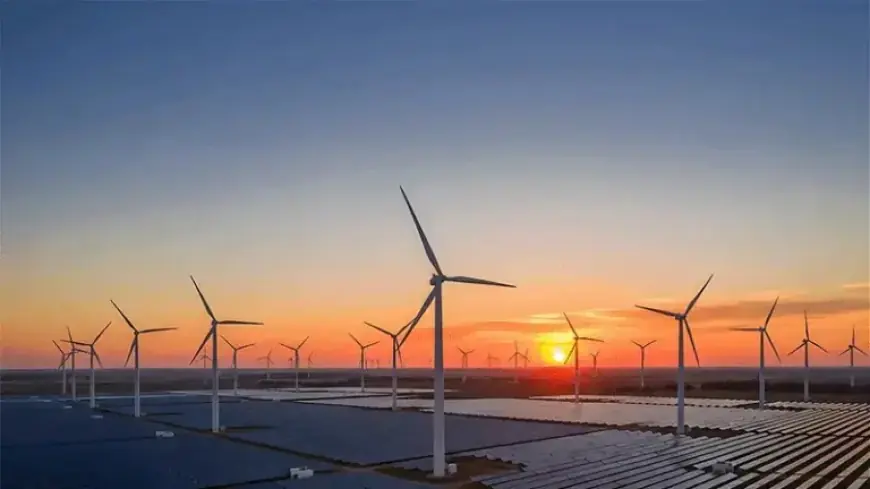
In a remarkable transformation, South Australia is on track to become a global leader in renewable energy. Over the past 20 years, the state has increased its renewable energy supply from just 1% to nearly 75%. South Australia is poised to meet its ambitious goal of 100% green power by 2027, a feat that could position it alongside Denmark as a world leader in renewable energy integration.
Significant Achievements in Renewable Energy
Energy Minister Tom Koutsantonis expressed confidence in achieving the target, citing $20 billion worth of renewable energy projects already approved for development. While some skepticism remains regarding the timeline, few can dispute the state’s impressive progress. Notably, on December 1, a Facebook group celebrated a milestone when South Australia sustained 100% renewable energy consumption for an entire week.
Throughout the previous year, renewable sources met part of South Australia’s energy demands on 289 days. Richie Merzian, CEO of the Clean Energy Investor Group, noted the significance of this achievement, emphasizing the state’s capability to operate a grid heavily reliant on renewables with limited connections to the national grid.
Power Generation Sources and Proportions
- Wind Energy: 46% of state’s energy consumption
- Solar Energy: 27.6% of state’s energy sources
- Rooftop Solar: 22.3% of solar energy sourced from residential rooftops
Koutsantonis acknowledged that most of the progress can be attributed to the widespread adoption of rooftop solar, with nearly half of the homes in metropolitan Adelaide utilizing this technology.
Critical Partnerships and Innovations
The state’s transition to renewable energy was catalyzed by innovative solutions and strategic collaboration. In 2017, a social media interaction between Tesla CEO Elon Musk and Atlassian co-founder Mike Cannon-Brookes led to the installation of one of the world’s largest battery systems. This infrastructure has become vital for stabilizing the grid, allowing for the storage of excess energy generated during peak solar conditions.
Challenges and Future Goals
Despite the remarkable progress, South Australia faces challenges. The state imported 11% of its energy in the past year, largely from coal-dependent Victoria. In response to concerns about future energy shortages, the government requested AGL to extend operations at its gas generator.
Professor Dylan McConnell, an analyst focused on energy systems, expressed some caution regarding the likelihood of achieving the 100% target on schedule. However, he predicts that South Australia could come close within six to twelve months after the deadline.
Key Factors in South Australia’s Renewable Success
- Natural resources: Favorable wind conditions.
- Strong policy support across different administrations.
- Successful early incentives for rooftop solar adoption.
These elements, combined with an efficient permitting process for new renewable projects, have enabled South Australia to stand out amid a national landscape where other states lag behind in renewable energy adoption.
The Future of Renewable Energy in South Australia
As South Australia continues its journey towards a renewable future, experts highlight the need for ongoing investment and development. More projects are underway, including the Goyder South wind farm, expected to enhance the state’s wind power capacity significantly.
Merzian emphasized the broader implications of this green energy revolution, noting its potential benefits, such as lower energy prices and reduced carbon emissions. The success of South Australia’s renewable energy initiatives offers valuable lessons for other regions and sets a powerful example in the global race for sustainable energy solutions.