
























Train Dreams is reshaping the awards conversation—and pulling quiet, literary cinema back into the spotlight

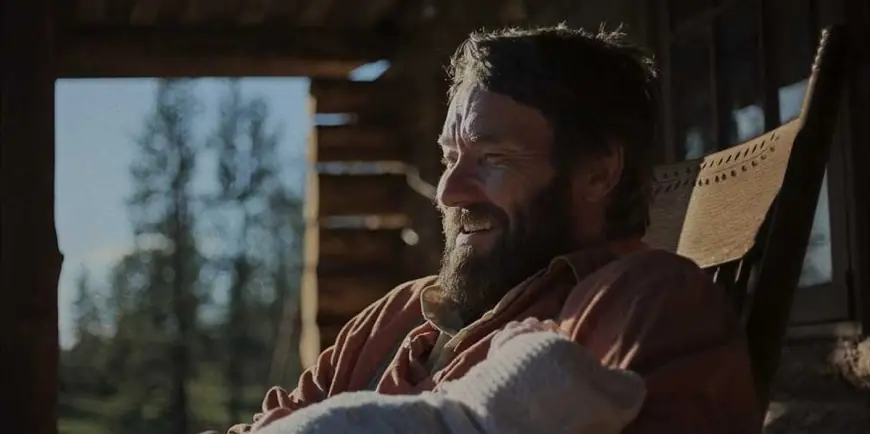
For a film with the emotional volume turned down, Train Dreams is suddenly one of the loudest titles of the season. The story follows an ordinary workingman across an era of upheaval, and that restraint is exactly what’s giving it traction now: viewers burned out on plot-heavy spectacle are responding to atmosphere, craft, and a life measured in decades rather than twists. With major awards recognition arriving as audiences continue discovering it at home, the film’s impact is less about one night of trophies and more about how a small, meditative drama can still become a cultural reference point.
Why this film is sticking: craft-forward storytelling in a crowded season
Train Dreams doesn’t win attention by being “important” in the typical sense. It’s intimate, patient, and visually specific—forests, rail lines, labor, weather, silence—leaning on sensory detail more than speeches. That approach creates a different kind of momentum:
-
Performance as the engine: Joel Edgerton’s Robert Grainier is built from tiny choices—how he listens, how he pauses, how grief changes the way he moves through space.
-
Cinematography as narrative: The landscape isn’t scenic wallpaper; it’s the force that shapes the character’s fate, turning the Pacific Northwest into an emotional map.
-
Music used sparingly, then decisively: The score and the original song land like a final exhale, not a constant push to feel something on cue.
That blend is also why the movie is playing well across different audiences. Readers of Denis Johnson’s novella recognize the tone; newcomers can follow the story without any prior attachment because the film’s stakes are basic and human—work, love, loss, and the uneasy feeling that history is happening around you whether you asked for it or not.
What Train Dreams is about, who made it, and what the recent recognition covers
Directed by Clint Bentley and co-written with Greg Kwedar, Train Dreams adapts Denis Johnson’s 2011 novella into a period drama centered on Robert Grainier, a logger and railroad laborer whose life unfolds through the early 20th century. The film tracks a personal arc rather than a public one: marriages, separations, tragedy, and survival set against industrial expansion and a natural world that can be both generous and brutal.
The cast includes Joel Edgerton, Felicity Jones, Kerry Condon, and William H. Macy, with Will Patton providing narration. Bryce Dessner composed the score, and an original song titled “Train Dreams” is credited to Nick Cave and Bryce Dessner.
The film has now landed four nominations at the 98th Academy Awards:
-
Best Picture
-
Best Adapted Screenplay
-
Best Cinematography
-
Best Original Song (“Train Dreams”)
Rather than turning the movie into an “issues” contender, the nominations highlight execution: adaptation choices, visual language, and music. That’s a meaningful shift in itself—an indication that awards voters are rewarding mood, texture, and restraint alongside the bigger, louder contenders.
A short timeline of how Train Dreams got here
-
January 2025: World premiere at a major U.S. winter festival.
-
November 2025: Limited theatrical run begins in the United States.
-
Late November 2025: Streaming debut expands the audience dramatically.
-
January 2026: Four Oscar nominations arrive across picture, writing, cinematography, and song.
-
March 15, 2026: The ceremony will determine whether craft momentum converts into top-tier wins.
Train Dreams is the kind of film that usually lives in quiet admiration; this time, it’s being treated like a centerpiece. If it continues to grow through word-of-mouth rather than marketing noise, it could become the season’s proof that a modest life—rendered with precision—can still compete on the biggest stage.