

























Tri-Folds Don’t Define the Future of Foldable Technology

Foldable technology has emerged as a prominent trend in the smartphone industry, captivating consumers and manufacturers alike. However, the future of foldables does not solely rest on current designs. The anticipated tri-fold technology, despite its innovative appeal, presents several challenges that may hinder its widespread adoption.
Current State of Foldable Phones
Foldable phones have faced criticism regarding their practicality and design. Key issues include:
- Heavy build due to dual layers.
- Limiting square aspect ratio on the main screen.
- Visible crease on the screen.
- Concerns about durability.
- High retail prices.
Yet, the excitement surrounding these devices continues to grow. Major brands, including Apple, are reportedly exploring foldable models, which could signify a shift in the market dynamics. The goal is to create a device that effectively combines multiple functionalities into one user-friendly form.
The Emergence of Tri-Fold Technology
Recent industry discussions have shifted toward tri-fold devices. These designs aim to expand the display area further, offering a larger screen experience. However, they may exacerbate the existing challenges associated with foldable technology.
Challenges of Tri-Fold Devices
Tri-fold phones, while impressive in concept, introduce several potential drawbacks:
- Increased weight and thickness.
- Greater fragility due to additional moving parts.
- Higher production costs, making them even more expensive than current foldable models.
- Limited practical use cases compared to traditional smartphones.
For instance, Huawei’s Mate XT allows users to unfold the device in multiple ways, but it exposes part of the screen when partially folded. On the other hand, Samsung’s Galaxy Z TriFold provides screen protection, yet requires full opening for use, complicating user interactions.
The Future: Rollable Technology
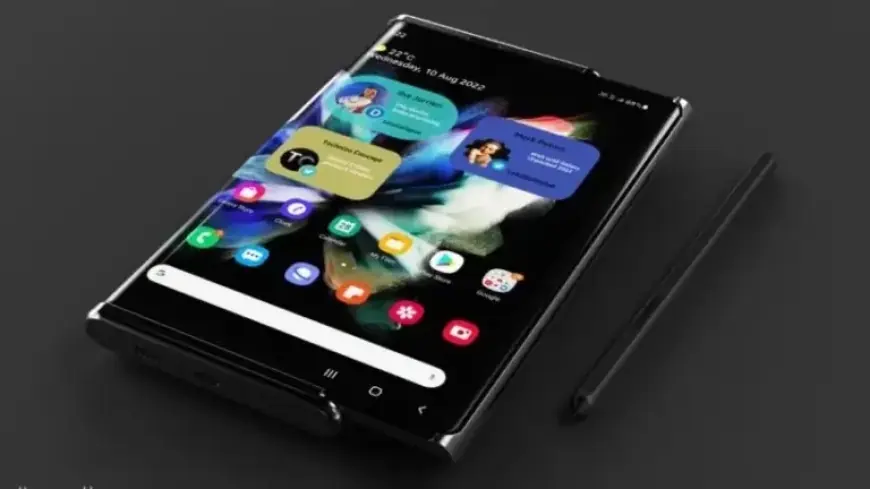
While tri-fold designs garner attention, many experts believe that rollable technology may represent the next frontier in smartphone innovation. Rollable devices utilize flexible OLED technology, enabling screens to expand and contract as needed.
- Variable aspect ratios to suit user preferences.
- Compact designs that enhance portability.
Concepts for rollable devices include designs where the smartphone remains small until the user activates a mechanism to expand the display. This approach offers flexibility without the limitations inherent in foldable phones.
Conclusion
As the market evolves, it is evident that foldable technologies are merely transitional. While tri-folds may not redefine the user experience, the advancement of rollable devices holds promise for a more versatile and practical future. The journey from foldable to rollable could herald a new era of smartphone innovation, signifying the continued evolution of mobile technology.