Gmail passwords data breach fears surge after a massive credential database is found exposed online

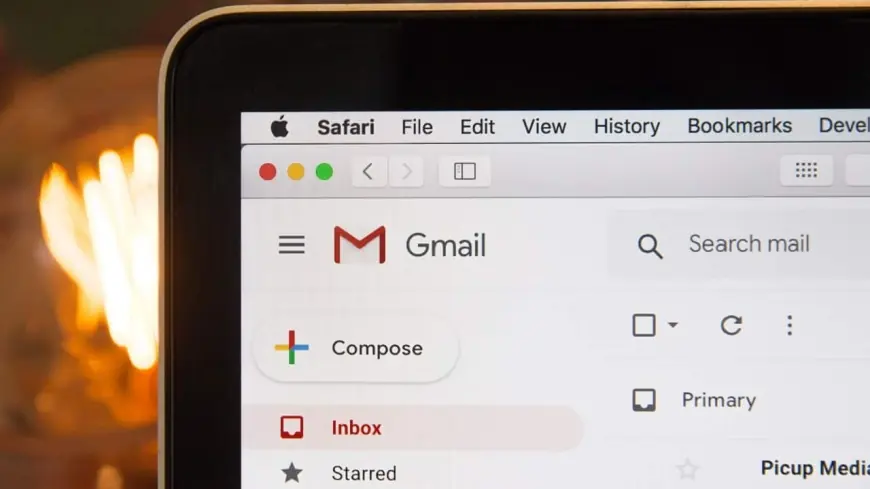
A fresh wave of anxiety around Gmail passwords isn’t being driven by a confirmed break-in at Google. It’s being driven by something more chaotic—and, for many users, just as dangerous: a large, unsecured database of stolen login credentials that includes tens of millions of Gmail-linked entries. The immediate risk isn’t that Gmail itself “fell.” It’s that reused passwords, old passwords, and password patterns can turn a credential dump into real account takeovers within hours.
Why this feels like a Gmail breach even when it may not be one
When people read “Gmail passwords leaked,” they naturally assume Google’s systems were compromised. But credential exposures often come from a different pipeline: passwords are harvested from infected devices (malware that steals saved credentials), older breaches elsewhere, phishing, or credential-stuffing campaigns—and then bundled into a single dataset that later gets left publicly reachable on the internet.
That distinction matters because it changes how you respond. If it were a direct Gmail breach, the fix would center on Google’s remediation. When it’s a credential dump, the burden shifts to users: lock down accounts, rotate passwords everywhere, and stop password reuse that allows one leak to unlock multiple services.
What’s known about the exposed database
In recent hours, reporting has centered on a publicly accessible database containing about 149 million usernames and passwords across many services, with an estimated 48 million entries tied to Gmail addresses. The dataset is described as an exposed repository rather than a newly discovered hack of a single company’s internal systems.
Two important cautions come with numbers like these:
-
“Included” doesn’t mean “newly stolen today.” Collections frequently contain a mix of old and new credentials.
-
“Gmail address + password” doesn’t guarantee it still works. Many passwords may be outdated—yet still useful if you reuse variants or haven’t changed them in years.
What you should do right now if you use Gmail
If you’ve ever reused a password, saved it in a browser on a device that might have been infected, or used the same password family (same base word + a number), treat this as a real warning—even if you haven’t noticed suspicious activity.
Here’s the fastest, highest-impact sequence:
-
Change your Google Account password to a long, unique passphrase (not a remix of an old one).
-
Turn on 2-step verification (an authenticator app or security key is stronger than SMS).
-
Run Google’s Security Checkup and sign out of any devices you don’t recognize.
-
Use Google’s Password Checkup (or your password manager’s breach tools) to identify reused or compromised passwords.
-
Change passwords on other accounts first if they share the same password (banking, email, cloud storage, social media). Email access is often the “master key” for password resets elsewhere.
Red flags that suggest immediate action
-
“New sign-in” alerts you didn’t trigger
-
Password reset emails you didn’t request
-
Missing sent mail / unexpected forwarding rules
-
Unfamiliar recovery email/phone on your account
-
Devices listed that you don’t recognize
A quick reality check on “how I got hacked”
Many victims assume a hacker “guessed” their Gmail password. In practice, credential dumps make attacks cheaper and faster:
-
Attackers take a leaked email+password pair
-
They try it on Gmail and other major services
-
If it works, they lock you out by changing recovery settings
-
They pivot into your contacts with convincing phishing, or into financial accounts via password resets
That’s why password uniqueness matters more than ever: a leak from any site becomes a Gmail problem if you reused the password.
Micro Q&A: the two questions users keep asking
Was Gmail itself breached?
There’s no confirmed evidence that Google’s Gmail systems were directly breached in this incident. The current alarm centers on a large exposed credential database that includes Gmail addresses.
If my Gmail is in the leak, does that mean my account is already taken over?
Not necessarily. Many leaked passwords are old or already changed. But you should assume attempts will happen, especially if you reuse passwords or haven’t enabled strong 2-step verification.
The single most important protective move
If you only do one thing today: enable 2-step verification and stop password reuse. A unique password plus strong 2FA breaks the most common path from “credential dump” to “account takeover.”
This story is still developing in terms of how broadly the exposed database is being mirrored or exploited. But the defensive playbook is already clear—and the sooner you act, the less likely a recycled password turns into a real-world breach of your inbox and everything connected to it.