

























U.S. President Engages in Conflict with His Own Nation

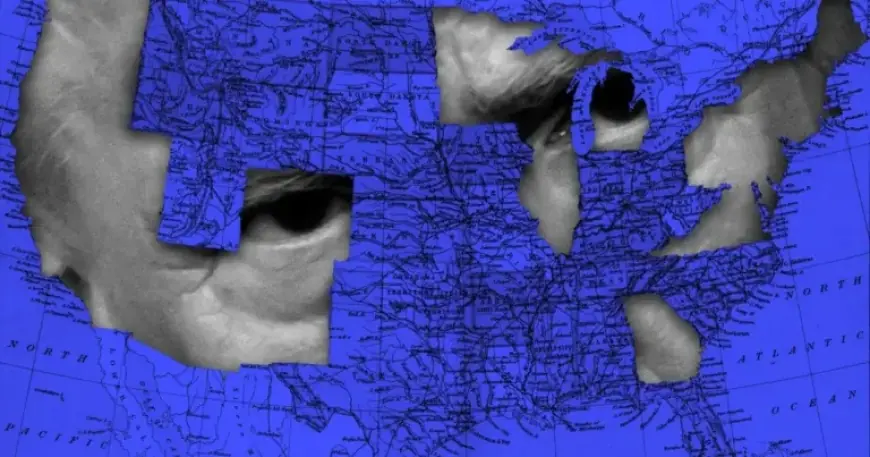
U.S. President Donald Trump has sparked a contentious debate by announcing a cut in federal funding to states he accuses of harboring “sanctuary cities.” This declaration came via Truth Social, specifying that no federal payments would be made to what he describes as corrupt criminal protection centers starting February 1. The implications of this announcement remain unclear, as the nature of the payments—be it highway funds, Medicare reimbursements, or education grants—has not been fully elaborated.
Federal Conflict with States
Trump’s actions and rhetoric indicate a broader conflict with states that primarily vote Democratic. Experts suggest this represents an unprecedented level of division in American governance, with historical parallels drawn to the Reconstruction era following the Civil War. Yet, Trump’s motives appear polarized, as he seems to target states that opposed him in elections.
Violence and Intimidation
Recent incidents in Minnesota highlight the administration’s aggressive stance. National Guard troops and federal agents have reportedly rampaged through Minneapolis, creating an environment of fear among residents. This escalation follows Trump’s threats of “retribution” against the state, further amplifying tensions.
Governor Tim Walz criticized Trump’s tactics, stating, “Minnesota voted against him three times and now he’s punishing us.” This sentiment echoes a broader concern among Democratic leaders regarding the administration’s selective funding practices.
Judicial Pushback
Legal experts have taken note of several court rulings that counteract Trump’s funding cuts. A federal judge recently ruled against the administration’s decision to halt billions in environmental grants to sixteen Democratic-led states. The judge noted the administration’s motivation was primarily political, aiming to punish states that voted for Trump in the last election.
Funding Discrepancies
- Planned cuts of $10 billion in child care funding targeted blue states like California and New York.
- Closure of six out of ten Health and Human Services field offices located in Democratic cities.
- Withholding disaster aid from affected blue states, mirroring prior actions in Trump’s first term.
Trump’s administration illustrates a worrying trend, where federal funding appears increasingly conditional based on political allegiance. This marks a departure from the expectation that all Americans receive equal government support, regardless of their political views.
Conclusion
The current trajectory of Trump’s policies poses significant questions about national unity and equality. As the Biden administration seeks to assist areas, including those predominantly Republican, Trump’s approach starkly contrasts with efforts to foster inclusivity. His administration’s actions suggest a chilling commitment to reinforcing divisions in the nation.