
















Decades-High Fog Engulfs Valley

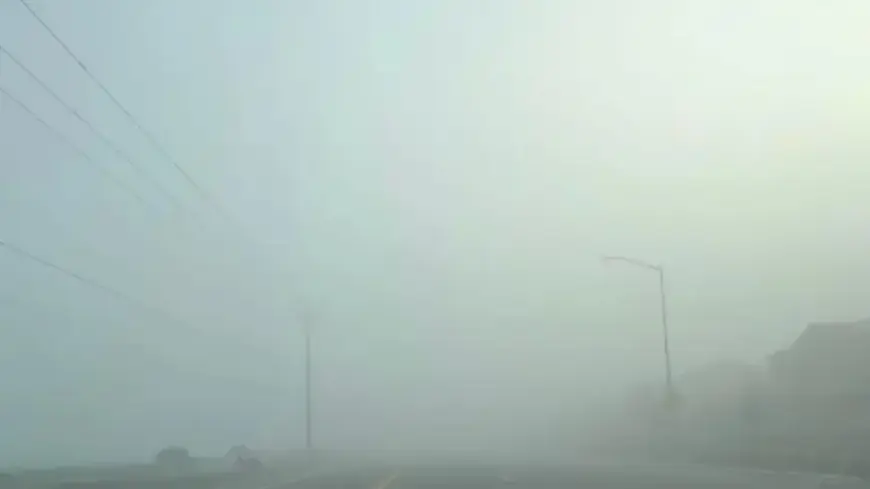
This past weekend brought unusually severe fog to the San Joaquin Valley, marking a significant weather event. Reports from Fresno-Yosemite International Airport indicated that visibility dipped to 1/16th of a mile for an extended period. This low visibility lasted for 10 consecutive hours on Friday morning, a phenomenon not seen in over 15 years.
Record-Breaking Fog Events
The fog didn’t stop there. Between Saturday at 5 p.m. and noon on Sunday, Fresno-Yosemite recorded 20 hours of visibility at just 1/8th of a mile. This level of fog had not been observed since January 1962, a staggering 64 years ago.
Causes of the Dense Fog
The primary reason for the dense fog this year has been an exceptionally wet start to the rainy season. Early rains soaked the ground, leaving standing water that contributes to fog formation. As high pressure moved in, it cleared the sky, allowing temperatures to drop at night.
- Temperature drops lead to relative humidity reaching 100%.
- Moisture condenses and forms low-lying clouds, resulting in fog.
- High pressure prevents the mixing of moist air with drier air.
This geographical area is surrounded by mountains, which restrict the movement of air masses, exacerbating the fog conditions. Such weather patterns have caused a cyclical fog situation, reminiscent of the movie “Groundhog Day.” Unfortunately, relief from this fog might not arrive until late January, at the earliest.
Impacts on Daily Life
Residents have noted the unusually thick fog this winter. Compared to past winters spent in places like Bakersfield, Redding, and Chico, many find this year’s conditions particularly challenging. The perception of this fog even extends back to personal memories from years gone by.
Potential Future Fog Patterns
As we look ahead, the nature of the fog could evolve. Recent patterns have shown a clearing of skies during the day, allowing warm afternoon temperatures, which contribute to more severe fog overnight.
- Days with afternoon sunshine lead to very foggy nights.
- Days with overcast skies could result in all-day gloomy conditions.
The heart of the fog season typically stretches from Veterans Day until Valentine’s Day, with fog remaining a possibility into late February and March as temperatures rise.
As spring approaches, the expectation of thick fog will gradually diminish, leaving behind clearer days. For now, fog enthusiasts and residents should brace for more of this unusual weather phenomenon in the coming weeks.