Overwatch Dev Criticizes SteamDB Enthusiasts for ‘Unproductive Behavior’

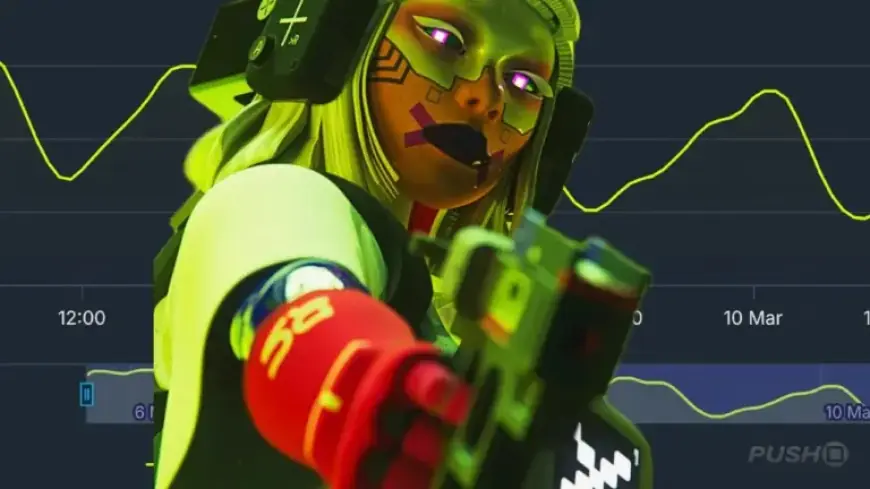
In the gaming community, tracking Steam concurrent player numbers has become a notable trend. This metric is one of the few publicly accessible indicators of a game’s popularity. However, it only reflects a snapshot of players on a single platform. As a result, the significance of these numbers can vary based on the type of game and community expectations.
Steam Player Metrics: A Mixed Bag of Success Indicators
For example, a single-player title might be viewed as successful with just 20,000 concurrent players. In contrast, a multiplayer game could be considered a failure with 80,000 players online. Such arbitrary benchmarks complicate the evaluation of a game’s performance.
- Single-player games: 20,000 concurrent players may indicate success.
- Multiplayer games: 80,000 players might suggest a flop.
Dylan Snyder’s Criticism of Player Tracking Culture
Recently, Dylan Snyder, a developer for Overwatch, criticized the rising trend of ‘Marathon Concurrent Player Watching’. He expressed his concerns via social media platform X (formerly Twitter). Snyder remarked on the unproductive nature of such behavior, calling it “big unemployed, maidenless behavior.” This comment followed user claims about the game Marathon losing 50% of its player base shortly after launch.
Snyder defended Marathon, indicating that its player count has remained stable despite these claims. He pointed out that a previous event, known as the Server Slam, had temporarily attracted over 140,000 players. However, this event was free, while the full game is priced at $40.
The Need for Context in Player Statistics
While it’s tempting to use Steam concurrent players as a gauge for success, Snyder emphasized the need for context. These figures only represent a single platform and specific moments. There are no comparable metrics for players on PlayStation, Xbox, or Nintendo systems. This lack of data can lead to skewed perceptions, especially for multi-platform releases.
- Steam provides limited data on player numbers.
- No equivalent statistics exist for PlayStation, Xbox, or Nintendo.
A Cautionary Tale About Player Numbers
Concurrent player numbers can be helpful in marketing but can also have adverse effects when expectations are not met. For example, the game Concord faced significant criticism, which likely influenced its perception based on its low player count.
In conclusion, while tracking Steam concurrent player numbers can offer insights into a game’s popularity, it requires careful consideration and context. Without broader metrics, conclusions about a game’s success can easily be misleading, especially in the current gaming landscape.