Mi: Union City tornado recovery highlights missing pets and scattered documents

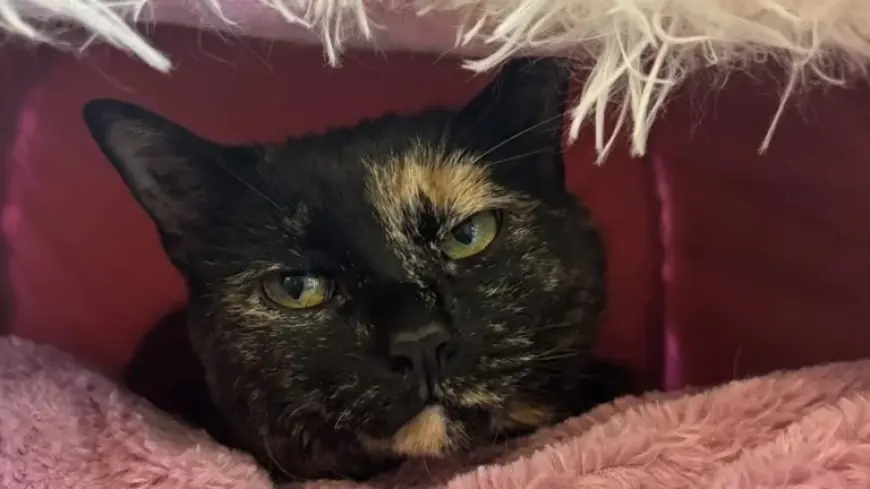
In mi, residents in and around Union City are continuing to search for missing pets days after a tornado tore through parts of Branch County, killing residents, destroying homes, and scattering personal belongings for miles. Yet the same community response that has focused on lives lost and property damage is also trying to solve a quieter problem: animals separated from survivors and irreplaceable documents and photos turning up far from where they began.
Union City, Mich., volunteers keep searching after Friday night tornado
Confirmed in the context, neighbors and volunteers began searching shortly after the storm passed Friday night. Val Rossman, a Union City resident who has lived in the community for about 40 years, said volunteers have been combing through debris fields and neighborhoods hoping to find animals that may still be alive.
Rossman described continuing searches into the night. She said volunteers made a sweep “last night” still looking for missing pets, and she referenced a “collection” that included exotic birds in a home described as Penny’s house that perished. Rossman also said there were still a couple cats missing. Some pets were found in the hours after the tornado, but others have yet to be located.
At the same time, the context documents active weather risk in the region. A Tornado Watch was issued for Berrien, Cass, St. Joseph and Branch counties until 2: 00 a. m. ET. A Severe Thunderstorm Watch was also issued for portions of West Michigan through 1: 00 a. m. ET, with large hail and damaging winds possible.
Mi gap: Deadly impacts documented, but missing-pet outcomes remain unresolved
The confirmed surface facts are stark: the tornado killed residents and destroyed homes in parts of Branch County. The less visible, documented consequence is that the storm also took the lives of animals and separated some pets from families who survived. Those two realities are presented together in the context, but they do not resolve the same way.
What remains unclear is the scale of the ongoing pet separations. Rossman provided specific examples, including missing cats and the deaths of exotic birds, but the context does not confirm how many pets are missing overall, how many have been recovered since the initial hours after the tornado, or whether any centralized system exists beyond residents and volunteers coordinating locally.
Still, the details offered show why the search continues days later. Volunteers are not only navigating damaged neighborhoods; they are working within debris fields where animals could be trapped or displaced. The context also indicates that residents see the pet search as part of recovery, not separate from it, reflected in Rossman’s framing of pets as “priceless” and in the continued sweeps after dark.
Val Rossman describes social media tracking, as papers travel 18 miles
A second documented pattern complicates recovery: personal belongings traveled far beyond the immediate damage zone. Rossman said documents and photos from destroyed homes have been discovered miles away, some as far as 18 miles from where they originated. She described helping connect a resident with military papers found near Marshall after debris moved across the region.
This creates a parallel search effort with different mechanics. For pets, volunteers comb through neighborhoods and debris fields. For documents and photographs, the context describes a broader, dispersed effort: community members using social media to track sightings and reconnect items with owners, and neighbors sharing posts asking people across southern Michigan to check papers, photographs, and other items found along roads or in yards.
Yet the context also documents an investigative tension: the farther objects travel, the harder it becomes to distinguish storm-carried property from ordinary roadside debris. Rossman urged people doing spring cleanup or picking up debris to look closely, because it might not just be trash and could be something important to someone. The context does not confirm how much has been returned, but it does confirm the stated goal: return anything meaningful that survived the storm, especially items people cannot replace.
The next evidence that would resolve the central uncertainty is straightforward but not yet present in the context: confirmation that the remaining missing pets Rossman referenced have been found, and confirmation of additional recoveries of documents and photographs identified and returned to owners. If those recoveries are confirmed, it would establish that the volunteer searches and social media coordination described in the context are translating into reunifications, not only efforts in motion.