














Indiana football coach Curt Cignetti takes center stage as Hoosiers chase a historic national title

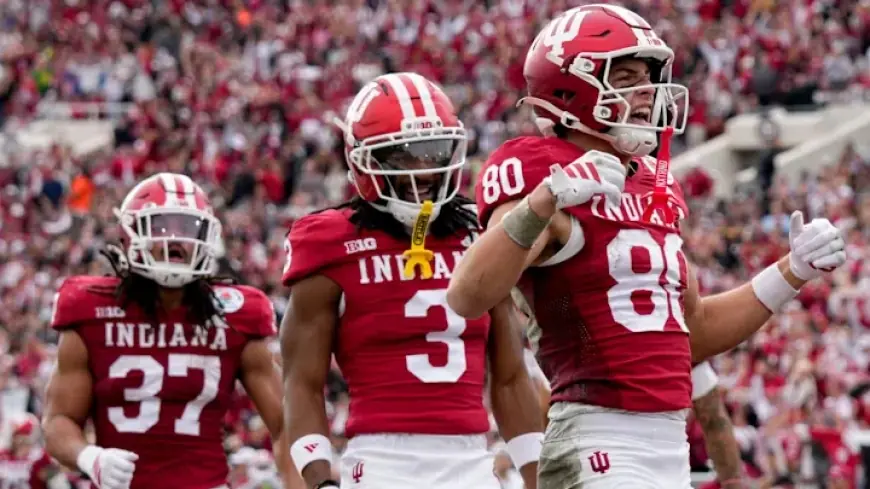
The phrase “Indiana football coach” rarely led the national conversation for long in the modern era. This week, it does. Curt Cignetti, in just his second season in Bloomington, has Indiana playing for the sport’s biggest prize, turning a program long defined by frustration into a team now measured by championships.
Indiana’s rise has also turned Cignetti into one of the most discussed coaches in college football, not only for the wins but for the way they’ve come: a roster built quickly in the transfer-portal era, a hard-edged identity anchored in defense and situational execution, and a head coach whose early bravado (“Google me”) has become a calling card rather than a punchline.
Indiana football coach: who Curt Cignetti is and how he got here
Cignetti, 64, arrived at Indiana after rebuilding stops that shaped his reputation as a fast-acting program fixer. His path ran through head-coaching success at smaller schools and a long assistant-coaching apprenticeship, including time under elite, detail-driven staffs. That mix matters now: Indiana’s jump isn’t a one-trick surge. It looks like a system.
The story he tells about taking the job captures the speed of it. Cignetti has described initially leaning toward staying where he was, then getting a call from Indiana’s athletic director that left little room for hesitation. Within months, assistants and players followed him to Bloomington, and the roster transformation began.
The “Google me” moment that now defines the turnaround
Cignetti’s national profile first spiked with a three-word answer at his introductory press conference: “Google me.” It was confidence bordering on audacity for a program that had lived on the margins of the Big Ten conversation.
Two years later, that line reads less like marketing and more like a mission statement. Indiana has stacked wins at a rate that still feels surreal to long-time followers, and the coach who challenged doubters is now fielding questions about blueprint, sustainability, and whether this is the beginning of a new power.
What’s striking is how consistent his messaging has been since that day: win the line of scrimmage, protect the quarterback, affect the quarterback, dominate “critical situations,” and treat special teams as a deciding phase—not a footnote.
National championship week: what Cignetti emphasized publicly
In his championship-week media session, Cignetti leaned into respect for the opponent and into routine: preparation, details, and sharpening execution rather than chasing the moment. He praised the other side’s physicality and intensity and framed the matchup as a test of how Indiana plays, not just who Indiana plays.
He also described his own origin story in coaching—growing up around the game and knowing early that football would be his life’s work. Then, as he has throughout the run, he circled back to the central theme: the team’s maturity, leadership, and ability to win close games on the road when the situation turns stressful.
Why the Indiana rise looks real in the modern era
Indiana’s climb under Cignetti has been powered by choices that fit today’s college football:
-
Portal acceleration: Indiana didn’t wait three recruiting cycles to get older. It got older immediately.
-
Experienced core: The roster is built to handle pressure moments, not just flash talent.
-
Identity over hype: The program’s best stretches have come when it’s played disciplined, situational football rather than chasing style points.
-
Clear authority structure: Cignetti has presented himself as the final decision-maker on roster and culture, reducing mixed messages inside the building.
That matters because the sport is increasingly about speed—how fast you can build, how fast you can retain, and how fast you can correct mistakes when a season swings.
Contract and expectations: the new reality for an Indiana football coach
With championships come new stakes. Indiana has already moved to lock in Cignetti long-term, and the financial side of modern college football ensures success is rewarded quickly. The program is no longer selling hope. It’s selling proof—and that changes everything from recruiting conversations to fan expectations to the pressure of repeating it next fall.
For Cignetti, the challenge shifts from building belief to defending a standard. The question around him is no longer “Can he win at Indiana?” It’s “Can Indiana stay here?”
What’s next after this moment
No matter how the title game finishes, Indiana’s football identity has changed. The offseason that follows will be about:
-
Retention: keeping key players and staff in a market where success gets poached
-
Reloading: using the portal and high school recruiting to replace leadership, not just talent
-
Maintaining edge: ensuring the “hunter” mentality doesn’t fade now that Indiana is a target
For now, though, the headline is straightforward: the Indiana football coach is no longer a background figure in the Big Ten story. Curt Cignetti has pulled Indiana into the sport’s biggest conversation—and made it feel, at least in this moment, like it belongs there.