Why Dwight Yoakam’s Houston Rodeo Return Signals a Spotlight Shift for Neo‑Traditional Country

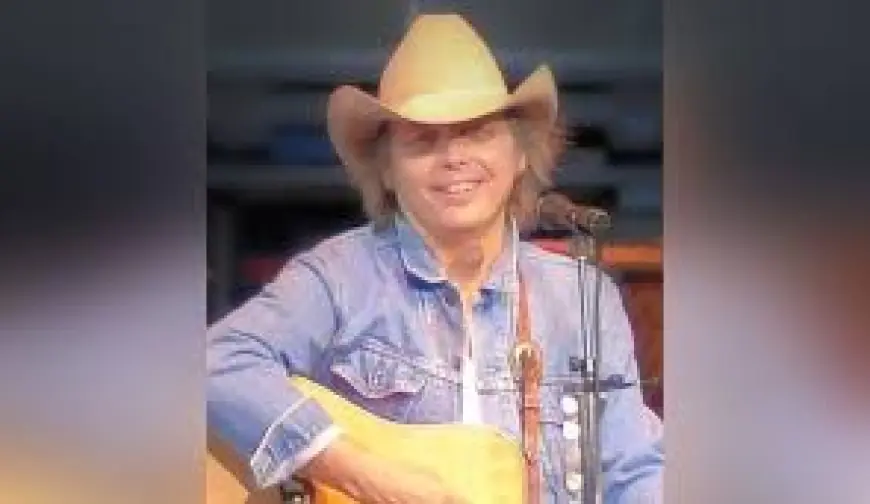
The comeback matters because it reconnects a visible mainstream platform with an artist who helped pull honky‑tonk and the Bakersfield sound back into the spotlight. Fans of dwight yoakam get more than a single show: this appearance follows recent artistic activity and a cross‑genre moment that could reframe how a wide festival audience experiences neo‑traditional country.
Dwight Yoakam’s career arc explains why the booking is more than a date on the calendar
Yoakam’s work has been both commercially successful and culturally influential: his debut EP, the major‑label breakthrough that followed it, and three consecutive No. 1 country albums established a high baseline. Beyond records, his moves into film and collaborations outside strict country circles expanded his profile. That mix—roots credibility, crossover visibility, and an ongoing recording life—makes this return feel like a deliberate reconnection with a large live audience rather than a routine tour stop.
What’s on the record about the Houston Rodeo appearances and recent output
It’s a compact set of facts: he has played the Houston Rodeo only twice before, in 1993 and 2004. His first major release was the 1986 EP "Guitars, Cadillacs, Etc., Etc. ", which led to a major‑label deal and a string of chart‑topping country albums. His most recent album is 2024's "Brighter Days, " which includes a duet with Post Malone. He also has a noted duet performance of "Streets of Bakersfield" with Buck Owens and a parallel acting track that put him in a handful of memorable film roles.
- 1986 — debut EP "Guitars, Cadillacs, Etc., Etc. " and subsequent major‑label breakout.
- 1993 — one of two prior Houston Rodeo appearances.
- 2004 — second prior Houston Rodeo appearance.
- 2024 — latest album "Brighter Days, " featuring a duet with Post Malone.
- This sequence underlines why the current return reads as a renewed spotlight rather than a routine stop.
Here’s the part that matters for audiences: a high‑profile festival slot puts Yoakam’s brand of neo‑traditional country in front of casual listeners who may know him from soundtrack moments or recent collaborations rather than his earlier catalog. Fans and curious newcomers alike are likely to hear classic Bakersfield‑style material next to anything he chooses to highlight from his latest album.
Fans of dwight yoakam will also note his film work and collaborations have kept his name in broader cultural conversation, which can amplify a festival appearance beyond the usual country fanbase. What's easy to miss is how that cross‑pollination—records, duets outside the genre, and film roles—shifts how a returning artist is received on a big rotating stage.
The real question now is whether this booking becomes a single high‑visibility moment or the start of a larger run of festival dates and crossover appearances tied to his recent album. Early signals to watch internally include setlist choices and whether subsequent festival rosters add similar legacy artists whose recent releases have intersected with modern pop or alternative audiences.
Even without a longer tour announced, this Houston Rodeo return is a notable punctuation mark in a career that has spanned recordings, screen roles, and influence on newer artists. For audiences who follow country’s shifting currents, it’s a reminder that heritage sounds still get prime festival billing when an artist’s catalog and recent moves align with broader cultural attention.
(It’s worth noting a small biographical detail that often surprises people: he worked at a K‑Mart for two months as a teenager. )