Strategic Insights for the Australian Grand Prix in Formula 1

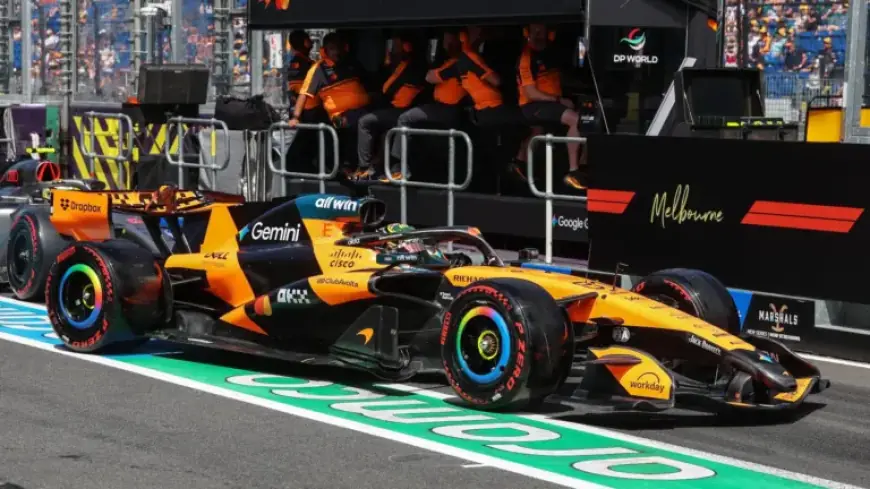
The Australian Grand Prix is a significant event in the Formula 1 calendar, offering unique strategic opportunities for teams. Understanding the key factors at play can enhance both race performance and spectators’ enjoyment.
Strategic Insights for the Australian Grand Prix
Strategy plays a vital role in the competitive atmosphere of the Australian Grand Prix. Factors such as tire management, car setup, and weather conditions can influence race outcomes. Here’s a closer look at these elements.
Tire Management
Tire strategies can greatly affect a team’s performance. Teams must decide on tire types based on various parameters:
- Soft Tires: Offer high grip but wear out quickly.
- Medium Tires: Provide a balance of durability and grip.
- Hard Tires: Designed for longevity but less grip.
Successful tire management can lead to faster lap times and optimal pit stop strategies.
Car Setup
Adjusting the car’s setup is crucial prior to the race. The Australian Grand Prix often features a mix of high-speed straights and technical corners. Teams generally focus on:
- Downforce Configuration: Balancing speed and grip is key.
- Suspension Settings: Affects handling and stability.
Finding the right setup can provide a competitive edge.
Weather Conditions
Melbourne’s weather is known for being unpredictable. Rain can significantly impact race strategies. Teams must be prepared to adapt quickly to changing conditions, which can affect tire choices and pit strategies.
Conclusion
The Australian Grand Prix is more than just a race; it is a strategic chess game. Teams that effectively utilize tire management, car setup, and respond to weather conditions will likely have an advantage. Fans can expect an exciting display of skill and strategy, making it a must-watch event in the Formula 1 season.