Daylight Saving Time 2026: Clocks Spring Forward TONIGHT at 2 a.m. ET — Here Is Everything You Need to Know

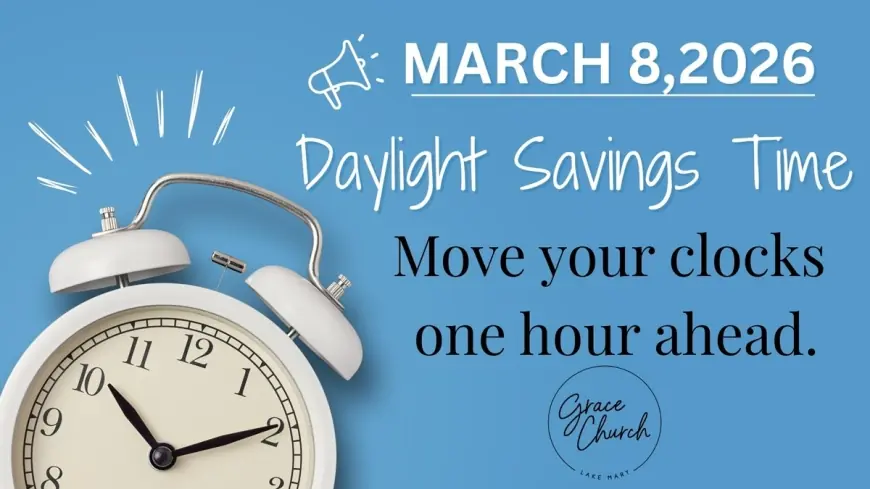
Tonight is the night. Daylight saving time 2026 begins in just hours. At 2:00 a.m. Sunday, March 8, clocks across most of the United States spring forward one hour to 3:00 a.m. — and you will lose one hour of sleep. Here is your complete guide.
What Time Do the Clocks Change Tonight?
Daylight saving time 2026 begins Sunday, March 8 at 2:00 a.m. local time. Clocks are set forward one hour, which means 2:00 a.m. becomes 3:00 a.m. instantly. You lose one hour of sleep tonight but gain an extra hour of daylight in the evening starting tomorrow.
The simplest thing to do: set all your clocks forward one hour before going to bed tonight. Smartphones and most digital devices will update automatically.
Do We Lose an Hour on March 8, 2026?
Yes. Because clocks jump from 2:00 a.m. directly to 3:00 a.m., tonight is one hour shorter than a normal night. Sunrise and sunset will both be approximately one hour later than they were yesterday, and there will be more daylight in the evenings going forward.
When Does Daylight Saving Time End in 2026?
Daylight saving time ends on Sunday, November 1, 2026 at 2:00 a.m., when clocks fall back one hour. DST will be in effect for 238 days total this year.
| Event | Date | Clock Change |
|---|---|---|
| Spring Forward | Tonight — Sunday, March 8, 2026 | 2:00 a.m. → 3:00 a.m. |
| Fall Back | Sunday, November 1, 2026 | 2:00 a.m. → 1:00 a.m. |
Which States Do NOT Observe the Time Change?
Hawaii and most of Arizona do not observe daylight saving time and will not change their clocks tonight. The U.S. territories of Puerto Rico, Guam, American Samoa, and the U.S. Virgin Islands also do not participate in the time change.
Health Warning: The Spring Time Change Is Hard on Your Body
Research consistently links the spring forward to a short-term spike in health risks. Fatal car accidents increase in the days immediately following the change due to sleep deprivation. The American Heart Association points to studies noting a temporary rise in heart attacks on the Monday after the spring time change, and elevated stroke risk for two days afterward.
To soften the impact, gradually shift your bedtime 15 to 20 minutes earlier over the next few nights, get outside for morning sunlight on Monday, and try to move meals and exercise routines earlier to help cue your body's internal clock to adapt.
Will Daylight Saving Time Ever Be Permanent?
Debate over eliminating the twice-yearly clock change continues in Congress. The Sunshine Protection Act, which would make daylight saving time permanent year-round, has been reintroduced multiple times but has yet to pass the Senate and be signed into law. Until that changes, the clocks keep moving.
Bottom line: Set your clocks forward one hour before bed tonight. When you wake up Sunday morning, March 8, 2026 — it will already be daylight saving time.