Trump Seeks to Block Coal Plant Closures, Sparking Potential Controversy

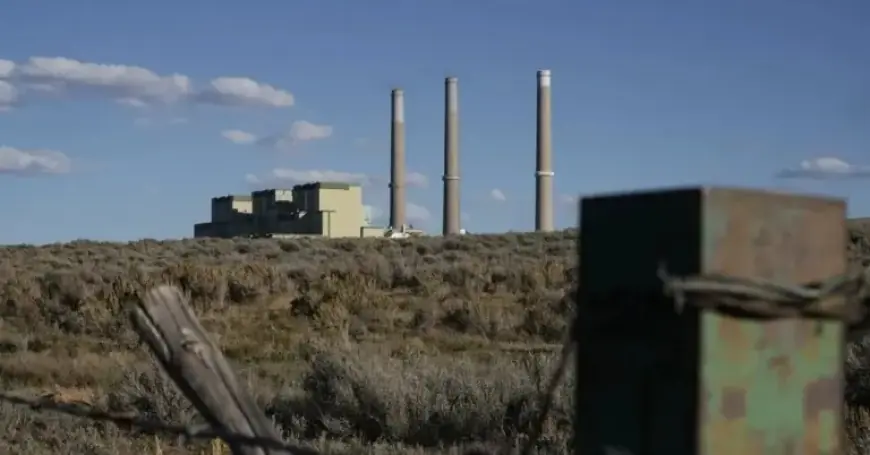
In recent months, the Trump administration has taken decisive steps to block coal plant closures, a move aimed at reviving the struggling coal industry. The Energy Department has issued orders to keep five coal-burning power plants operational, with plans to extend this approach over the next three years.
Trump’s Commitment to Coal
During a recent event at the White House, officials announced their commitment to prevent political closures of coal plants. Energy Secretary Chris Wright emphasized the administration’s goal to maintain operational coal facilities. This initiative comes amid a broader plan to rejuvenate America’s coal sector, which has faced significant decline for over a decade.
The State of Coal in America
The coal industry has experienced a significant downturn since 2005, primarily due to utilities transitioning to cleaner energy sources like natural gas, wind, and solar power. More than 150 coal-burning units shut down between 2017 and 2020 alone. However, in a surprising turn, last year saw a 13% increase in coal-generated electricity, partly due to heightened demand from data centers.
- Coal capacity closures expected in 2025: 8.5 gigawatts
- Actual coal retirements in 2025: 2.7 gigawatts (lowest since 2011)
The Trump administration has invoked Section 202(c) of the Federal Power Act to mandate that coal plants keep operating, claiming an impending shortage of reliable power as justification. This radical approach has generated both support and controversy.
Challenges Ahead
Many of the coal plants ordered to remain operational are outdated and in need of repair, leading to complications on the ground. For example, the J.H. Campbell coal plant faced maintenance budget cuts, resulting in operational difficulties. Likewise, the R.M. Schahfer plant in Indiana is dealing with turbine failures as it tries to meet federal demands.
The Financial Implications
Extending the lifeline of aging coal facilities could come at a hefty price. In Michigan, Consumers Energy incurred a loss of $80 million while maintaining its coal plant. Proposals to distribute repair costs among regional ratepayers have emerged, prompting legal challenges from various stakeholders.
- Projected costs to keep coal plants operational: Over $3 billion annually
- Estimated repair costs for the Craig plant in Colorado: Up to $80 million per year
Environmental and Legal Repercussions
Environmental groups and certain states are mounting legal challenges against the administration’s coal preservation efforts. Critics argue that extending the life of aging coal facilities contradicts environmental regulations aimed at reducing air pollution.
Despite opposition, the Trump administration is keen on revamping the perception of coal and enhancing its political standing. This shift highlights a critical juncture for the energy sector as it navigates the dichotomy between economic interests and environmental responsibilities.
As the coal industry faces potential revitalization, the potential consequences for energy markets and the environment remain a focal point of concern. The broader implications of these policies could reshape America’s energy landscape in the years to come.