Taiwan Secures Trade Deal with Trump, Promises More U.S. Chip Factories

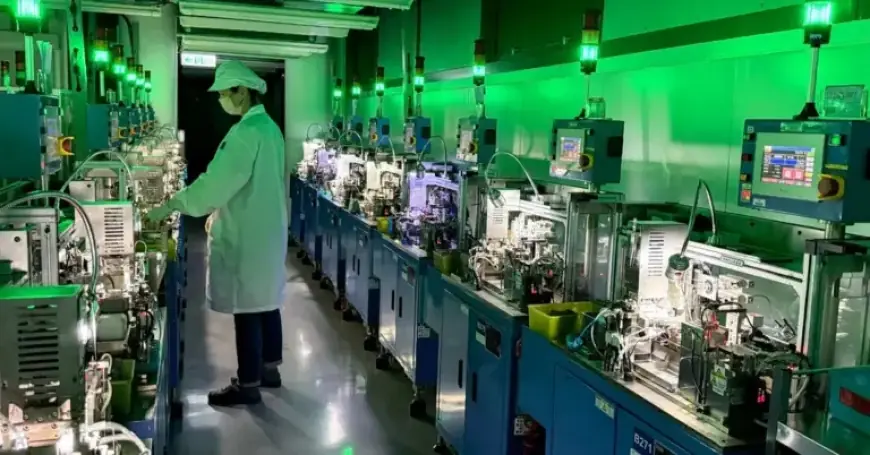
The United States and Taiwan have established a significant trade agreement aimed at bolstering semiconductor and technology manufacturing. This deal, announced on Thursday, outlines investments totaling $500 billion split between both nations. The U.S. will see a $250 billion investment in semiconductor manufacturing, while Taiwan will offer a matching amount in credit guarantees for smaller companies in the industry.
Details of the Trade Agreement
Under this arrangement, the U.S. will reduce tariffs on Taiwanese imports from 20% to 15%. This decision follows extensive negotiations involving Taiwanese leaders, including Vice Premier Cheng Li-chiun and chief trade representative Yang Jen-ni. They attended multiple meetings in Washington and conducted numerous online discussions.
Impact on Taiwan’s Economy
Taiwan’s economy is heavily reliant on exports, with the United States emerging as the largest buyer, surpassing China last year. The island is renowned for its production of computer chips and electronics, with these sectors driving significant export revenue. Steel products and metal fasteners such as screws and bolts are among other critical exports to the U.S.
Semiconductor Sector Focus
- The U.S. has prioritized bringing semiconductor production to its shores.
- Commerce Secretary Howard Lutnick emphasized the need for self-sufficiency in semiconductor manufacturing.
- Assistance from the U.S. includes resources like land, infrastructure, and tax incentives for Taiwanese firms.
A key provision allows Taiwanese companies with semiconductor facilities in the U.S. to import chips without tariffs, contingent upon their production capacity. Taiwan Semiconductor Manufacturing Company (TSMC), the world’s largest chip maker, will contribute $100 billion toward expanding its operations in Arizona, an investment that factors into the broader $250 billion commitment.
Ongoing Developments
TSMC has already acted on this commitment by purchasing additional land in Arizona to establish new factories, referred to as fabs. This bold move has incited discussions about the implications for Taiwan’s economy and its sensitive geopolitical position, especially given threats from China regarding its territorial claims over the island.
The contours of this trade deal not only enhance U.S.-Taiwan relations but also aim to secure a more stable and self-sufficient semiconductor supply chain within the United States.