



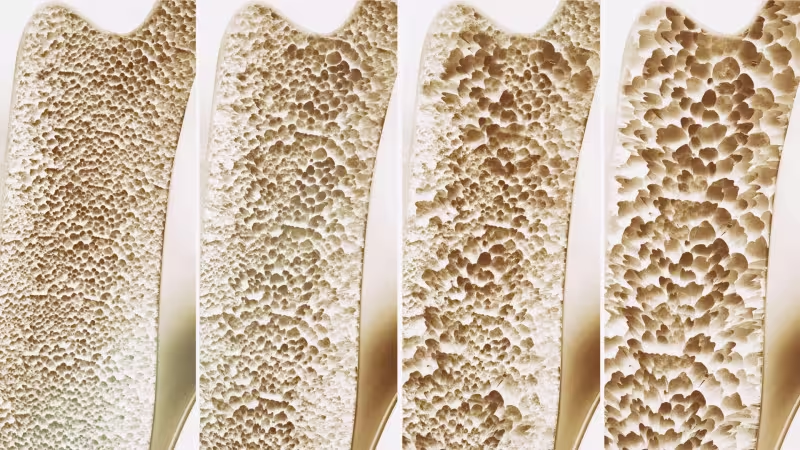
Calcium supplements, vitamin D supplements and taking both together offer little to no clinically meaningful protection against fractures or falls for most older adults, according to a comprehensive review published in The BMJ.
Researchers in Canada analyzed 69 randomized controlled trials involving 153,902 adults and found little to no reduction in overall fracture risk from calcium alone, vitamin D alone or the combination. The review also found little to no benefit for hip fractures or for preventing falls, undercutting a long-standing assumption that more supplementation means stronger bones and fewer injuries.

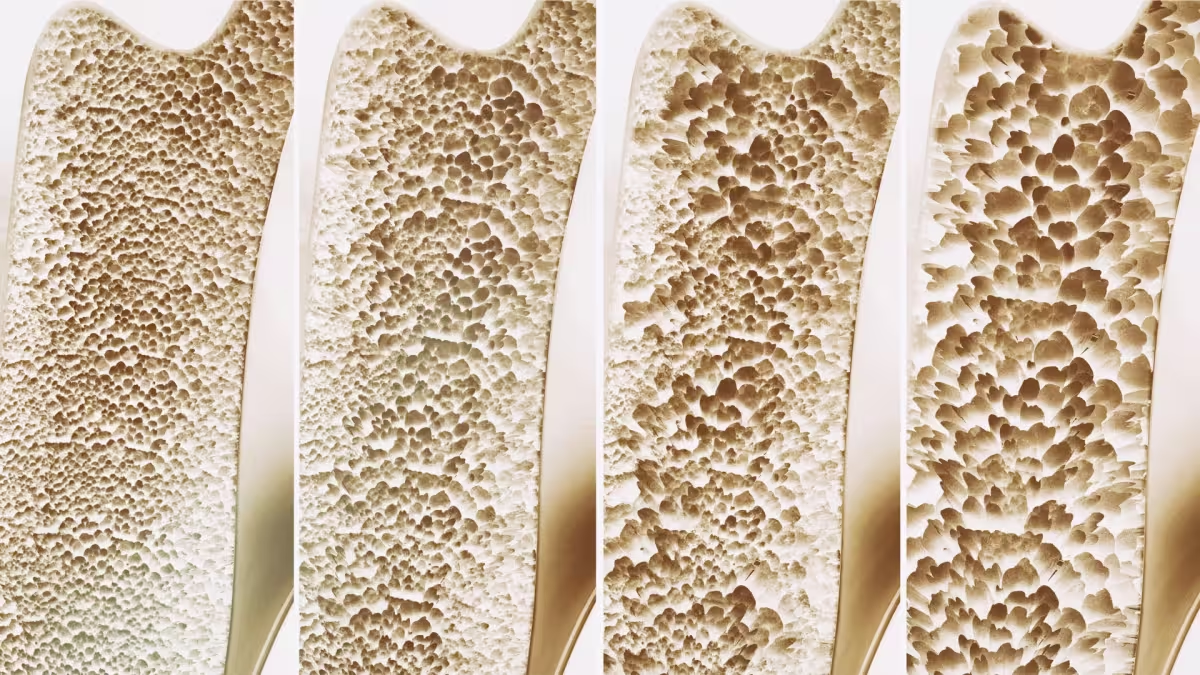
That matters because falls are one of the biggest health threats in later life. Nearly one in three people age 65 and older falls each year, and many of those incidents lead to fractures. Calcium and vitamin D have remained common recommendations for bone health, even as earlier reviews had already started to question how much they actually help.
The scale of the evidence was substantial. The trials compared calcium, vitamin D or both against placebo or no treatment, including 11 trials with 9,067 participants on calcium, 36 trials with 92,045 participants on vitamin D and 15 trials with 51,126 participants on the combined approach. Even with that breadth of data, the results did not shift enough to support routine use for fracture or fall prevention in most older adults.
The review leaves open a narrower question: whether the findings apply to people with certain bone disorders or to those receiving medication for osteoporosis. For the broader group that has been advised for years to take calcium, vitamin D or both as a basic bone-health step, the evidence now points away from routine supplementation, and clinicians, guideline panels and regulatory agencies may have to decide whether their general recommendations still fit the data.



