
Skyscanner's new analysis found that fans traveling to some World Cup host cities could save hundreds of dollars compared with other venues — a finding that matters whether your ticket is for Levi Stadium or another stop on the schedule.
The headline here is simple and concrete: not all World Cup destinations come with the same price tag, and the difference can amount to hundreds of dollars for a traveling fan. The analysis, published in 2026, highlights sizeable variation across host cities rather than a single uniform travel cost for the tournament.

That variation is the immediate news trigger for would‑be travelers and those planning group trips. If one city can shave hundreds off flights, hotels and incidental expenses relative to another, fans choosing where to go — or whether to go at all — will weigh those gaps alongside match schedules and seating options.
Put plainly: the analysis gives fans a market signal. It says some host cities are meaningfully cheaper. For anyone budgeting a World Cup trip, that signal should prompt a straightforward follow‑up — compare total trip costs for multiple venues before committing. A cheaper destination can make the difference between a single‑match weekend and a multi‑match itinerary.

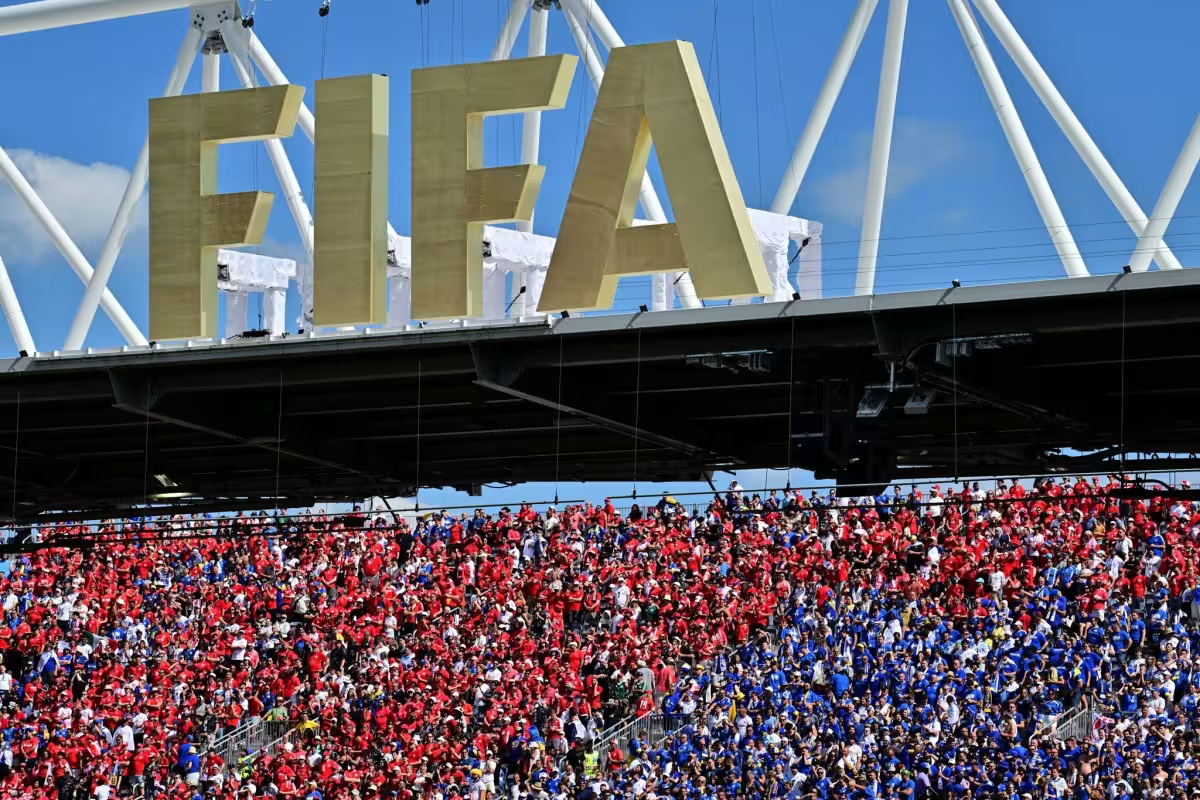

Context matters: the point is not that one stadium is cheaper than another on face value, but that aggregated travel markets differ. Airfares, hotel capacity, local prices and event‑period demand push the total cost up or down. Those mechanics mean a fan heading to Levi Stadium might pay more or less than a fan flying to another host city, depending on timing and market conditions.
The analysis delivers a useful headline number — savings measured in the hundreds — but it leaves the most actionable detail out. It does not publish a ranked list of the cheapest host cities or peg the savings to specific venues. That gap is the real snag for fans trying to convert a general finding into a travel plan: the report signals opportunity but does not say where it lives.
That omission creates a practical tension. A broad claim about hundreds in savings is meaningful only when paired with locality: which cities, on what routes, and for which dates. Without that, the finding gives planners a direction but not a map. Fans bound for Levi Stadium or any other venue still must run their own price comparisons rather than rely on a definitive cheapest‑city list.
The next step that matters to readers is clear. For fans, the responsible action is to shop across multiple host cities and build total‑cost estimates that include tickets, travel and lodging before deciding. For analysts and travel services, the missing element is a city‑level breakdown that would turn a general signal into specific, purchase‑driving intelligence. Until that breakdown appears, the headline saving — hundreds of dollars — remains an invitation to look harder, not an answer.