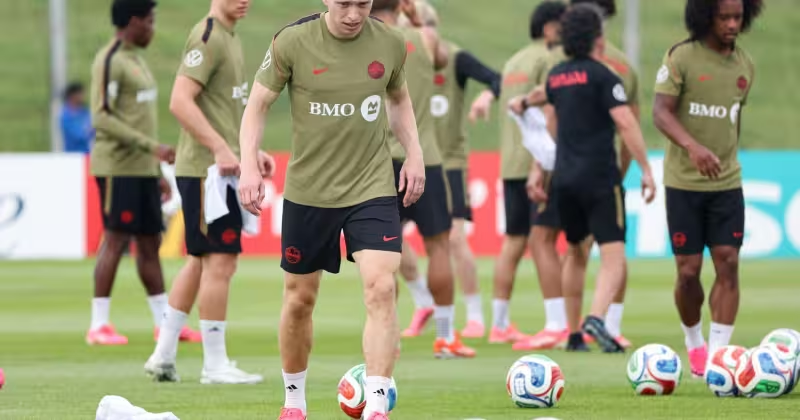
“That comes from your Canadian upbringing. I played hockey growing up, I love the physical contact” is how Alistair Johnston explained, last week in Montreal, why he expects Canada to carry a certain edge into its World Cup opener in Toronto. At 27, Johnston has been handed a role that is less about a captain's armband and more about setting a national tone.
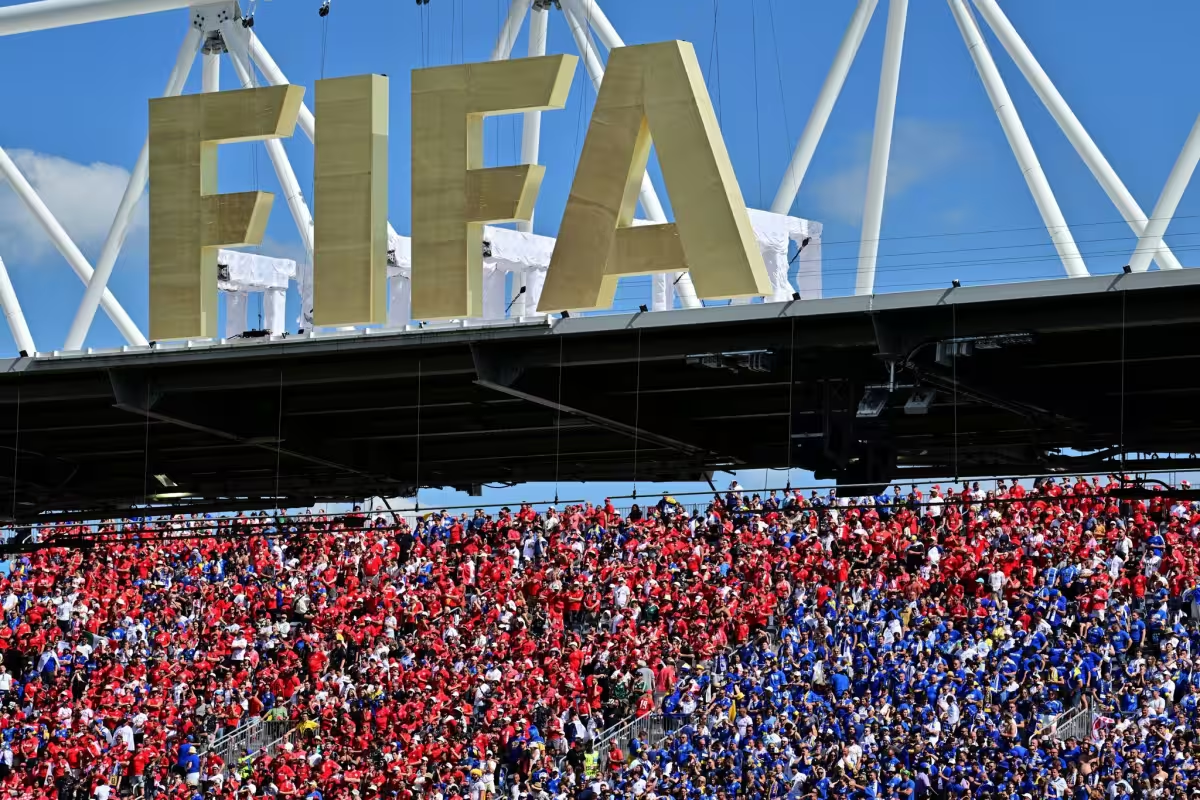
Johnston's assignment is concrete: Canada opens its World Cup campaign Friday afternoon in Toronto, and fans inside the stadium — and watching around the globe — will be watching how the team behaves in those first minutes. He is one of the players Canadians in Toronto will look to, alongside Richie Laryea, to set the tone for what is to come.

The facts behind that trust are simple and visible. This is Johnston’s second World Cup. Four years ago in Qatar he started every game for Canada. He is a right back, a member of the team’s leadership council and one of the 27-year-old core players whose presence on the field signals experience without claiming sole responsibility for the team’s fortunes.
He put the idea plainly: "I don’t like to get pushed around. But I’m not going to dive, not going to roll around. It’s so important to me how Canada is represented. We’re going to play the Canadian way: firm but fair." The line captures the posture he intends to bring — physical, uncompromising in contact, but deliberate about avoiding theatrics.

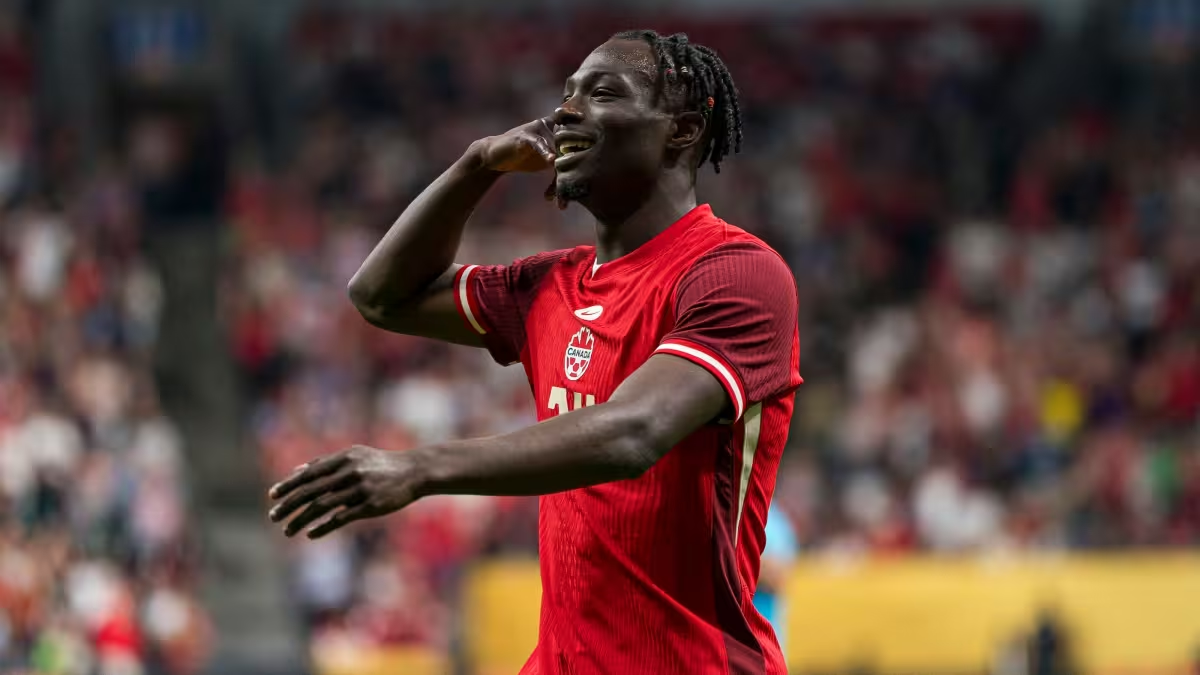
Johnston’s story is also a Canadian story. Born in Vancouver and raised in Aurora, he was at Wake Forest University when Canada won the rights to co-host this World Cup — a moment that folded his own trajectory into the larger, public moment the country now inhabits on soccer’s biggest stage. Those details matter because his public profile is not built on flash; it’s built on continuity and presence, the kind coaches and teammates point to when they talk about leadership.
That characterization—he is described as a leader in word and deed—carries a subtle friction. Johnston is not Canada’s captain or vice-captain. He is not billed as the team’s best player, most important player, or most irreplaceable player. And yet the team and supporters have been asked to look to him for tone-setting in Toronto. The gap between formal title and informal influence is real, and it is intentional.
Part of the reason for that gap is tactical and cultural. Canada’s men’s program has opened up under its current coach, and the federation’s maturation means leadership is distributed rather than concentrated. Johnston occupies one of those distribution points: steady, visible, and prepared to enforce standards without seeking the spotlight.
He framed the stakes beyond tactics. "You’re not only playing for the name on the back of the shirt. It’s for a whole country, especially at a World Cup. The whole world is watching and will make assumptions on what they see: how our fans behave, how our infrastructure works," he said, connecting on-field behavior to national reputation in a way that makes his tone-setting role as much diplomatic as athletic.
So the immediate test is practical and proximate. On Friday afternoon in Toronto, the team’s opening actions will reveal whether Johnston’s vow — firm but fair, contact without theatrics — can be translated into eleven players moving together under a shared standard. He helped start every game in Qatar; now he must help set the first impression on home soil. How he performs in those opening minutes will tell whether informal leadership can shape the narrative more than a captain’s armband ever could.