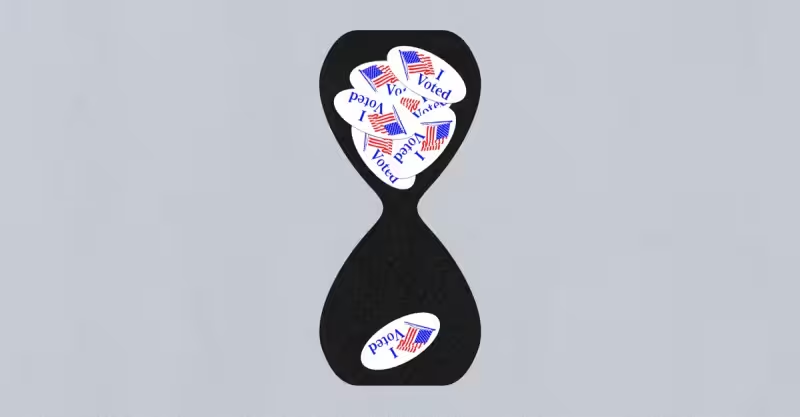
California takes its time because the state has built its election system around counting every eligible ballot, not just the ones that arrive first. Most Californians vote by mail, counties accept ballots postmarked by Election Day if they arrive up to a week later, and state officials have long favored participation and accuracy over speed.
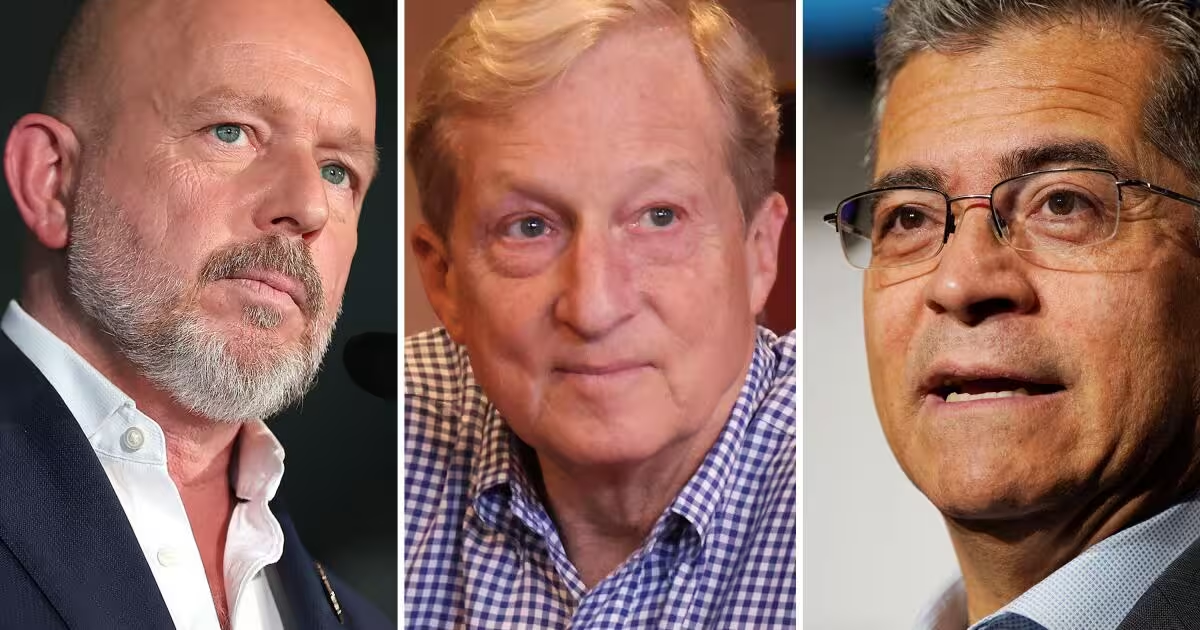
That approach can leave voters waiting. Californians learned a week after casting ballots in this month’s primary which candidates had been nominated for governor, with Xavier Becerra finishing first and Steve Hilton edging Tom Steyer for second. In U.S. House races that could help decide control of Congress, it took several days to determine who would move on, and one tight race in California stayed uncalled for nearly a month.

The delay matters beyond the state because California is America’s most populous state and its late-counted ballots have repeatedly shaped the national picture. In each of the past two congressional elections, the country waited more than a week to find out which party would control the House while California and other western states finished counting mail ballots. The slow pace is part of the system, but it has also become part of the politics around the system.
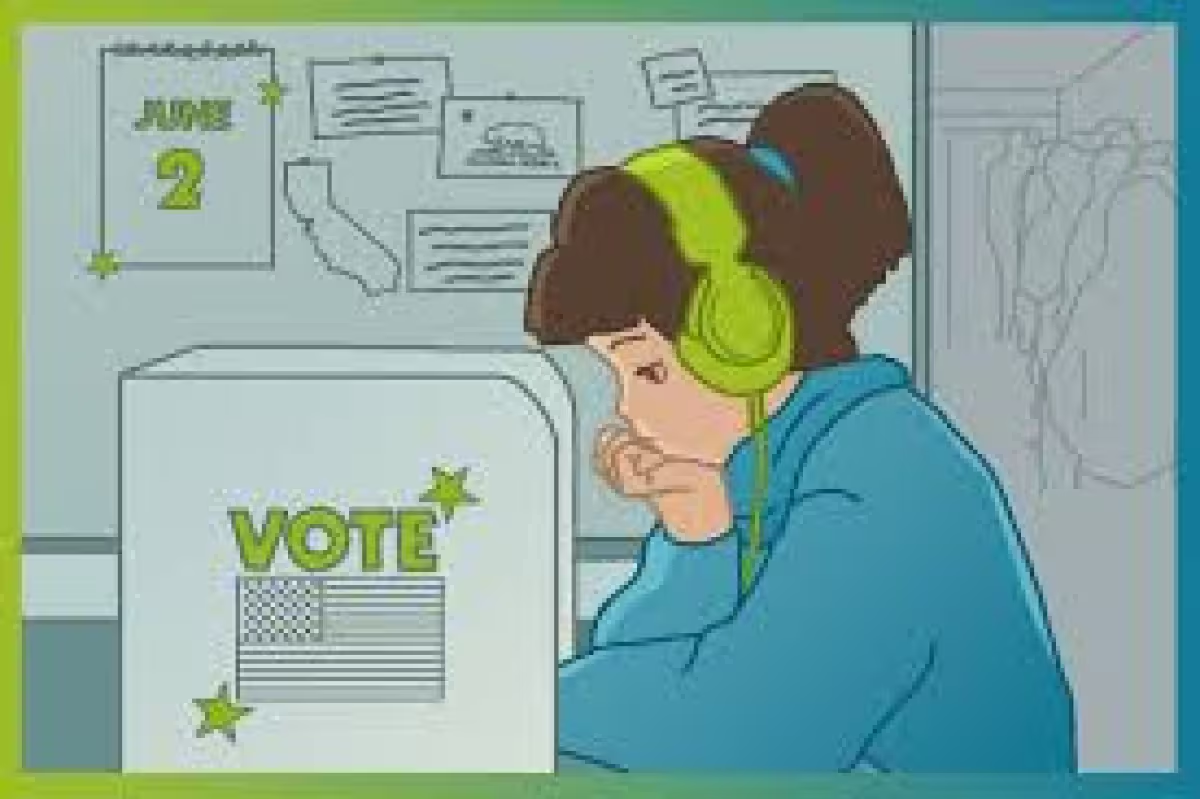
President Trump has made baseless claims of fraud in California’s vote for nearly a decade, and he revived them last week. Over the weekend, he raged about the state’s “rigged” primary and stormed out of an interview on NBC’s Meet the Press. Top Republicans, including House Speaker Mike Johnson, have joined him in sowing doubts about California’s elections, even as the first ballots counted in many areas have tended to favor Republicans before later tallies shift the outcome.
That gap between the early count and the final result is where supporters of some candidates, including Spencer Pratt, have cried foul when later tallies left them short. California officials say the process protects participation and accuracy, but Democrats worry the fraud claims are being laid now as groundwork for November, when another slow count could decide major statewide and congressional races and invite a fresh challenge to the results.
The latest sign of concern came after Trump began attacking California’s elections anew last week, when the U.S. Attorney’s Office for the Central District of California dispatched an official to observe Los Angeles County. California will keep counting the same way, but the larger question is whether the state’s long-standing method becomes a target in November if close races again take days or weeks to settle.