



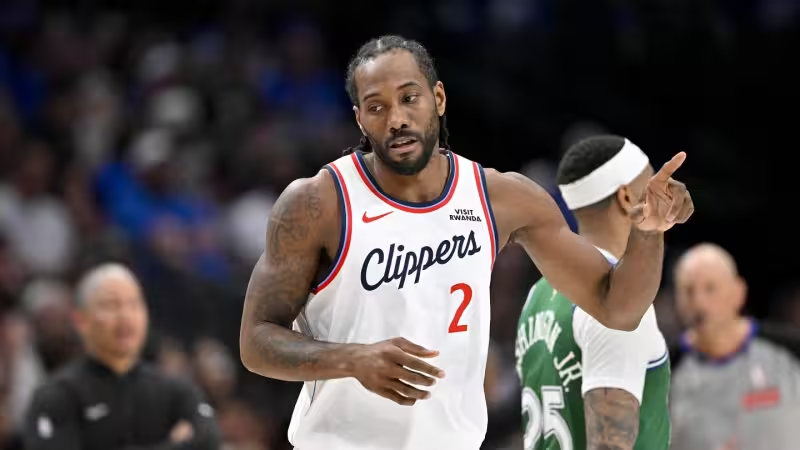
The Los Angeles Clippers have been linked to a potential trade for Michael Porter Jr. as a prospective third star beside Kawhi Leonard and Darius Garland, a move that would reshape the roster this offseason.
Michael Porter Jr. is with the Brooklyn Nets and enters the final year of his contract next season, scheduled to earn $40.8 million; the Nets are presumed unlikely to offer him a long-term extension, which would make him a viable trade chip. The Clippers possess the No. 5 pick in the 2026 NBA Draft, multiple future first-round picks they can deal, some cap space this summer and matching salary room — including a Brook Lopez team option they could exercise — that together give Los Angeles the flexibility to pursue a splashy upgrade. A sign-and-trade that includes Bennedict Mathurin has been floated as one mechanism to make the math work.

General manager Lawrence Frank has publicly signaled a desire to build a contender around Kawhi Leonard and Darius Garland; that pairing is the stated blueprint for the franchise’s next move. Those intentions are concrete enough for the Clippers to shop veteran assets and leverage draft capital, but the plan collides with a bigger unknown: Kawhi Leonard’s future with the team is not settled. The organization’s choices this summer hinge on two linked variables — the outcome of a league investigation and Leonard’s own wishes.
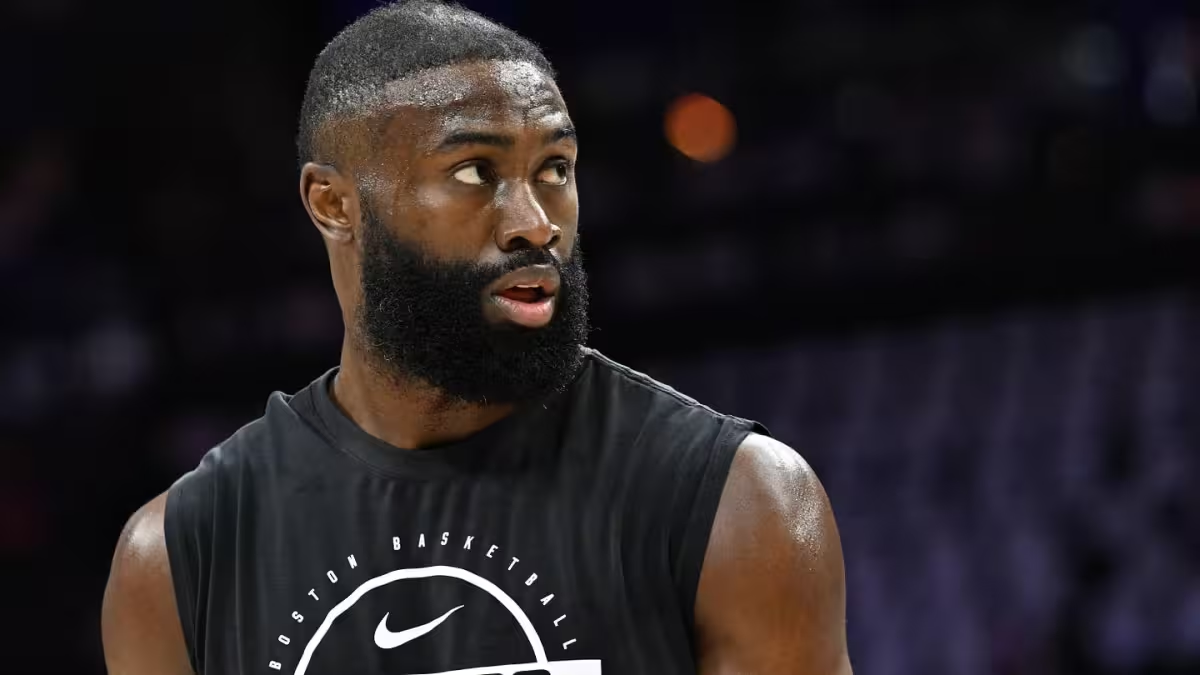
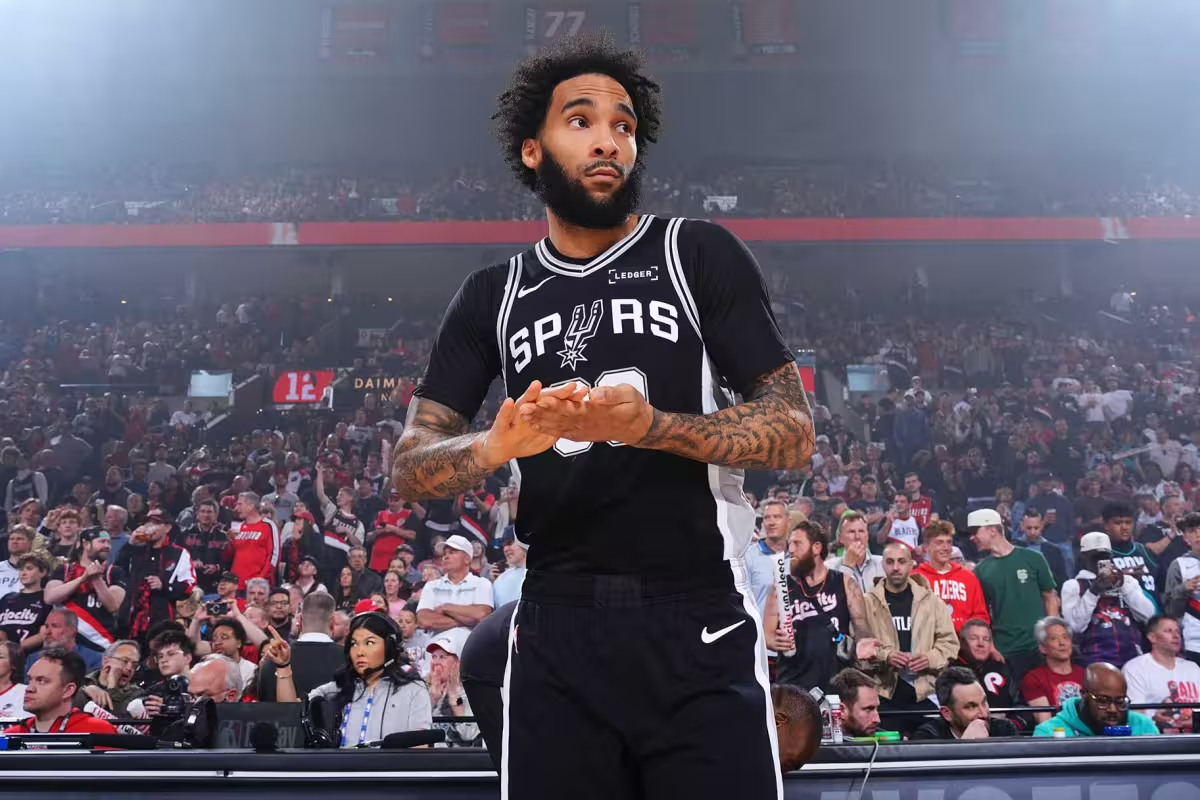
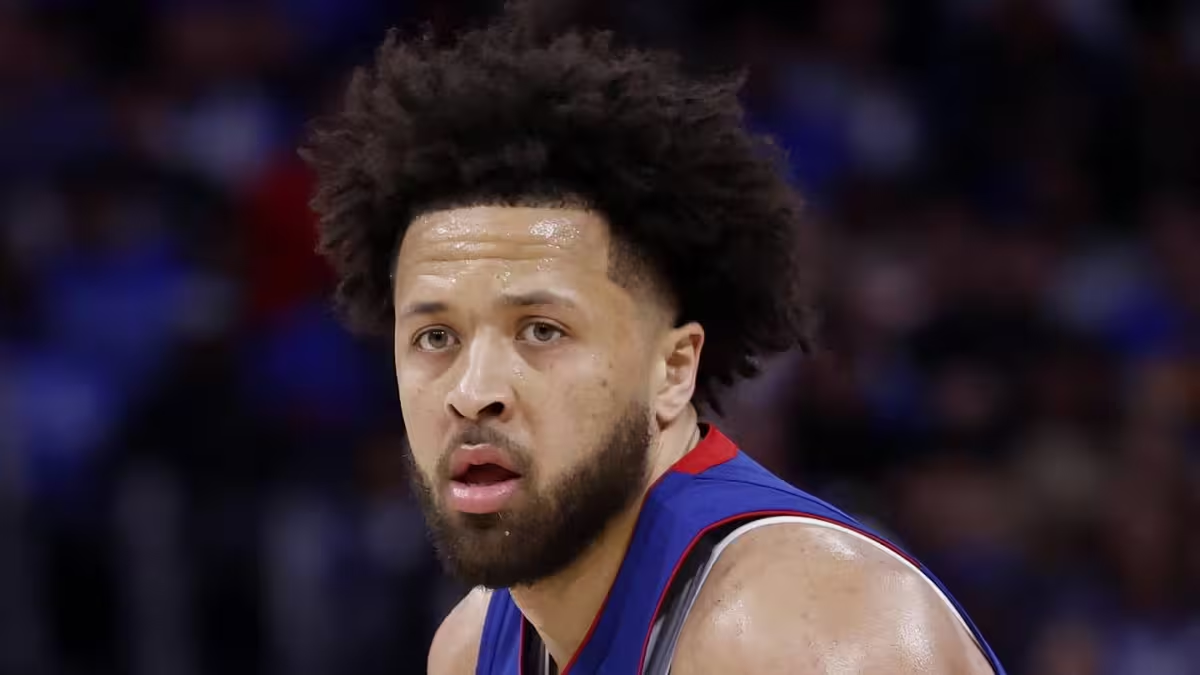
That uncertainty is the clearest friction in any hypothetical pursuit of Porter Jr. The Clippers can assemble matching salary, draft picks and some rookie cost-controlled pieces, but committing core assets to land a high-priced scorer assumes Leonard will remain the team’s franchise anchor. If the investigation drags on or Leonard signals a desire to leave, the rationale for mortgaging future picks or swapping contributors dissolves. Conversely, waiting for absolute clarity risks losing trade partners or missing windows to acquire players still under contract.
The mechanics under discussion are straightforward on paper: the Clippers’ cap space and a Brook Lopez option create immediate matching dollars; multiple first-rounders and the No. 5 pick make attractive currency for Brooklyn; and a sign-and-trade wrapping in Bennedict Mathurin could smooth salary and roster fit. Those pieces matter because Porter Jr. would arrive on a one-year, $40.8 million price tag — a number that eats into flexibility and raises questions about long-term roster balance. There is also a practical roster cost to consider: losing role players such as Derrick Jones Jr. would weaken depth and defensive versatility, a tangible downside to any deal that prioritizes star scoring.
For now the Clippers’ posture is exploratory. They have the draft capital and salary mechanisms to pursue Michael Porter Jr., and Lawrence Frank’s stated blueprint centers on building around Kawhi Leonard and Darius Garland. Still, the franchise will find it difficult to choose a definitive path until it knows more about the league investigation and about Leonard’s intentions. That leaves a clear open question for the franchise and its rivals: will the Clippers use this summer to make a decisive upgrade around Leonard, or will they hold fire until the uncertainty surrounding Leonard is resolved? The answer will determine whether talk of Porter Jr. becomes an executed trade or remains the most concrete option on a long list of possibilities.



