



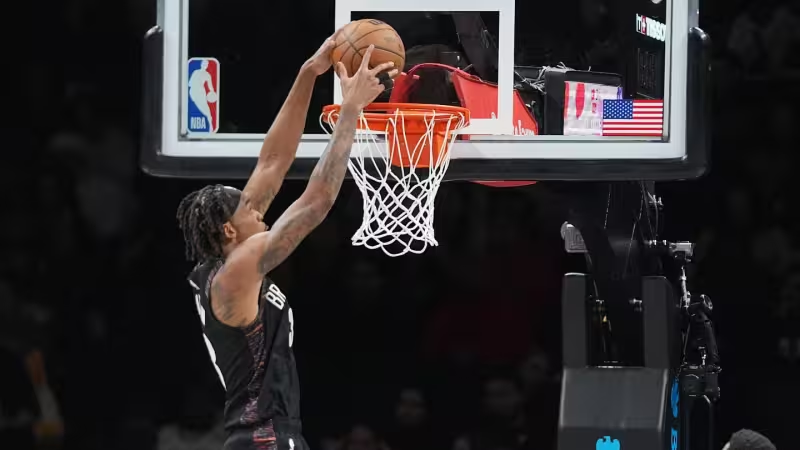
The Brooklyn Nets are examining an offseason trade framework that would send center Nic Claxton to the Minnesota Timberwolves in a package that could bring Rudy Gobert to Brooklyn.
Claxton, Brooklyn’s longest‑tenured player before the offseason, averaged 11.7 points last season and is set to make $23.2 million next year — facts that make him a plausible centerpiece in return for a proven veteran. Minnesota’s Gobert, a four‑time Defensive Player of the Year, is seven years older than Claxton; moving Gobert would save the Timberwolves about $7.8 million in the short term while giving the Nets a blue‑chip rim protector who could keep them competitive immediately.

Eamon Cassels of Dunking With Wolves sketched the matchup as a realistic possibility, saying Brooklyn could acquire a veteran with deep playoff experience and arguing that, if the Timberwolves trade Gobert, they must land a dependable big man or push reserve options into uncomfortable roles. Cassels also singled out Claxton as his top realistic replacement option for Minnesota.
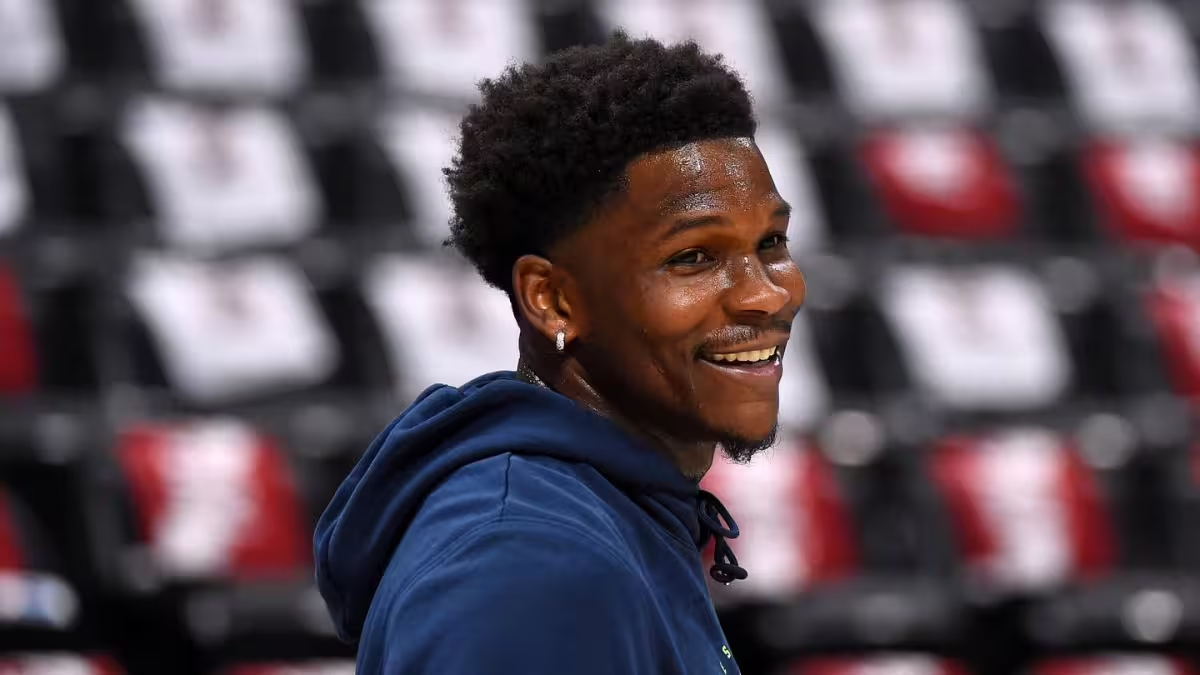
From Minnesota’s angle, Claxton’s game addresses clear needs. His playmaking as a rolling and popping center can operate at the elbow to unclog driving lanes and cutting angles for Anthony Edwards, and would immediately bolster Minnesota’s interior offense. Pairing Claxton with perimeter defenders Jaden McDaniels and Edwards projects as a swarming unit that could change how the Timberwolves guard space around the rim.
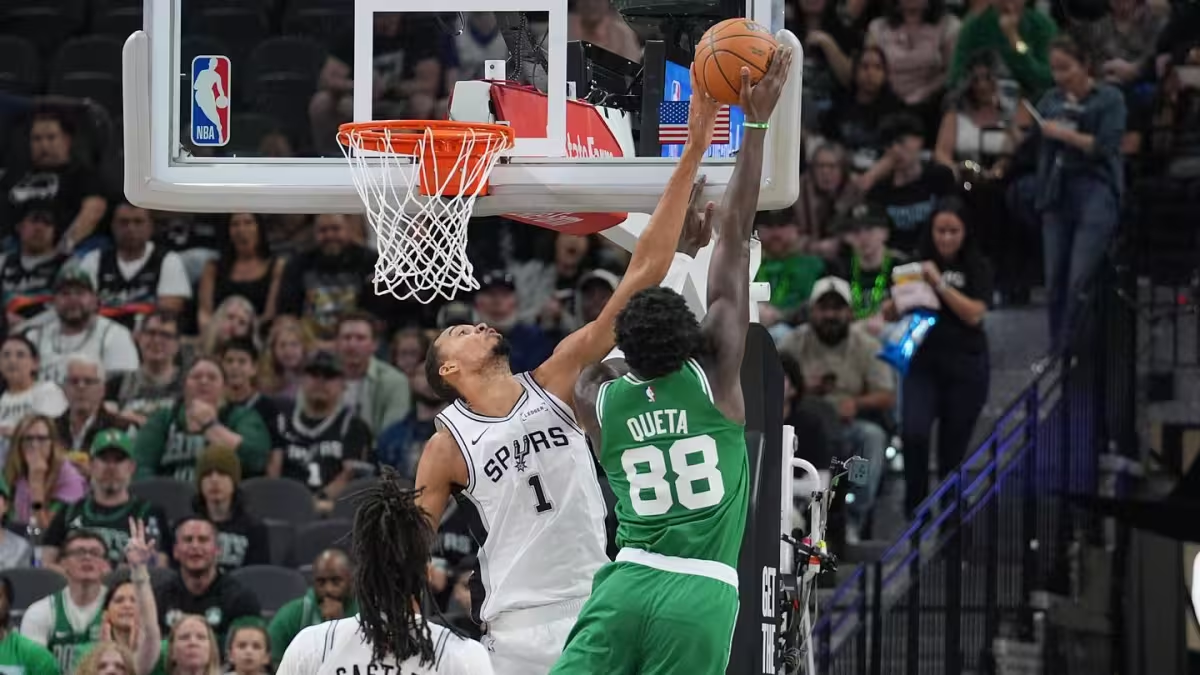
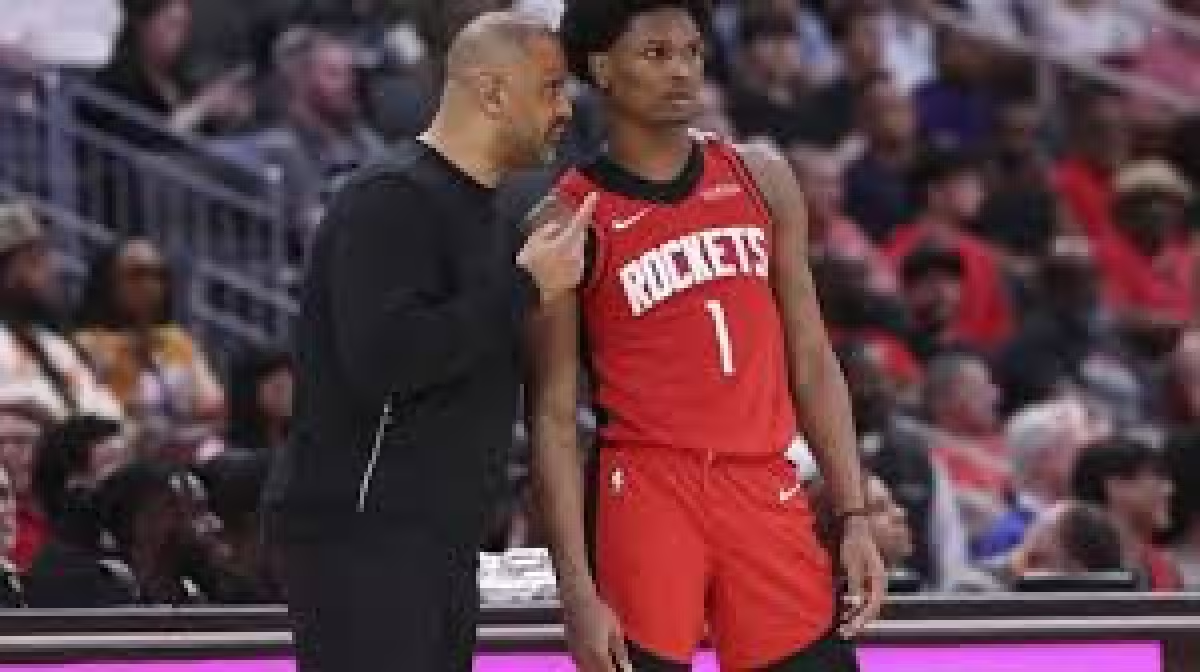
For Brooklyn, the choice is less tidy. Gobert’s presence would raise the Nets’ defensive floor, and his reputation could make him a tradable asset later; it would also create more playmaking reps for wings and forwards such as Egor Dëmin and Nolan Traoré. But taking on Gobert’s contract without first‑round draft currency would reduce the Nets’ flexibility — Brooklyn does not currently hold its first‑round pick, a detail that could push the team to demand additional draft capital from Minnesota in any exchange.
The Timberwolves are already expected to pursue roster changes this summer, and names such as Julius Randle and Gobert would not surprise observers as trade candidates. If Minnesota parts with Gobert, it would need a dependable big to plug into the rotation immediately — a role Cassels framed as exactly the kind of job Claxton could fill, rather than relying on options like Joan Beringer or forcing Naz Reid to play out of position.
The sticking points are concrete: matching salaries, how much draft compensation Minnesota would be willing to surrender, and whether the Nets are prepared to trade a younger, ascending center for an older veteran who drains future flexibility. Brooklyn may press for draft picks if it adds Gobert’s deal; Minnesota can point to a modest payroll relief in a Gobert trade and to Claxton’s fit next to Edwards.
No negotiations have been announced, and the next step is straightforward — whether Brooklyn and Minnesota open formal talks and can bridge the gap between a contending team’s short‑term upgrade and a rebuild‑leaning club’s demand for future assets. How the Nets answer that choice will tell whether they push to remain immediately competitive with a veteran like Gobert or use Claxton to extract draft capital and lean toward a longer build; either decision would reshape both rosters heading into the summer.
Brooklyn’s draft situation and related intrigue have already been a beat (see coverage of Nets linked to Nate Ament at No. 6: and other roster stories are moving across the league this offseason (for instance, a separate FilmoGaz item on Katie Volynets and Kim Clijsters’ coaching return:



