
The Carolina Hurricanes completed a comeback in overtime to win Game 2 of the 2026 Stanley Cup Final when Jarvis buried a game-winning power-play goal, evening the series after Vegas had taken Game 1.
The Mic Drop highlight package published by NHL.com stitched together the decisive moments: Howden opened the scoring and finished with two goals, including a shove-to-the-net effort; Stankoven added a third-period tally; Staal gave Carolina the lead with a tipped-in power-play strike; Jankowski answered with an equalizer from the slot; Stone forced overtime by tossing in a rebound; and Hart denied Svechnikov on a late rebound attempt before Jarvis struck on the power play to end it.

The package concentrated on discrete plays rather than a play-by-play. It packaged the scoring swings — lead changes, a tying goal, a late save and an overtime finish — into the short, showpiece format fans expect from a Mic Drop, and it included highlights labeled VGK@CAR, SCF, Gm 2.
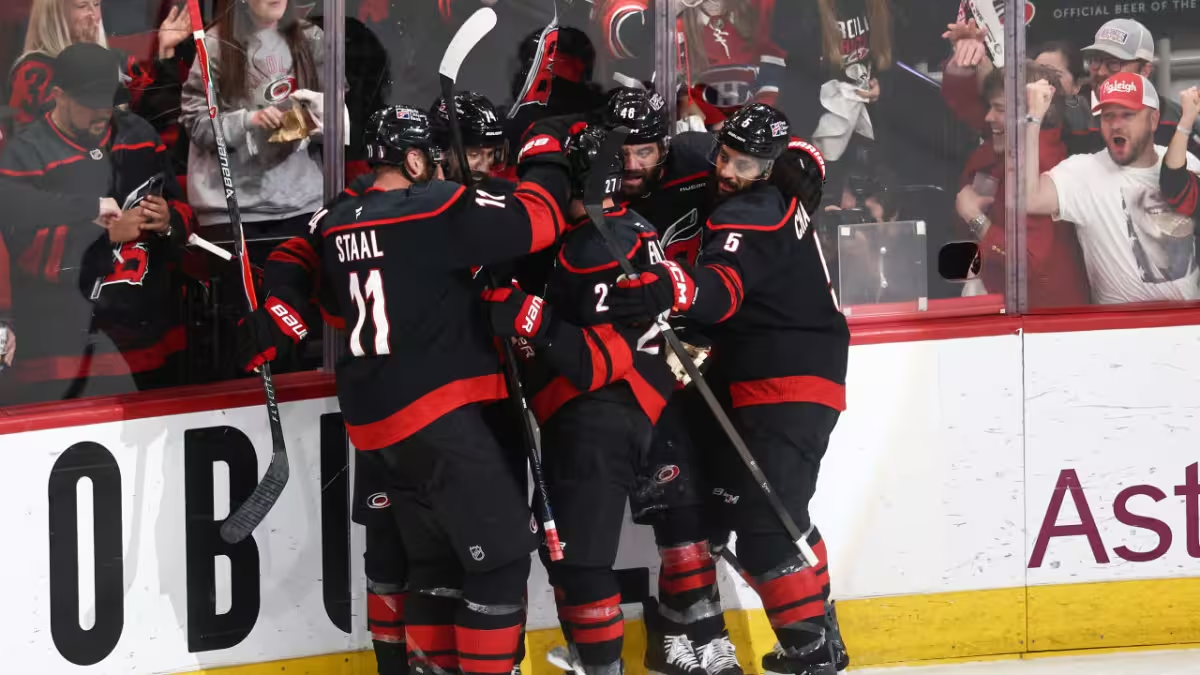


The narrative that emerges from those clips is one of matching comebacks: Vegas answered in Game 1 with its own late rally, and Carolina answered back in Game 2. That back-and-forth left the Final with no clear momentum swing after two games; the series stands tied, and both clubs can point to late-game resilience as evidence that neither advantage will be easy to hold.
The Mic Drop also pointed viewers forward: alongside the Game 2 highlight reel it referenced a Game 3 preview, signaling what matters next in the matchup. The decisive, game-ending power-play goal by Jarvis underlines special teams as an immediate area to watch — both as a source of sudden victory and as a possible matchup lever for coaches plotting adjustments before the next meeting.
For now the record is simple and immediate: Vegas won Game 1, Carolina won Game 2 in overtime, and the series continues. The most consequential question after a pair of comeback games is obvious and narrow — which team will convert that late-game capacity into consistent control in Game 3?