



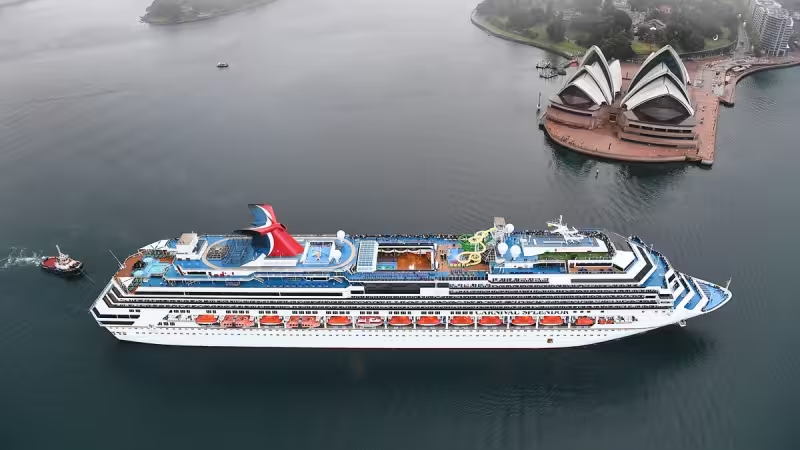
Carnival Cruise Line is warning passengers headed to Lifou in New Caledonia to dress modestly ashore, saying swimsuits belong on the beach or by the pool and not in markets, churches or other public places. The guidance applies on every voyage to the island and tells guests they could face fines, be turned away from attractions or run into other trouble if they ignore it.
The message is blunt because Lifou is not being treated like a typical resort stop. Carnival describes it as a tribal island with proud indigenous people and communities that are highly religious in many cases, and says respect for local customs matters. That means traditional one-piece or full-piece swimsuits at the beach, no bikini, monokini, thong or G-string styles, and casual clothing such as shorts and a shirt or cover-up when visitors go inland.

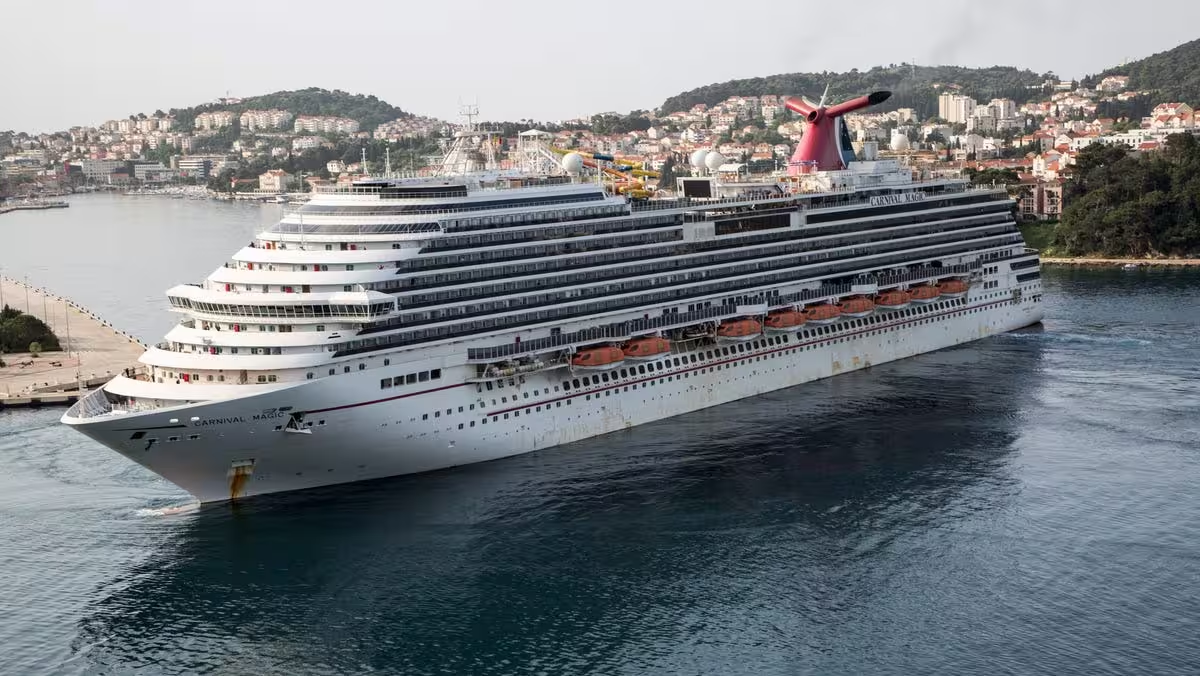


The warning fits a wider pattern across cruise destinations, where local rules can be stricter than what passengers expect on board. Camouflage clothing is illegal in countries including Jamaica, Barbados and Saint Lucia, and cruise operators say those restrictions exist because governments want military colors reserved for service members. In parts of Italy, Greece, Turkey, Israel and much of Southeast Asia, visitors may also be expected to cover shoulders and knees in churches, mosques, temples and monasteries, while hats may need to come off and head coverings may be required in some religious sites.
Travel adviser Susan Guthrie said the safest approach is to research each port before departure and pack a few modest options that can work ashore. She said what is fine on a pool deck is not always fine in port, and noted that in Spain, Croatia and some Mediterranean resort towns, walking through city centers in only a swimsuit can be seen as disrespectful and may even lead to fines in some municipalities. Joanna Kuther said jail time is unlikely, but travelers may still be fined, have camouflage clothing taken by authorities in some destinations, or be denied entry to attractions and shore excursions if they are not dressed appropriately.
That gap between policy and practice is what makes the Lifou warning matter. Carnival says the dress code is essential and that non-compliance could compromise its ability to keep the island on future itineraries, but cruise passengers have still been seen ignoring similar advice in the South Pacific, including wearing g-string bikinis after being told to cover up. For now, the company is relying on pre-cruise documents, mobile apps, port talks and other notices to get the message across before guests step ashore.



