



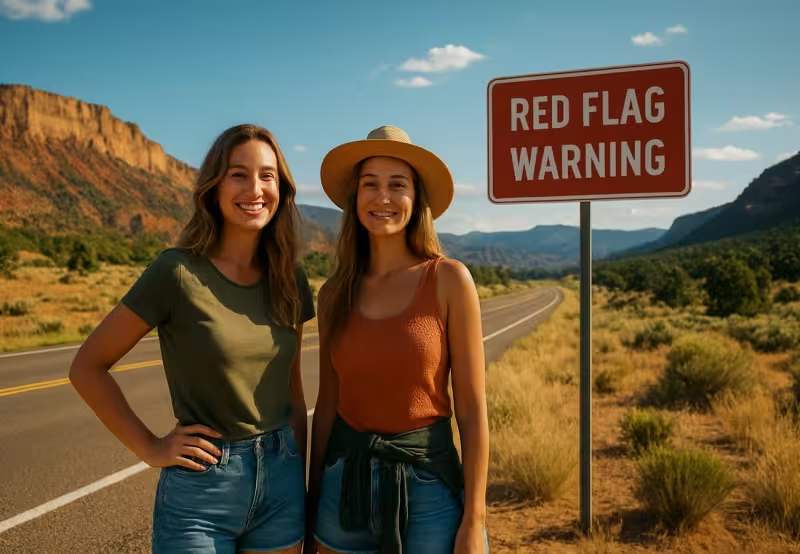
The National Weather Service issued Red Flag Warnings Thursday afternoon across at least five fire weather zones in western Colorado and eastern Utah, signaling conditions that can turn a spark into a fast-moving fire. The alerts covered parts of Colorado's Little Snake and White River areas and Utah's Eastern Uinta Basin and Book Cliffs.
For people planning summer trips, the warning landed with immediate force. Tourism operators in Moab, Aspen, Grand Junction and Park City were already reporting cancellations as visitors reconsidered road trips, hikes and camping plans in a region where scorching temperatures, dangerously low humidity and gusty winds can combine to make outdoor recreation risky in a matter of hours.


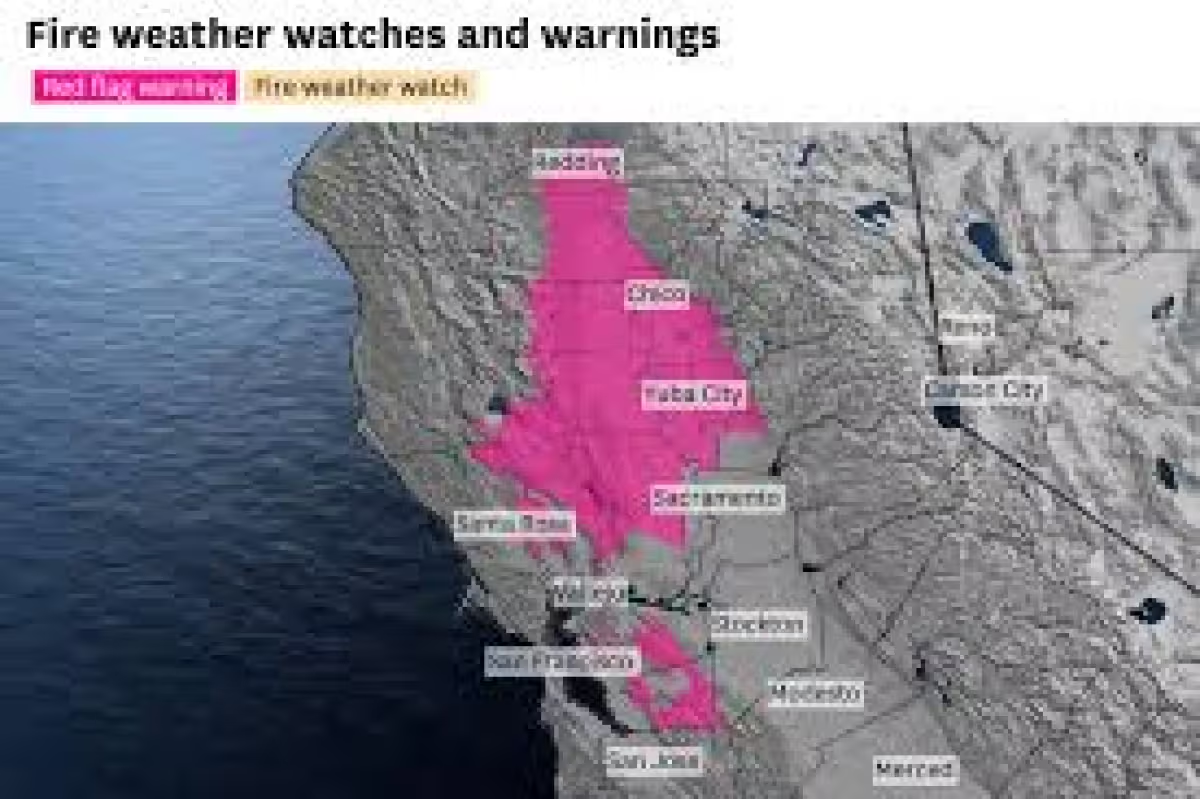
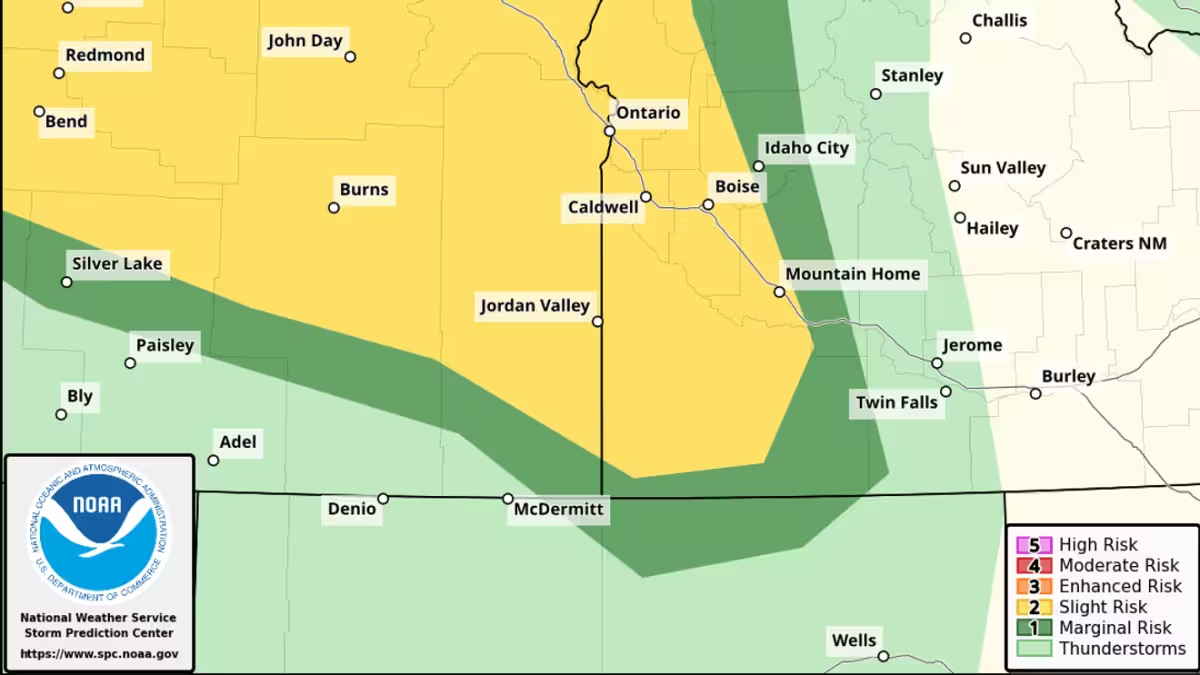
A Red Flag Warning is not a fire report. It is a predictive alert, issued when the weather is ideal for fire ignition and rapid spread, and that distinction matters in the West right now. Colorado and Utah are already moving through longer fire seasons that begin earlier in spring and stretch deep into late summer, while record-high temperatures, prolonged drought and massive fuel loads have pushed the traditional safe windows for outdoor activity out of shape.
The warnings also sit inside a larger problem that can outlast the weather itself. Wildfire smoke can degrade air quality across entire regions and affect respiratory health hundreds of miles from where a blaze starts, which is one reason a traveler in Salt Lake City, 200 miles away, can feel the impact of a fire threat before any flames are visible. That overlap of danger, haze and disrupted plans is what is making the current alerts more than a routine forecast call.
What remains unresolved is how long the warnings will stay in place for each zone. For now, the message from forecasters is simple: the atmosphere is primed, the fire risk is elevated across multiple zones in two states, and the summer travel season is colliding with one of the most volatile stretches of the year.



