



More than a week after a toxic tank emergency at GKN Aerospace forced a mass evacuation in Orange County, thousands of businesses were still trying to recover the sales and inventory they lost. About 5,000 businesses were told to leave, and many were only now moving from cleanup and reopening into the paperwork needed to seek help.
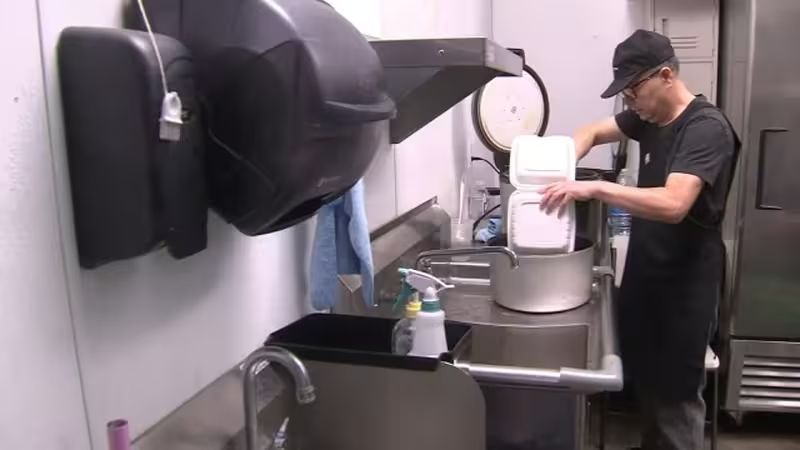
At Chic Now Hainan Chicken Rice in Stanton, Ziyu Zhang was working the counter while tallying the damage. She estimated the restaurant lost about $10,000 in sales compared with Memorial Day last year and roughly $2,000 in inventory after throwing out chicken, rice and vegetables. The restaurant cleared out on Thursday of last week and reopened a day before the interview, but Zhang said the shutdown still cut deeply into a stretch that should have been strong for holiday sales.

“We also lost like about 2K in inventory. We threw all the chicken, the rice, the vegetable, we need to prepare everything new for our customer,” Zhang said. She also said the closure came as costs were already climbing and rents were high, leaving little cushion for a small business to absorb days without revenue. In her estimate, a week off can amount to about 25 percent of a month’s sales.
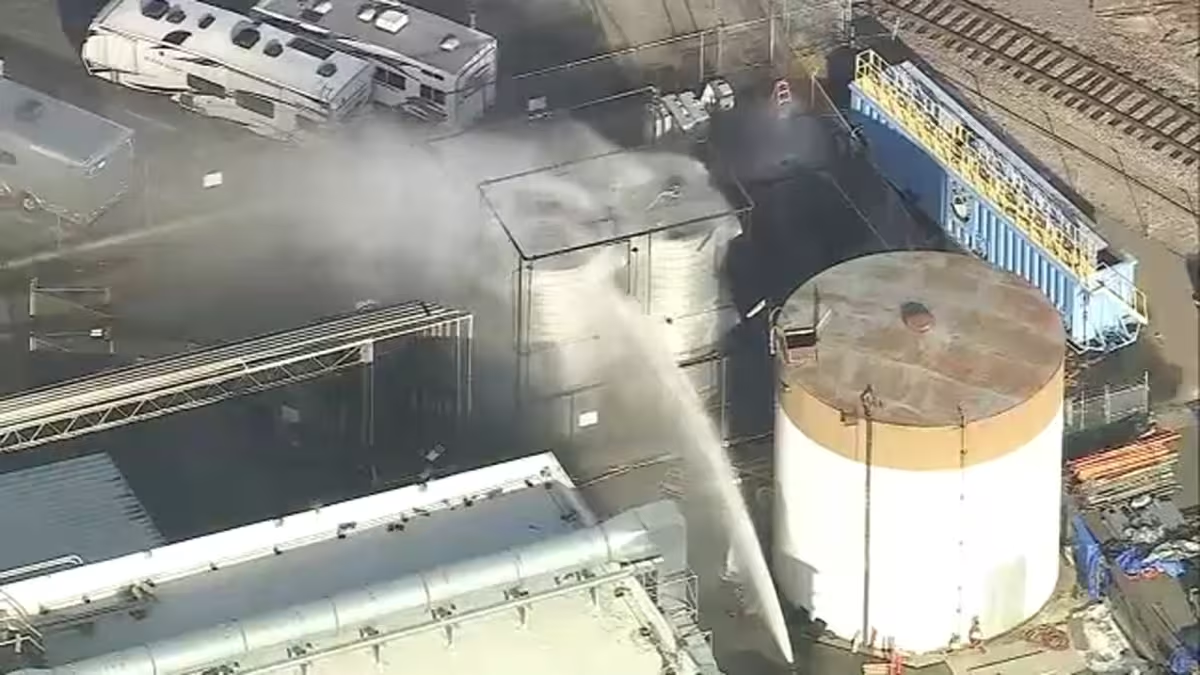
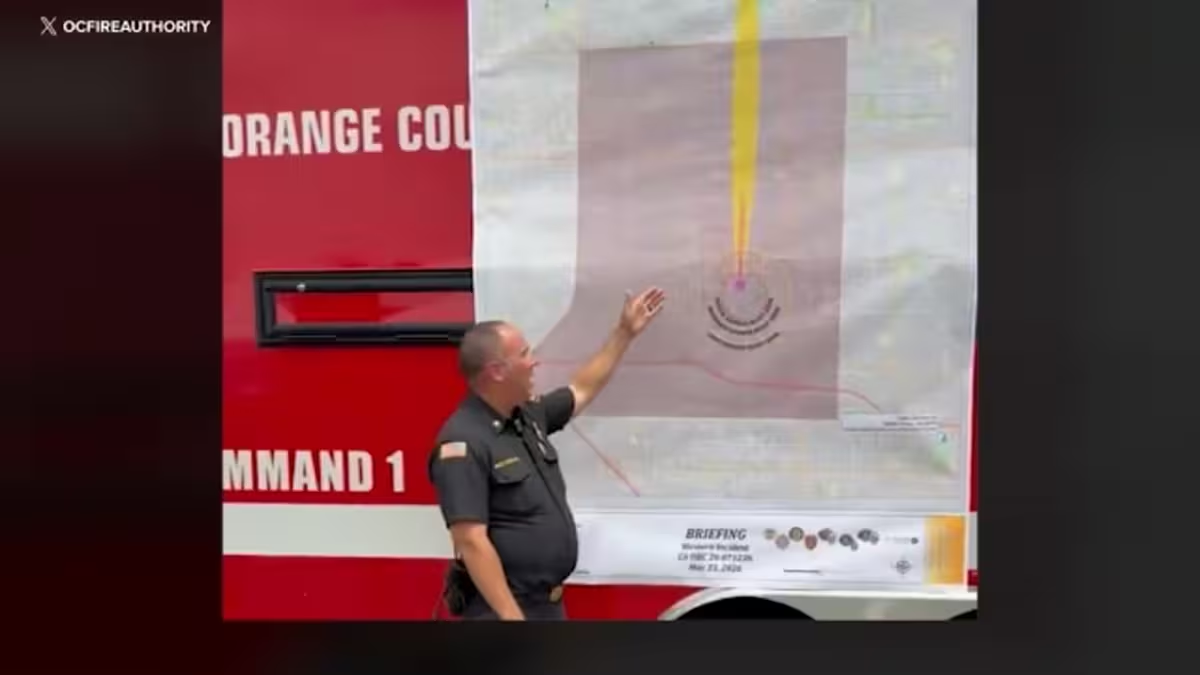
The evacuation followed fears of an explosion or toxic spill at the GKN facility in Garden Grove, where crews have now moved out of emergency response and into cleanup. The Orange County Health Care Agency is overseeing that phase, but for business owners the immediate danger passing has not ended the disruption. Small operators are still sorting through lost cash flow, spoiled stock and the forms needed to ask for reimbursement.
Orange County Supervisor Janet Nguyen said owners should fill out the SBA Economic Injury Disaster Loan worksheet and send it through the sheriff’s department so it can be submitted to the Small Business Administration. She said the goal is to keep local firms afloat after an event that hit during a busy holiday weekend. “We want to make sure our businesses survive,” Nguyen said. “It’s an unfortunate situation, something that we don’t want to happen, didn’t anticipate it.”
The unanswered question now is how much of the damage will actually be covered. The shutdown is over, but the financial fallout is only beginning, and for many businesses the next step is not recovery so much as proving the loss on paper.



