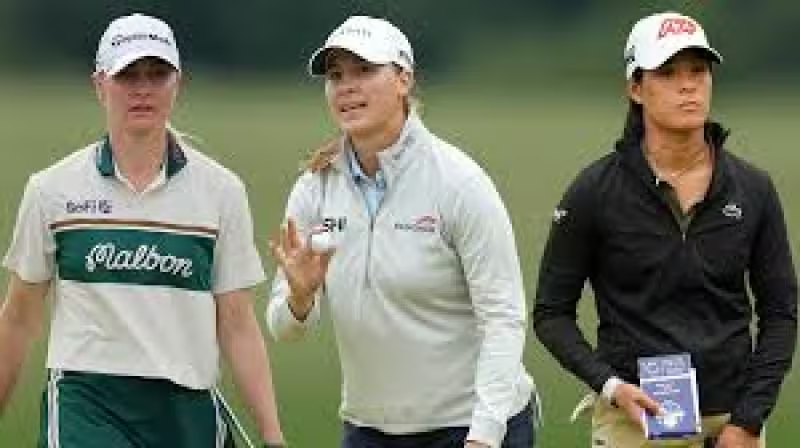
Meaghan Francella teed off at 7:20 a.m. Friday on the Bay Course as one of 144 professionals chasing a $2 million purse at the 38th ShopRite LPGA Classic being played at Seaview Hotel and Golf Club in Galloway Township.
Francella, 44 and from Philadelphia, is back in a field that first included her more than two decades ago: she turned pro in 2004 after playing collegiately at the University of North Carolina, first played LPGA Tour events in 2006, and captured the 2007 Mastercard Classic — a week that featured then-world No. 1 Annika Sorenstam in the field.

After stepping away from touring golf in 2014, Francella spent the last four years as a teaching professional at the Philadelphia Cricket Club, one of the nation’s oldest clubs founded in 1854 and a venue that hosted the PGA's Truist Championship last year. That return to competitive play this weekend offers a clear measuring stick: can time spent teaching and tinkering turn back into low scores under tournament pressure?
Francella has framed the experience of playing alongside current Tour players as an informal education. She says being around top players is a learning opportunity and that she watches what they do and takes it to the range to see if it helps her students. She also told reporters that she still feels she has “a lot of good golf left” and that she had put a significant amount of work in in the weeks before the event, adding that her body felt good and she was looking forward to competing.
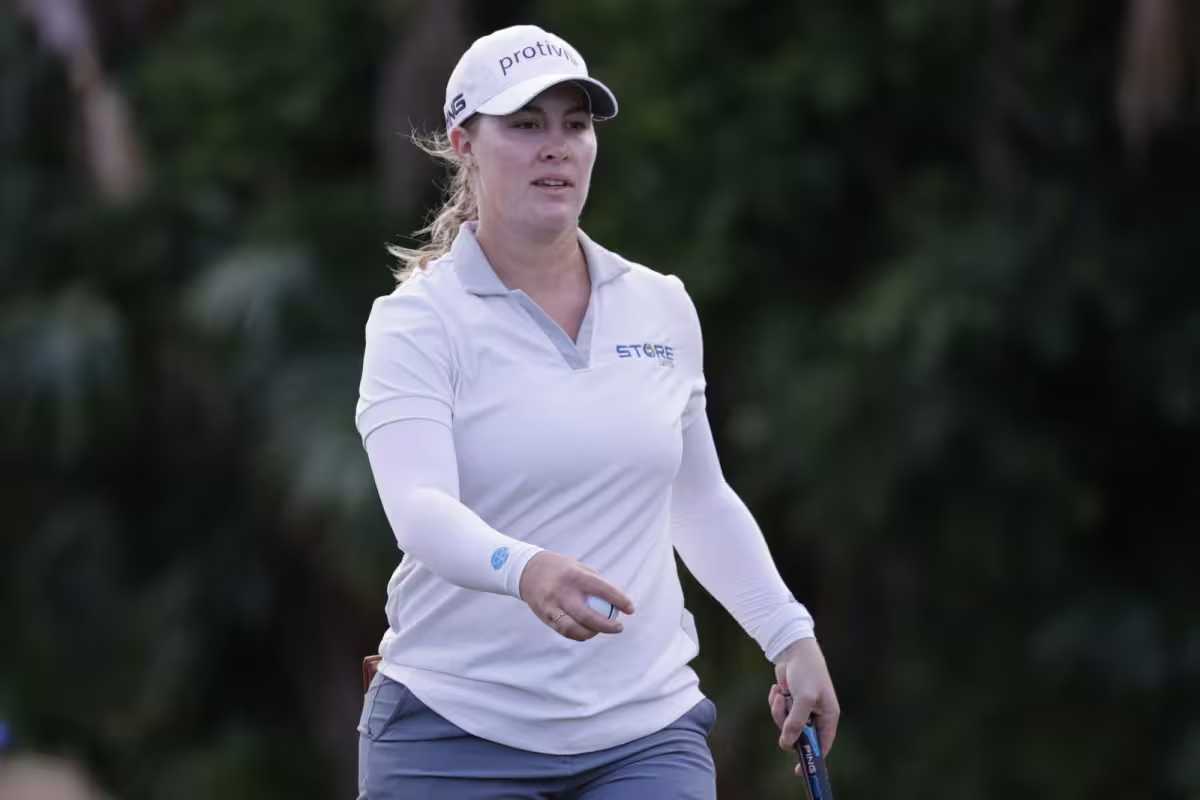
The ShopRite Classic’s field underlines the LPGA’s unusual mix of ages and career stages. Jennifer Kupcho, last year’s ShopRite champion, praised that range, noting that young players get to ask questions and receive mentorship from more experienced competitors — a dynamic that blurs the simple veteran-versus-rookie storyline and feeds both instruction and competition.
That mentoring thread runs through Francella’s current life. Players she coaches have described a shift in how they approach the game; one pupil said learning to play for fun helped her fall back in love with golf and that she aspires to compete at a high level, naming the U.S. Women’s Mid-Am as a dream. The same player credited Francella directly, saying Francella pushes her and wants her to be the best golfer she can be.
The tension at Seaview is obvious: Francella has been out of full-time tour competition since 2014, yet she arrives confident, with recent practice and a teaching calendar that keeps her close to elite play. That background gives her a different set of routines and expectations from the week-in, week-out rhythm of many Tour players, even as it supplies a deep well of technical knowledge and daily hands-on polish.
If Francella posts low scores this weekend, it will argue that high-level coaching and periodic competition can combine into a credible path back to tour success. If she struggles, it will underline how much momentum and match play experience matter on the lpga stage — and how difficult it is to convert teaching form into tournament form without sustained weeks on Tour.
Either way, Francella’s week at Seaview will be more than a personal experiment: it will test the porous boundary between instruction and elite performance on a Tour that frequently mixes established champions, mid-career returnees and hungry newcomers into the same leaderboard.