



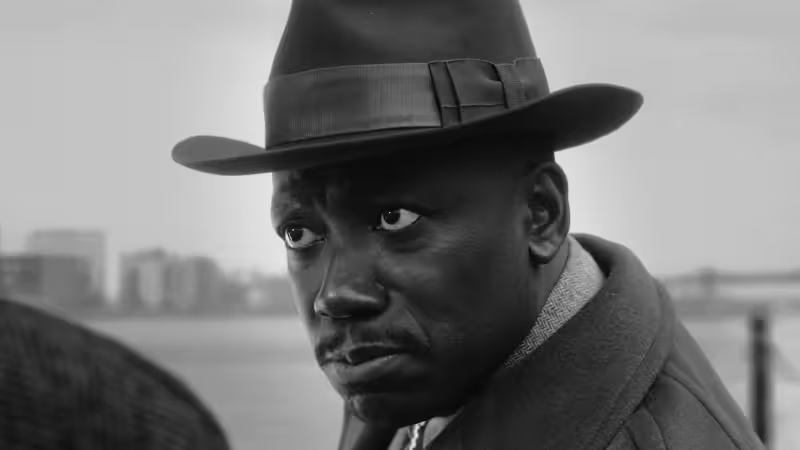
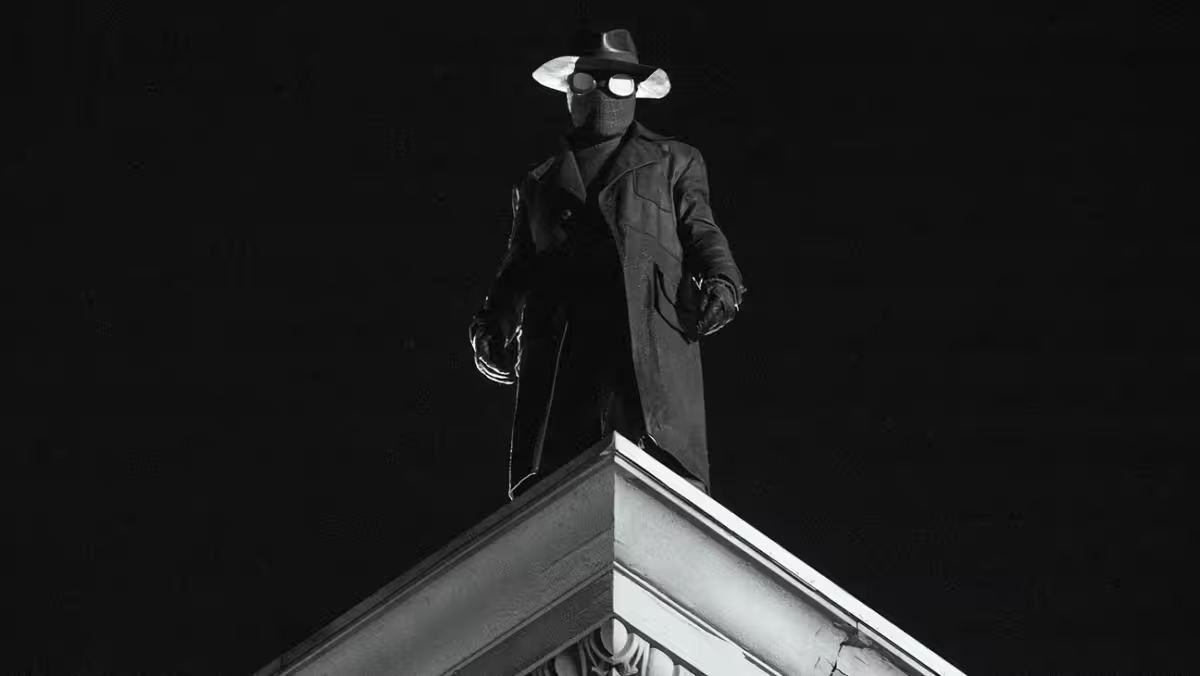
Lamorne Morris appears in the Season 1 finale of Spider-Noir dressed as The Spider, barging in to stop Silvermane’s attempt to murder Cat Hardy. The moment ends the episode with Morris’s Robbie Robertson interrupting the crime in full webbed costume.
The scene is compact but loud: it lands in the finale, it interrupts the villain’s killing blow and it places Morris physically in a Spider-Man-style suit. Morris has described the experience in his own words: "This is the very first time that I've answered this question. Period. Ever." He told reporters ahead of the series release that "it was a dream come true. Beyond anything," and that "suiting up as The Spider is crazy." While moving around in wardrobe he was heard saying, "I could get used to this!"

Spider-Noir’s finale is notable on its face — FilmoGaz frames Morris’s costume appearance as the first time a Black man wore a Spider-Man-style costume in live-action — and the episode makes the case with the visual: a reporter character, played by Morris, becomes the masked figure who stops a murder. The show stars Nicolas Cage as Ben Reilly, and is available on Prime Video and MGM+.
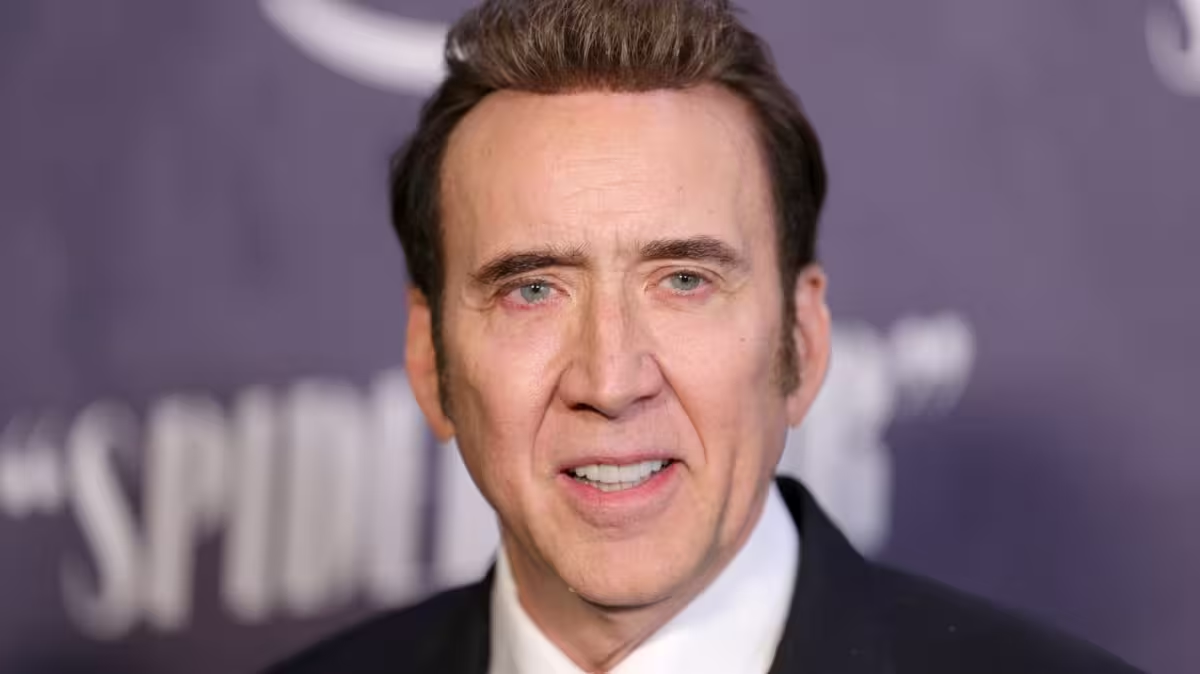
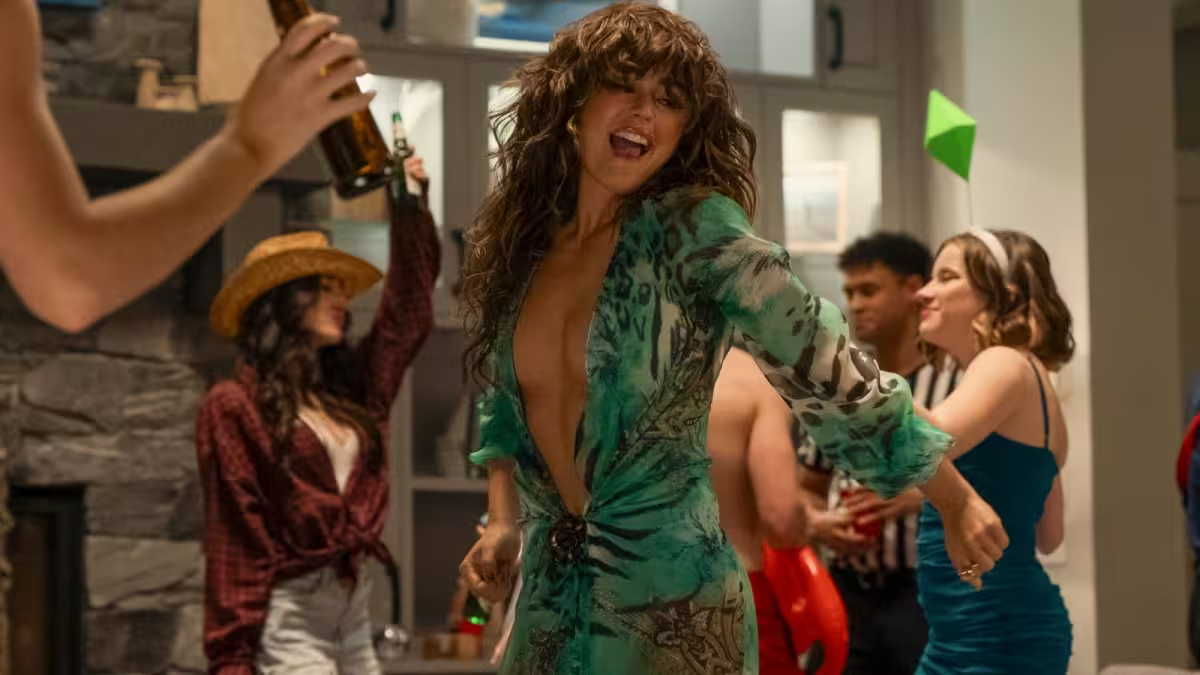
That framing sits on a long timeline of Spider-Man culture. The original Joseph "Robbie" Robertson first appeared in 1967; Spider-Man: Into the Spider-Verse arrived in 2018 with Jake Johnson voicing Peter B. Parker; and Morris made his comic-adaptation debut opposite Vin Diesel in Bloodshot in 2020. In Spider-Noir, the Robbie Robertson on screen is an ambitious freelance journalist rather than the Daily Bugle reporter of the original comics — a reimagining that lets Morris take the character in a different direction and, critically for the finale, into a costume.
The moment has built-in contradiction. Morris celebrated the turn while also deflecting a simple historical claim: "Am I the first Black dude to do that? I don't know." He had also said plainly, "This is the very first time that I've answered this question. Period. Ever." That push and pull — between claiming a milestone and questioning absolute language — is where the story breathes. Morris answered a question he said he had never answered before, then immediately hedged responsibility for declaring a definitive first.
There is a second layer of friction in the way the Spider legacy is invoked. Morris joked and riffed in interviews — at one point offering, "Jake Johnson's interpretation of Peter Parker is stupid. No, I was speaking of Jake. I'm sorry." He later offered a view on his character's dynamic, saying, "I honestly think (Robbie and Peter) would get along in a very similar fashion because Robbie — on the professional side, Robbie is all business." Those lines suggest Morris is thinking about lineage and tone as much as costume trivia: he knows the role sits beside other, loudly owned Spider interpretations even as he wears an icon of the franchise.
This is not a cameo tossed in for shock. Morris's performance ties a character reinvention to a visual beat that the show expects audiences to read as meaningful. He called the experience "a dream come true. Beyond anything." Given that framing and Morris’s own enthusiasm, the Season 1 finale does more than deliver a stunt; it stages a deliberate, visible step for representation within a long-running franchise. Whether it will be recorded, remembered and repeated as the clear live-action first will depend on how future productions and publicity treat the moment — but for now, Morris wore the suit, said he loved it, and left the screen with the job done.



