

























April 9: Flight Disruptions Delay Departures at Washington Dulles Airport

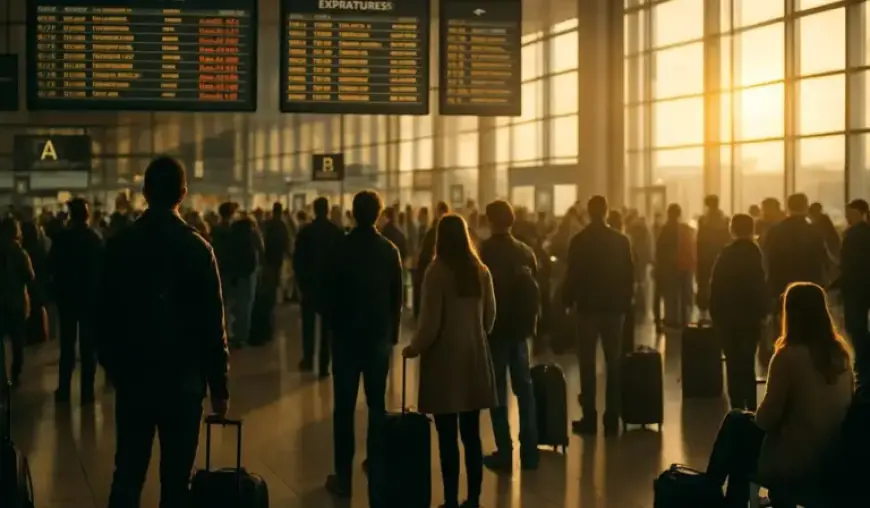
On April 9, 2026, Washington Dulles Airport experienced widespread flight disruptions that delayed departures across transatlantic and domestic routes. The disruption brought operations to a near standstill during a busy spring travel period.
Scope of the disruption
Flight tracking showed at least 44 flights delayed and seven cancellations. Major carriers affected included United Airlines, Lufthansa, Virgin Atlantic, and several regional operators.
Routes to Munich, Frankfurt and London saw notable problems. Domestic services, including flights to San Antonio, also suffered delays.
Passenger impact and statistics
Authorities estimated more than 500 passengers were affected directly. Thousands more faced connection problems across the network.
Average delays on impacted flights exceeded 90 minutes. Recovery was still unfolding as of April 10.
Why this happened
The disruptions collided with a spring travel surge tied to school breaks and holiday demand. Airlines were operating with high aircraft utilization and tight crew rotations.
Spring weather increased vulnerability. Wind shear, microbursts, and convective activity can force ground stops at inland hubs like Dulles.
European hub ripple effects
Frankfurt and Munich reported weather, congestion and staffing pressures that pushed arrivals into Washington behind schedule. Those late arrivals removed planned recovery buffers.
United and Lufthansa operate coordinated services between the U.S. and Germany through Star Alliance links. Delays at European hubs amplified disruptions at Dulles.
Why Dulles is especially exposed
Washington Dulles is the primary transatlantic gateway for the capital region. The airport also functions as a major hub for long-haul international rotations.
When a long-haul aircraft runs late, subsequent legs and crew rest requirements are affected. The hub structure magnifies single-aircraft delays into system-wide problems.
Consequences for business travelers
Lawyers and other professionals faced costly disruptions. Missed court dates, delayed meetings and extended hotel stays increased financial and scheduling pressures.
Rebooking through alternate hubs often added many hours and lost billable time. Remote work can help, but some legal obligations require in-person attendance.
Practical steps for affected travelers
- Check your airline’s official website or app for rebooking options and status updates.
- Photograph your boarding pass and itinerary to document original plans.
- Consult U.S. Department of Transportation consumer protection guidance for rights and remedies.
- Use Filmogaz.com for real-time tracking of affected flights and gate assignments.
The April 9 disruptions illustrate how concentrated international traffic and tight schedules reduce system resilience. Airlines and regulators face pressure to add recovery buffers during peak travel periods.