




















Trump Official Claims Pope Leo Military Acts Unrestrained, Report Reveals

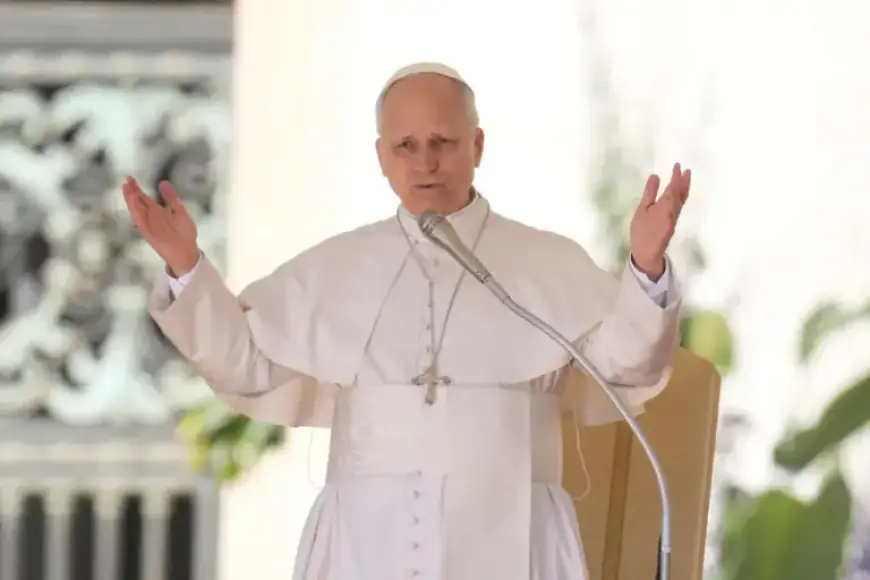
A recent report reveals significant tensions between the Trump administration and the Vatican concerning U.S. military policy and diplomatic relations. This friction arose after a speech by Pope Leo XIV, which criticized the use of force and advocated for diplomacy.
Meeting Between U.S. Officials and the Vatican
In January, Cardinal Christophe Pierre, then the Vatican’s ambassador to the United States, was summoned to the Pentagon by Elbridge Colby, the Under Secretary of War for Policy. This meeting marked an unusual and contentious episode between U.S. military officials and the Holy See.
Sources familiar with the discussions indicated that the meeting turned confrontational. Pentagon officials reportedly expressed strong disapproval of Pope Leo XIV’s message. They interpreted his speech as an antagonistic response to President Trump’s policies.
Concerns Over Military Power
- Pentagon representatives warned that the U.S. possesses the military capability to act unilaterally.
- They advised the Church to align with American foreign policy.
- At one point, an official referenced the Avignon Papacy, highlighting historical connections between military strength and papal authority.
The Pentagon later issued a statement disputing the characterization of the meeting, describing it instead as a respectful dialogue. They emphasized their commitment to maintaining relations with the Vatican and fostering ongoing conversations.
Declining Vatican Relations
The relationship between the U.S. and the Vatican had been deteriorating, particularly following the invitation extended to Pope Leo XIV by Vice President J.D. Vance for America’s 250th anniversary celebration. The Vatican’s RSVP was delayed due to disagreements over U.S. immigration policies and internal conflict among American bishops.
Ultimately, the Vatican has chosen to decline the invitation for the anniversary celebration, with reports indicating that the Pope is expected to visit Lampedusa, Italy, on July 4, 2026. This decision carries symbolic weight, as Lampedusa is a major entry point for North African migrants striving to reach Europe.
A Vatican official candidly stated that a visit by the Pope to the United States during the current administration seems unlikely. This ongoing diplomatic rift reflects broader issues of alignment between U.S. foreign policy and the Catholic Church’s stance on global humanitarian concerns.