

























Evidence Unveils False Arguments Against Ostrich Cull in B.C.

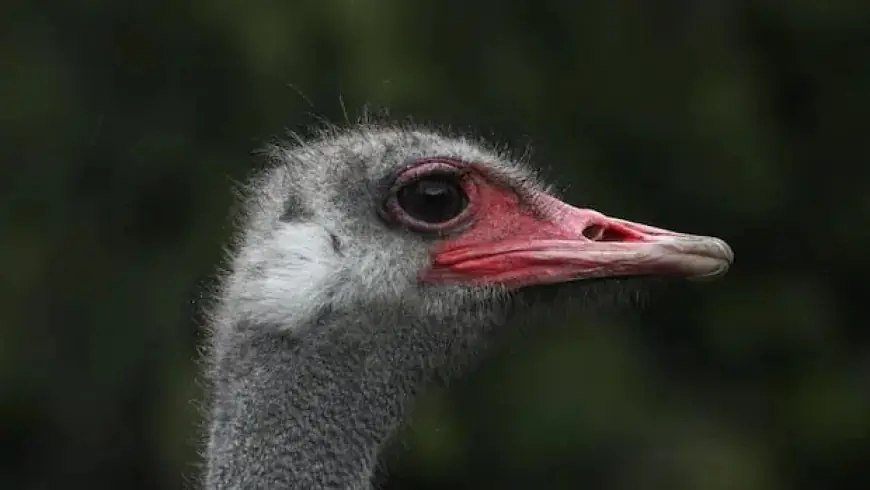
The recent controversy surrounding the culling of ostriches in British Columbia has been marked by significant legal battles and widespread public debate. Universal Ostrich Farms, located in Edgewood, fought against a government-ordered cull due to an avian flu outbreak that affected its flock of nearly 400 ostriches. This incident has raised crucial questions about animal health policies and the intersection of science and business.
Background of the Ostrich Cull in B.C.
In late December 2024, the Canadian Food Inspection Agency (CFIA) discovered a highly pathogenic H5N1 strain in the birds at Universal Ostrich Farms. Consequently, by mid-January 2025, the death toll of the infected birds rose to 69.
Legal and Public Response
The farm’s owners, Karen Espersen and Dave Bilinski, contested the CFIA’s decision, claiming their ostriches had developed herd immunity to the virus. They launched a legal case that escalated, eventually reaching the Supreme Court of Canada. The cull was delayed until November 6, 2025, which sparked significant public interest and support from various groups.
- Over $330,000 raised through public crowdfunding campaigns.
- Support from anti-government protesters and animal rights activists.
- Claims of potential breakthroughs in antibody research using ostrich eggs.
Claims and Controversies
Universal Ostrich Farms stated that their research could lead to treatments for various ailments, including obesity and baldness. However, investigations revealed that many of these claims were either exaggerated or unfounded. Expert evaluations, including insights from Angela Rasmussen, a virologist, criticized the farm’s assertions as lacking scientific credibility.
Financial Discrepancies and Legal Issues
Legal documents filed by the farm hinted at unrealistic financial expectations, with a projected revenue of $2.2 billion by 2029. Yet, key individuals cited in support of their business—including Dr. Alessio Fasano—denied any affiliation, raising further questions about the farm’s legitimacy.
| Claim | Status |
|---|---|
| Unique antibodies from ostriches could help treat diseases | Disputed by experts |
| Claimed affiliation with prominent scientists | Denied |
| Projected revenue of $2.2 billion by 2029 | Unrealistic according to professionals |
Public and Expert Reactions
Experts stressed the public health risks associated with delaying the cull. The prolonged presence of the virus raised concerns about its potential to mutate and infect humans. The CFIA reported the financial burden of the cull on taxpayers, amounting to nearly $7 million, making it one of the most expensive animal culls in Canadian history.
As the situation continues to unfold, the discussion around the culling of ostriches in British Columbia serves as a pivotal case study in animal health policy, public health safety, and the responsibility of corporations to substantiate their claims with proper scientific research. The implications extend beyond just the farm and its ostriches, highlighting the urgent need for effective regulations in animal agriculture and related scientific fields.