

























Bank Predicts $50K Impact on Homes; Builders Dispute Estimate

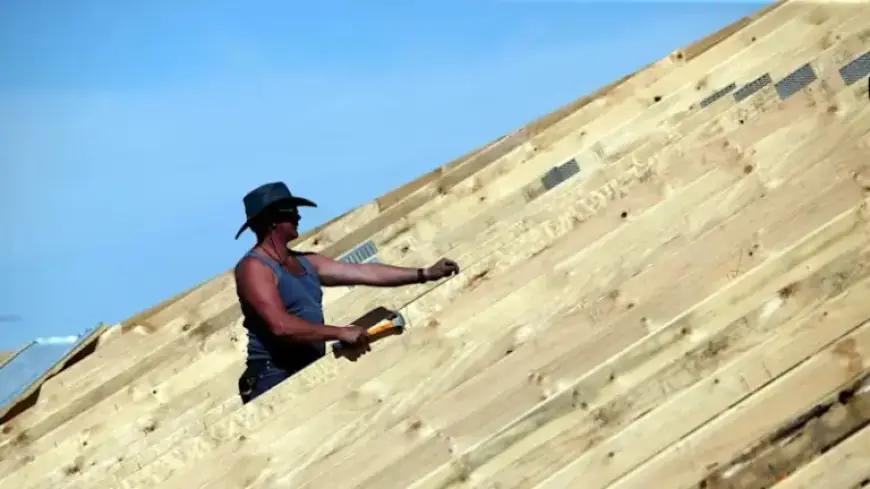
The ongoing conflict in Iran is predicted to significantly increase the costs of new suburban home construction. A report by Westpac indicates that building expenses may rise by 10% or approximately $50,000. This rise is linked to pressures placed on building suppliers, who are beginning to increase their prices in response to wider economic impacts.
Impact of Rising Oil Prices
The price of oil remains around $97 per barrel, which has led to a nearly 50% increase in the cost of petrol and diesel since early March. This surge affects various sectors, notably transportation and construction, as businesses begin to implement fuel levies on average consumer goods.
Discrepancies in Cost Estimates
According to Westpac’s senior economist Justin Smirk, some construction materials have seen a price increase of up to 16%. In contrast, the Housing Industry Association (HIA) refutes the larger estimate, claiming that typical new home price increases are only between $3,000 and $4,000.
Inflation Forecasts
Smirk anticipates that inflation may spike to approximately 6% next month, then gradually ease to around 4.7% by the holiday season. He warns that the ongoing situation in the Strait of Hormuz could exacerbate these inflationary trends.
Consumer Price Index Concerns
Commonwealth Bank senior economist Ryan Felsman noted that the Melbourne Institute measured a record 1.3% inflation increase in March. He believes that protracted closure of the Strait of Hormuz could trigger further widespread price hikes across various sectors, necessitating aggressive monetary policy adjustments by the Reserve Bank.
Market Reactions and Future Outlook
HIA chief economist Tim Reardon highlights that while fuel levies are impacting construction costs, interest in home buying remains robust. Despite recent rate hikes, the market is still alive with potential buyers.
- Federal Budget Predictions: Treasurer Jim Chalmers is set to announce budget updates on May 12, which may involve changes to capital gains tax and negative gearing.
- Impact on Builders: Many Master Builders NSW members hold fixed-price contracts. They risk absorbing the costs from inflation brought about by the conflict.
Matthew Pollock, executive director of Master Builders NSW, warned that the timing of these inflationary pressures is particularly detrimental to the construction sector. He notes the already challenging regulatory environment is amplifying the sector’s difficulties, leading to delays and financial strain on projects.