























Kevin Warsh's Narrow Window: Why Risks and Resistance Are Shrinking the Case for Rate Cuts

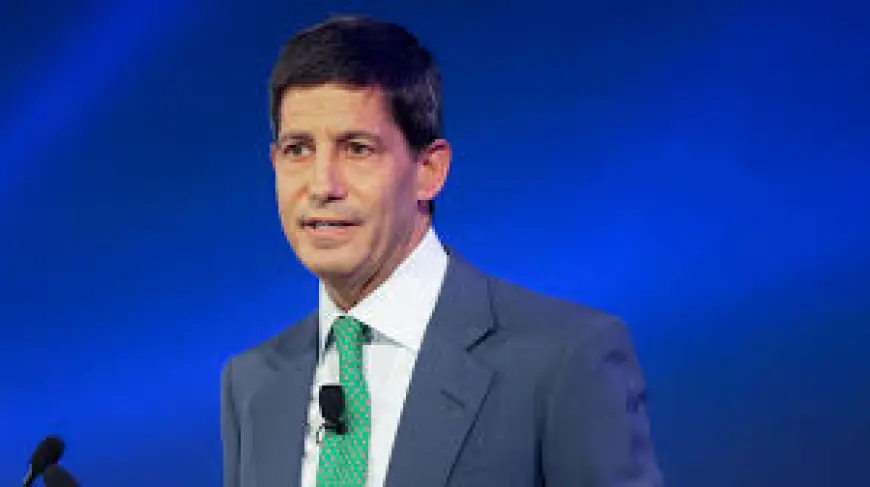
Why this matters now: kevin warsh is confronting a crowded set of headwinds before he reaches the Fed chair role—elevated inflation, signs of a stabilizing labor market, a recent sharp oil-price spike and skepticism from fellow policymakers—any of which could choke off the fast, steep rate cuts some in the White House expect. That friction is already shaping the debate inside the central bank and in the Senate confirmation corridor.
Kevin Warsh and the risk calculus: where uncertainty lives
Here’s the part that matters: the central obstacle for any incoming chairman will be aligning colleagues around a plan to cut rates quickly. Most Fed officials see limited reason to rush reductions because inflation remains elevated and the labor market shows signs of stabilizing. Complicating that judgment is a near‑term shock to energy prices—described as the biggest surge in four years tied to renewed conflict in the Middle East—which can add upside pressure on inflation and undercut arguments for prompt easing.
- Policymakers recently held rates steady after three consecutive cuts used to close out 2025, citing labor‑market improvements and sticky inflation still nearly a percentage point above the 2% goal.
- Some regional leaders expect a period of holding policy steady. One voting official described expectations that rates will remain on hold for “some time. ”
- Several officials have also flagged the possibility of rate increases again if inflation fails to return to target.
- Traders pared bets for more than one quarter‑point cut this year after oil surged nearly 20%, reducing market confidence in a rapid easing cycle.
It’s easy to overlook, but this is as much about internal vote math as it is about headline targets: an incoming chair who cannot persuade colleagues risks promising cuts that simply won’t pass muster at FOMC meetings.
Embedded details shaping the fight (not a play-by-play)
Several officials have expressed skepticism about the policy framework the prospective chair favors: a vision that leans on an anticipated technology-driven low‑inflation boom and a pledge to shrink the Fed’s balance sheet. That intellectual gap with colleagues matters because the chair’s job includes building a convincing economic narrative that wins votes and consensus.
Political dynamics are already part of the picture. The confirmation process could face opposition from Republicans displeased over an ongoing Department of Justice inquiry into the current Fed leader, whose term ends in May. That opposition, combined with dissent among Fed officials, raises the odds that bold, early cuts would meet heavy resistance—potentially creating a direct flash point with the White House if expectations diverge.
After lowering rates at three consecutive meetings to close out 2025, policymakers paused in January, encouraged by a subsequent jobs report that reinforced the view of a stabilizing labor market. Even officials who have pushed for modest easing have acknowledged new data could justify another hold when officials meet on March 17–18. Those meetings, and the minutes from January, show debate remains live over whether rates should be eased further or potentially raised again if inflation proves persistent.
The real question now is whether an incoming chair can convert a policy preference into majority support amid these cross‑currents. kevin warsh will likely have to marshal both empirical shifts in inflation and labor data and persuasive arguments inside the Fed to make that case.
- Consensus signals will be revealed in upcoming policy minutes and the March meeting outcomes.
- Energy price trajectories will materially affect inflation readings and the pace of any easing.
- Senate opposition could limit the political capital available to press for rapid cuts.
What to expect in practice: the combination of sticky inflation, a firmer labor market, recent oil‑price moves and internal skepticism narrows the pathway for fast, multiple cuts. If inflation trends downward and labor slackens, the chair’s bargaining position improves; absent that, the institution is likelier to hold or even contemplate hikes again.
It’s an unusual transition: the nominee faces macroeconomic and political constraints before he formally takes the job. The dynamics sketched here set up a test of whether the incoming leader can reshape both the data story and the Fed’s vote math in short order.