

























Bbc News: Strikes Near US Fifth Fleet Base in Bahrain Expose Regional Air-defence Shortfalls

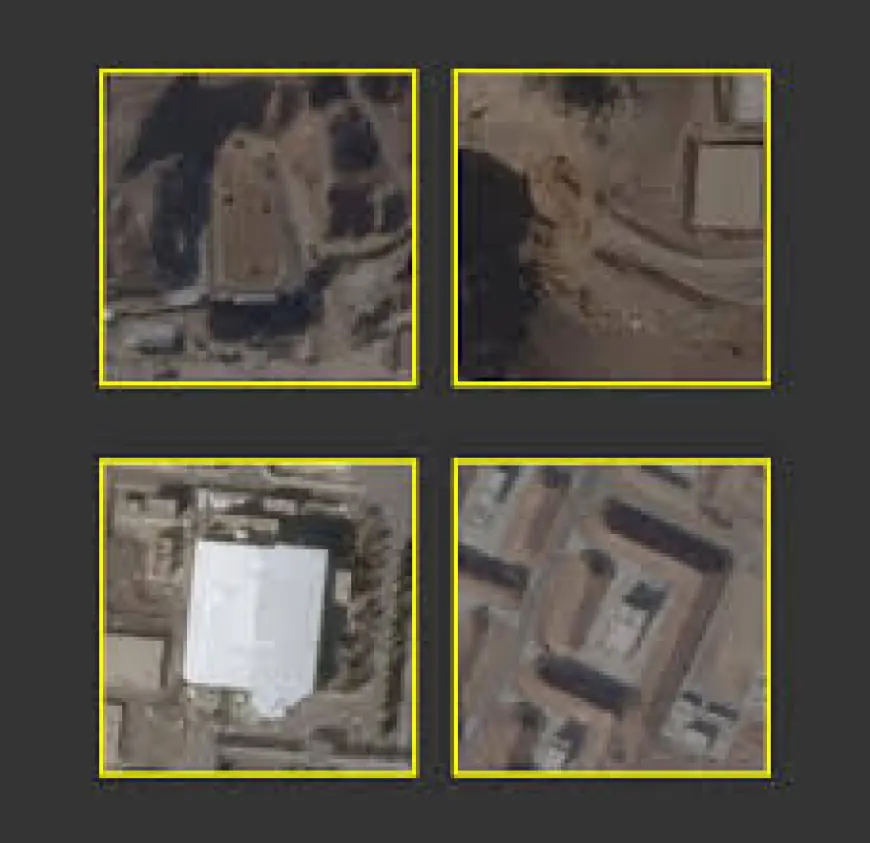
Videos circulating in recent coverage show missiles and drones striking the vicinity of the US Fifth Fleet headquarters in Bahrain, an attack that has put fresh focus on gaps in regional air defences. The footage matters now because it follows a wave of US and Israeli strikes on Iran and apparent Iranian retaliatory strikes, and because officials have so far reported no casualties.
Bahrain: Videos Show Missiles and Drones Striking Near US Fifth Fleet Headquarters
The images appear to show a relatively slow-moving Shahed drone and other munitions breaching defences close to the US Navy base in Bahrain. The strike follows a period in which US and Israeli strikes hit Iran, including damage to the Supreme Leader's compound and subsequent Iranian retaliatory strikes. At present there are no reports of casualties, and the US military likely had some warning of the attack and took precautions to evacuate personnel.
Tom Sharpe: Past Air-defence Gaps Made Bahrain a High-profile Target
Tom Sharpe, a former Royal Navy Commander, says Iran likely viewed Bahrain as a high-profile target that historically had relatively little in the way of air defences. The video evidence of a Shahed breaching a perimeter underscores that assessment, and Sharpe’s view frames why Washington and its regional partners are troubled by the strike.
Shahed Drones and the Ukraine Comparison
The drone in the footage resembles Iranian Shahed models that have been used elsewhere; such slow-moving drones can often be shot down in Ukraine with a simple high-calibre machine-gun. That contrast raises immediate questions about the tools and tactics required to stop similar threats in the Gulf.
US Air-defence Assets: THAAD, Patriots, Destroyers and Fighters
Over the past few weeks the US has flown additional air-defence systems to the region, including THAAD and Patriot systems that can engage ballistic missiles. Those systems are expensive and limited in number. For context, Ukraine has fewer than 10 Patriot batteries and still struggles to defend Kyiv. The US has also deployed around a dozen Arleigh Burke-class destroyers to the Gulf and the eastern Mediterranean; those destroyers can shoot down drones and ballistic missiles and have proven effective in the Red Sea against Iranian-backed Houthi rebels in Yemen.
Operational Tempo: Jets, Intercepts and Remaining Vulnerabilities
US fighter jets sent to the region are also capable of intercepting drones and missiles, and the US now has more than 100 jets in the area. Between 2024 and 2026, US forces intercepted nearly 400 Houthi drones and missiles, a tally that demonstrates capability but also sustained pressure. Even with destroyers, THAAD and Patriot batteries, and a large fighter presence, it remains unlikely the US has sufficient numbers to protect all its military bases and interests in the Middle East; those resource limits mean Iran could still successfully strike some targets.
Iran’s Arsenal: Ballistic Missiles and One-way Attack Drones
Before the latest US and Israeli strikes, Iran probably retained an arsenal of around 2, 000 short-range ballistic missiles and many more one-way attack drones. That inventory size helps explain the persistent challenge for US and allied defences across a broad theatre of operations.
Site Prompts and Technical Warnings for Readers
Separately, some web pages related to this coverage present a prompt asking users to click a box to confirm they are not a robot. Those pages advise that browsers must support JavaScript and cookies and that users should not block them from loading. For further details the pages point readers to review Terms of Service and the Cookie Policy and suggest contacting a support team while providing a reference ID for inquiries. The same pages also promote a subscription for global markets news.
What makes this notable is how the strike footage, the resource counts and the history of interceptions together map a clear cause-and-effect chain: a sizeable Iranian inventory and persistent use of one-way drones and missiles has driven the US to deploy limited, costly defences, and those constraints create windows in which strikes can succeed. Coverage by news and other outlets has underscored that the balance between available defensive systems and the scale of the threat is central to how Washington and its allies will manage future escalations.