























Strawberry Festival 2026 Season Arrives, With Bigger Crowds, Higher Costs, and a Growing Tug-of-War Over What These Events Are For

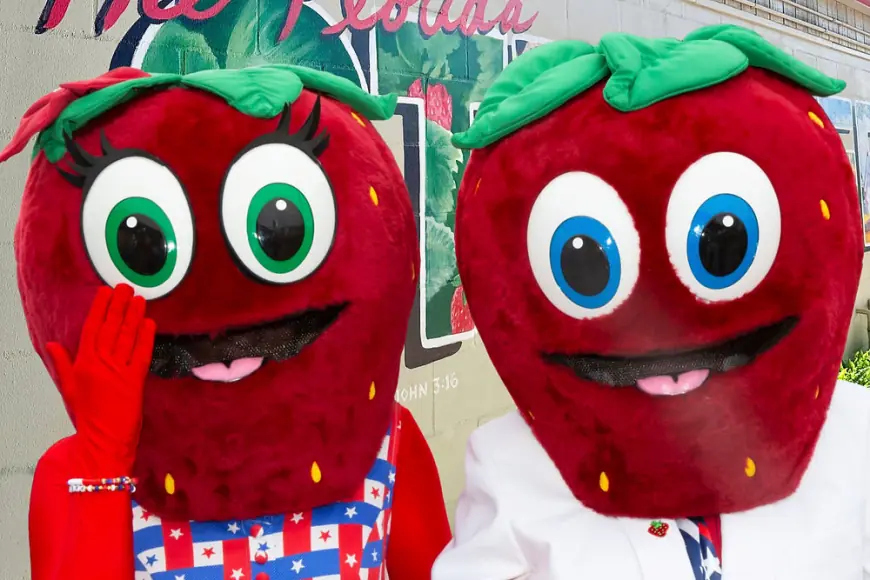
The strawberry festival season is no longer a single weekend of shortcake and crafts. By Sunday, March 1, 2026, it has become a rolling circuit of multi-day fairs that blend agriculture promotion, pop concerts, small-business vending, and the kind of family entertainment that pulls in hundreds of thousands of people—often in towns that spend the rest of the year far from the tourist map.
Nowhere is that clearer than in Plant City, Florida, where the Florida Strawberry Festival is already underway, running from February 26 through March 8, 2026. For the local economy, the calendar matters as much as the berries: late February and early March can be a sweet spot for winter strawberries and for travelers looking for a warm-weather outing before spring-break pricing takes over. For vendors and growers, the timing is also a hedge against uncertainty—fuel, labor, and insurance costs have all been volatile, and booking demand early can be the difference between a profitable year and a stressful one.
What’s changed in recent years is the way these festivals are being run more like mid-sized entertainment businesses than civic celebrations. Gate admission, parking, and premium experiences have moved from afterthoughts to core revenue lines. Organizers are increasingly pushed to make the math work in an era when policing, traffic control, sanitation, and temporary staffing cost materially more than they did even a few seasons ago. That pressure shows up in familiar ways: tighter rules for vendors, more formal sponsorship packages, and a heavier reliance on headline entertainment to ensure attendance even if the weather turns.
That tilt toward “event economics” creates a delicate balancing act. The festivals trade on a brand story—local farms, regional identity, seasonal food—yet the draw for many visitors is the broader fairground experience: rides, music, and a day out. The more the festival becomes a general entertainment product, the more questions arise about who benefits. Growers and agricultural exhibitors want visibility and a direct connection to consumers. Food booths and crafts vendors want foot traffic and spending. Residents want manageable congestion and safe public spaces. Local governments want tax revenue and a boost for hotels, gas stations, and restaurants, without turning the town into a bottleneck.
The 2026 calendar suggests demand is still strong. In Texas, the Poteet Strawberry Festival is set for April 10–12, 2026, continuing a long tradition in a community that brands itself around the crop. In California, the California Strawberry Festival is scheduled for May 16–17, 2026, back at the Ventura County Fairgrounds—an event that has long positioned itself as both a food pilgrimage and a fundraiser. Smaller communities are also locking in dates well in advance, like a strawberry festival in Moulton, Alabama, set for May 1–2, 2026, where early announcements are less about hype than about practicalities: vendors, volunteers, and local sponsors need time to plan.
It isn’t just an American phenomenon. In India’s northeastern state of Meghalaya, the government-backed Strawberry Festival 2026 is being staged across multiple farming clusters, with dates spanning late February into early March. That kind of multi-location model highlights a different incentive structure—less about carnival rides and more about market access, agritourism, and persuading farmers that strawberries can be a viable cash crop. It’s also a sign of how strawberry cultivation, once heavily associated with a handful of regions, is being adapted to new microclimates and new consumer demand.
Back in the United States, the missing piece for many 2026 festivals is how far they can raise prices—explicitly or quietly—without changing the audience. Admission and parking fees are the most visible levers, but the real story is often in the add-ons: preferred viewing areas, bundled tickets, and vendor fee increases that get passed along in the cost of food. Festivals that were once a low-cost day out are testing what families will tolerate. That matters because crowd composition shapes everything from security planning to the kinds of merchants who can survive.
For 2026, the next steps will hinge on three triggers that are still playing out in real time:
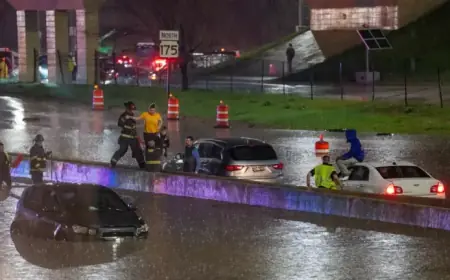
First, weather. A single weekend of heavy rain can swing revenues sharply, especially for events that rely on impulse attendance rather than pre-sold tickets.
Second, staffing and policing. If municipalities face shortages—or if overtime becomes politically contentious—festivals may be forced to cap attendance, change hours, or narrow perimeters.
Third, the strawberries themselves. Even when festivals are more “fair” than “farm,” the crop is still the marketing engine. If yields or quality take a hit, the food experience suffers and the branding starts to feel hollow.
The larger question hovering over strawberry festival 2026 is whether the format keeps widening into something closer to a traveling entertainment economy—or whether organizers pull back toward the agricultural roots that made these festivals distinctive in the first place. The crowds suggest people still want the ritual. The business realities suggest the ritual is being rebuilt, season by season, into something bigger—and not always simpler.