





















BAFTA Fallout Meets Awards-Season Momentum: John Davidson, Tourette Syndrome, “I Swear,” and the Delroy Lindo–Michael B Jordan Moment Driving a Wider Reckoning

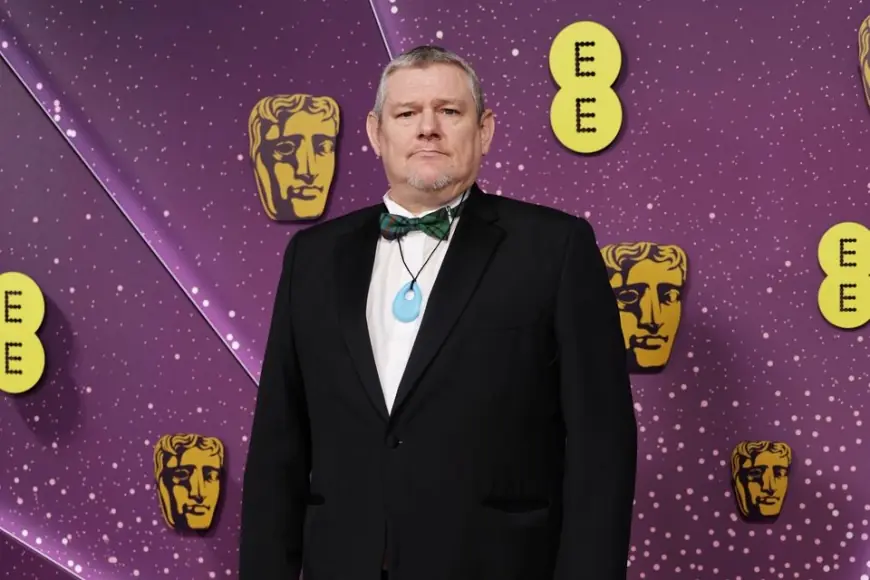
A week after the BAFTA Film Awards erupted into controversy, the story is still moving—because it’s no longer only about what happened onstage on February 22, 2026. It’s now about how the industry responds when disability, live television, and racial harm collide in a room built for celebration, not crisis management.
The immediate flashpoint was a live moment involving Tourette syndrome advocate John Davidson, who had been connected to the film “I Swear,” and a sudden verbal outburst that included a racial slur while Delroy Lindo and Michael B Jordan were presenting. In recent days, Lindo addressed the incident publicly at an awards ceremony in the U.S. on February 28, 2026, drawing a wave of support and re-centering the conversation on impact, accountability, and safeguards.
What happened at the BAFTAs and why “I Swear” sits at the center of it
At the BAFTA Film Awards on February 22, Davidson’s involuntary verbal tic occurred during a high-visibility segment onstage. Davidson later expressed remorse and apologized to those affected. The organization behind the ceremony also apologized and acknowledged the harm caused.
This didn’t unfold in a vacuum. “I Swear,” a film based on Davidson’s life and his experiences with Tourette syndrome, had become part of the awards-season conversation—turning a personal story into a public symbol. That magnified everything: the moment wasn’t just a disruption; it landed as a grim test of whether the industry can handle disability representation responsibly when the spotlight is hottest.
Robert Aramayo’s BAFTA win, and the pressure on a film that suddenly means more than itself
One reason the story has staying power is that “I Swear” is not a fringe title in this year’s BAFTA orbit. Robert Aramayo’s recognition for the role positioned the film as both an artistic achievement and a cultural talking point—exactly the kind of situation where a single live moment can reframe how audiences interpret a project.
That creates competing incentives:
-
Awards bodies want to honor work without turning ceremonies into minefields.
-
Filmmakers and performers want authentic disability representation without being reduced to a controversy.
-
Broadcasters want the “live” energy while minimizing reputational and legal exposure.
-
Advocacy communities want visibility, but not at the cost of harm being brushed aside.
Jayme Lawson and the “Sinners” cast: when a public incident hits a wider campaign
Jayme Lawson’s presence in the broader awards conversation matters because “Sinners” has been part of the same seasonal ecosystem—media, screenings, appearances, and networking that all cluster around major ceremonies. When something explosive happens in that ecosystem, it can drag in people who weren’t “in” the moment but are adjacent to it through projects, presenters, and shared red carpets.
This is where second-order effects start to show up:
-
Campaign messaging shifts from performance and craft to crisis response.
-
Talent teams tighten public schedules and talking points.
-
Studios and publicists re-check risk on live appearances, especially for presenters.
-
Disability representation conversations get pulled into “damage control” framing, which can drown out nuance.
Behind the headline: disability accommodation vs. live broadcast risk
The hard truth is that live award shows are built for spontaneity but managed like high-stakes corporate events. That tension is why this incident became a flashpoint.
Key stakeholders and leverage points:
-
Awards organizers control guest management, stage flow, and contingency planning.
-
Broadcasters control delay buffers, moderation tools, and standards enforcement.
-
Presenters and nominees carry reputational risk without controlling the production environment.
-
Advocacy groups can influence the long-term framing: education versus backlash.
The missing piece the public still doesn’t fully have is what specific planning existed for Davidson’s participation and what safeguards were in place to protect everyone in the room, including the people most likely to be harmed by an uncontrolled slur.
What happens next: realistic scenarios and triggers to watch
Here are plausible next steps, based on how institutions typically respond after highly public controversy:
-
Updated live-broadcast protocols
Trigger: internal reviews conclude that existing delay and moderation tools were inadequate. -
A formal disability-access and participation framework for ceremonies
Trigger: sustained pressure from advocates and industry guilds for standardized accommodations and risk planning. -
A quieter recalibration of presenter selections and live segments
Trigger: sponsors and partners become sensitive to unpredictable live moments and demand “safer” programming. -
A renewed push for education around Tourette syndrome that avoids minimizing racial harm
Trigger: backlash from either side intensifies and forces organizers to clarify values and boundaries. -
Ongoing reputational ripples for individuals and projects tied to the moment
Trigger: interviews, awards speeches, and campaign events keep reopening the story.
Why it matters beyond one night
Awards shows are cultural signal machines. When something goes wrong, the response becomes part of the signal—teaching audiences what the industry considers “unfortunate,” what it considers “harm,” and what it considers “acceptable risk.”
This is why Lindo’s remarks on February 28, 2026 carried weight: they pushed the conversation away from spectacle and toward consequence, while also underscoring that support for the people harmed should not be treated as optional or secondary. The real test now is whether the industry uses this moment to build better safeguards—or simply moves on until the next crisis forces the same reckoning again.