























Nicholas Braimbridge and Tony Cooper: The “Bridgerton” Season 4 Tribute That Turned Viewers’ Attention to the People Behind the Camera

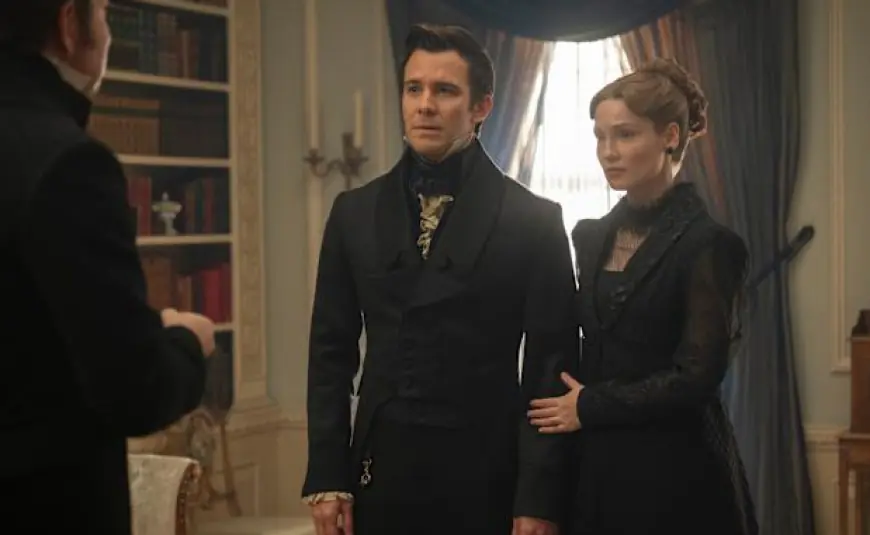
A brief title card at the end of “Bridgerton” Season 4 has become one of the most talked-about moments of the new episodes, not because of a plot twist, but because it pulled focus to two names many viewers had never heard before: Nicholas Braimbridge and Tony Cooper.
The tribute appeared in the Season 4 finale released on February 26, 2026 ET, reading as an in-memoriam dedication. Within hours, fans began asking who Braimbridge and Cooper were, what they contributed to the show, and why the production chose to spotlight them in the final moments before the credits.
Who Nicholas Braimbridge was, and why his work mattered to “Bridgerton”
Nicholas “Nick” Braimbridge worked as a scenic artist, a role that sits at the intersection of art, craft, and practical illusion. Scenic artists are responsible for the finishes that sell a world on screen: the aged wood that looks hand-rubbed, the marble that appears to have depth, the patina that convinces you a set has existed for decades rather than weeks.
For a show that relies heavily on heightened elegance and careful visual storytelling, that work is not decoration. It is narrative support. The look of the rooms, corridors, and ball spaces carries emotional cues: wealth, status, intimacy, secrecy. A scenic artist’s choices can quietly steer how an audience reads a character before a single line is spoken.
Braimbridge died in May 2025. Details of the cause of death have not been made public. People close to the production have described him as a beloved presence in the art department, and the Season 4 tribute suggests his impact was both professional and personal.
Who Tony Cooper was, and the invisible logistics that keep a set running
Tony Cooper served as a unit driver, one of the jobs that only gets attention when something goes wrong, which is exactly why it tends to be overlooked. Unit drivers are responsible for transporting cast, crew, and equipment reliably and safely. They keep schedules from collapsing, ensure people arrive on time, and handle the constant movement that a large production requires.
In practice, that means a unit driver can be the difference between a smooth day and a cascade of delays. It is a role built on trust: punctuality, discretion, calm under pressure, and an instinct for solving problems before they become crises.
Cooper’s date and cause of death have not been publicly detailed. The decision to include him in the finale tribute indicates he was a longstanding and valued part of the day-to-day engine of the production.
Behind the headline: why productions are putting crew tributes on screen more often
In-memoriam cards have become more common in recent years, and they’re rarely accidental. There are a few incentives at work:
Context and culture shift
Audiences have become more aware of how many people it takes to make a prestige series. As that awareness grows, productions have more reason to acknowledge that the “world” viewers love is built by craftspeople, drivers, assistants, and technicians.
Stakeholders and reputational risk
A show’s brand is now tied not just to its cast, but to its set culture. A visible tribute communicates that the production values its people, which matters to unions, future hires, and collaborators deciding where to work next.
Grief and community
Large sets become temporary communities. When someone dies, colleagues often want a public marker that says, simply, this person mattered here.
Second-order effects
These tributes can shift how viewers engage with the work. Instead of consuming the finale as pure escapism, some audiences finish the season thinking about labor, safety, and the fragility of the human infrastructure behind entertainment.
What we still don’t know, and what to watch next
There are missing pieces that remain private, and likely will stay that way:
-
The circumstances around Cooper’s passing have not been publicly shared.
-
The cause of Braimbridge’s death has not been publicly detailed.
-
It is not clear whether the production will add further acknowledgments in future seasons.
What happens next tends to follow a few realistic paths:
-
Increased attention to below-the-line credits as fans look up departments and roles after the finale, boosting recognition for crew work.
-
More public-facing remembrance from colleagues in the industry, especially if awards-season events or fan conventions highlight the show’s craftsmanship.
-
A broader conversation about working conditions and support systems on large productions, especially when tributes prompt audiences to ask what protections exist for crew.
Why it matters
For viewers, the tribute is a reminder that the most immersive on-screen worlds are built by people whose names rarely appear in headlines. For the industry, it’s a signal that recognition is expanding beyond stars and showrunners to include the workers who create the texture, motion, and reliability that make a sprawling production possible.
Nicholas Braimbridge and Tony Cooper were not part of the on-screen romance or the season’s cliffhangers. But the finale’s last message made a different point: the story audiences love was shaped, day after day, by hands and hearts that mattered to the people making it.